
The parts of the job
nobody writes down.
Practical writing for UK contractors on the paperwork that survives an inspection, the money that goes missing after practical completion, and why good site software goes unused by week three.

Written for UK contractors.
Short and correct rather than long and padded. Every claim about the platform in these pieces links to the module page where you can check it.
 Bespoke or off-the-shelf construction software: the third optionCommission a system and you pay again for foundations every contractor shares. Buy a package and the firm adapts to it. A third route starts from a working platform, and four questions test any vendor who claims it.Read it →
 Your firm's name on the staff app, not the vendor'sAn operative asked to install an app is being asked to trust it with a phone, a camera and a location. The name on the icon decides how that request lands.Read it →
 Changes after go-live, and how to ask for themA firm learns what it needs from its software after go-live, long after the contract decided what a change would cost. Configuration against development, the day-rate trap, and how to test and accept a change.Read it →
 The CDM documents, and what has to be in each oneCDM 2015 names four documents and says what each one has to contain. It says nothing about what they should look like, which is why there is no official template.Read it →
 Goods received notes, and why stock should arrive on an orderA delivery note proves a van turned up, not what was ordered, what was on the pallet, or what the supplier is about to charge. The goods received note is where those three are made to agree.Read it →
 Stock control for a contractor: the unit, the vans and the jobsMerchants count stock because stock is the business. Contractors rarely do, and pay in materials bought twice, fittings that never reached a job, and a year-end figure nobody believes.Read it →
 QR codes on construction sites, and what a scan is actually worthA QR code at the gate is cheap to print and easy to oversell. What a scan proves, where the posters go, and the four things that decide whether the record survives a dispute.Read it →
 Waste transfer notes, and the duty that follows the skipThe load leaves site and your responsibility does not. What the note has to record, how long you keep it, and the one number on it worth checking before the lorry moves.Read it →
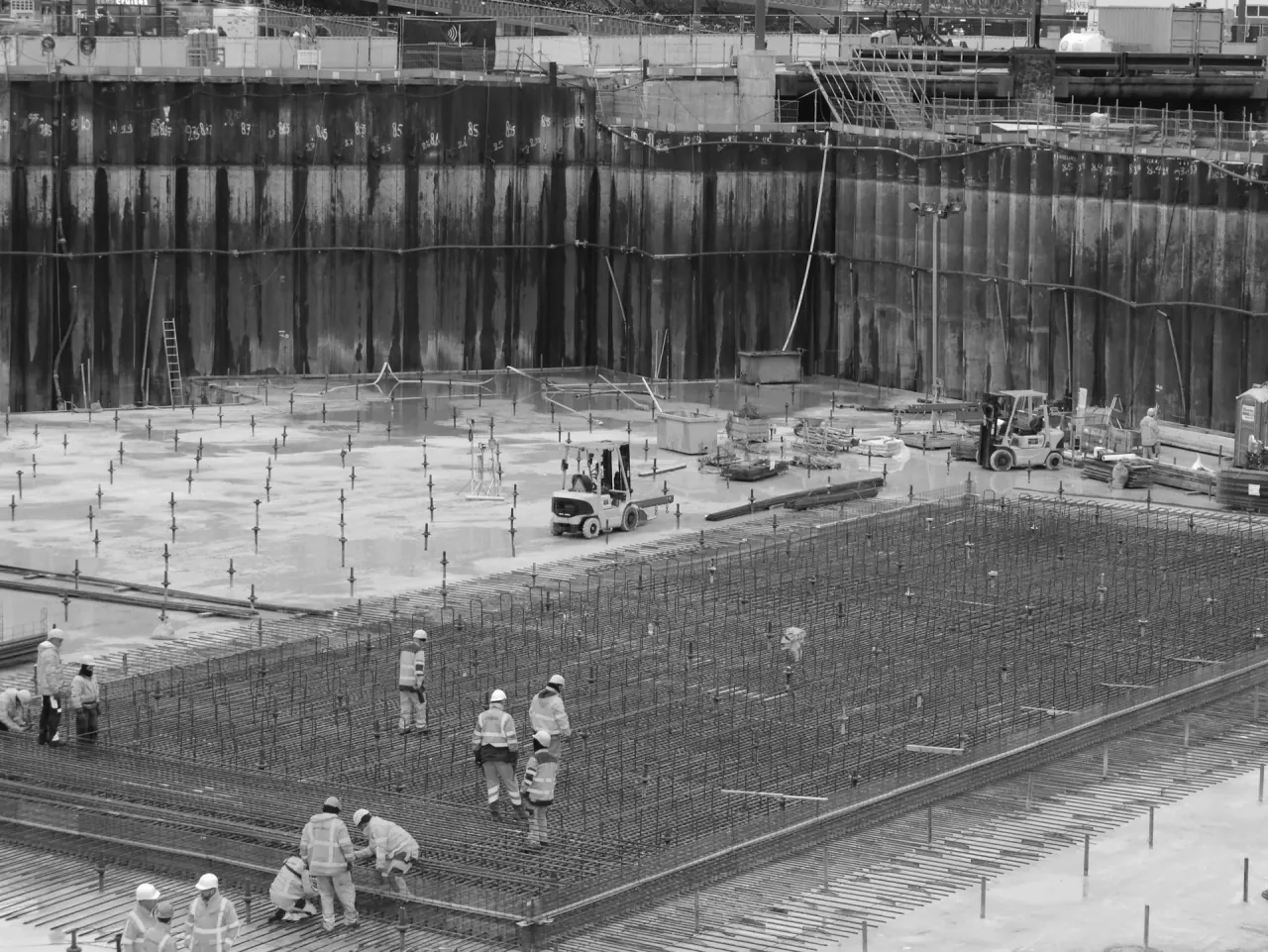 The temporary works register, and who signs the permit to loadPropping, formwork, edge protection and the excavation support nobody designed. What the register holds, what a check category means, and why the permit to load is the entry that matters.Read it →Snagging, and the list that decides when a job endsThe difference between a snag and a defect is who pays for it. How the list gets made, why it grows after handover, and what closes it out for good.Read it →The O&M manual, and why handover takes a fortnightEverything the building owner needs, in one file, assembled at the end from records made over a year. Why that is the wrong way round, and what it costs when the certificates cannot be found.Read it →
 Permits to work, and the six a site actually issuesHot work, confined space, work at height, isolation, excavation and access. What a permit is for, who may sign one, and why the time it was raised matters more than the form it was raised on.Read it →
 LOLER, and the clock on every lifting accessorySix months for anything that lifts people, twelve for everything else, and a report that has to exist before the next lift. What thorough examination means, and what it is not.Read it →
 Self-billing, and who raises the invoiceYou value the work, you write the invoice, and your subcontractor never sends one. What HMRC requires before you can do that, and what it fixes about subcontract payment.Read it →Site induction, and what has to be on record before anybody startsThe half hour that decides whether you can prove competence a year later. What an induction has to cover, what to capture while the person is in front of you, and why agency labour is where it breaks.Read it →
 Support is the part you cannot see in a demoIt is scored last on most selection matrices, it is the only criterion you cannot test before signing, and it is what decides whether anybody is still using the system in week three.Read it →Why there is no price list, and how to judge a quote without oneA rate card looks like transparency, and for plenty of products it is. For software that has to fit a five-person firm and a hundred-person one, a single published figure is a decision about which of the two it was written for.Read it →Site welfare, and what Schedule 2 actually requiresToilets, washing, drinking water, somewhere to change and somewhere to sit down. The list is short, it is legally specific, and "so far as is reasonably practicable" does not apply to most of it.Read it →
 Temporary electrical supply, and the paperwork behind itWhy site power runs at 110 volts, what has to be inspected every three months, and why the isolation permit is the document that decides whether anybody is allowed to work on it.Read it →
 What a temporary water supply on site actually costsThe cost splits three ways, and only one of the three is the water. The connection is quoted, the consumption is metered, and the compliance is the part that gets left out of the price.Read it →The contractor above you has gone into administrationWhat to do in the first seven days, where you rank, and the three things worth securing before anybody tells you to stop.Read it →
 Warning signs the firm above you is in troubleThe accounts tell you eighteen months late. What tells you now is behaviour: valuations shaved without explanation, payment slipping a week at a time, and the commercial team turning over.Read it →Getting gross payment status, and keeping itThree tests, and the one that catches firms out is the compliance test, which now looks at VAT as well. The turnover thresholds, the tolerances HMRC actually allows, and what puts the status at risk.Read it →
 Verifying a subcontractor with HMRCThe step that decides the rate you deduct at, and the one firms do after paying rather than before. What verification returns, how long it lasts, and who carries the cost of getting it wrong.Read it →
 What an employee actually costs youSalary is about four fifths of it. Employer National Insurance at 15% above a £5,000 threshold, the pension, and the on-costs of putting somebody on a site make up the rest.Read it →Subcontractor or employee, and why HMRC may disagreePaying somebody through CIS does not make them self-employed. The tests that decide it, the arrangements that fail them, and the declaration you sign every month saying you have considered it.Read it →Why you cannot find reliable subbiesIt is treated as a hiring problem and it is a retention problem. The firms that get the good trades are the ones that are straightforward to work for.Read it →Knowing what plant you own and where it isThe losses are quiet: kit that walks between sites, kit hired because nobody could find the one you have, and kit written off that is still in a container.Read it →
 Off-hire, and the charges that keep runningHire runs until the item is off-hired, not until you finish with it. A preventable loss that every contractor recognises and almost nobody has a process for.Read it →
 Gateway 2, and what it does to a programmeApproval has to be granted before construction starts, and the wait has improved sharply: a median of 22 weeks at June 2026 against 43 a year earlier. What that means if you are not the applicant.Read it →Bidding for public sector work for the first timeThe Procurement Act 2023 changed how this works in February 2025, and one requirement is absolute: register on the Central Digital Platform or you cannot be awarded a contract at all.Read it →
 Where the office hours actually goNot in the work. In assembling positions from four places, retyping what site already recorded, and chasing paperwork that exists but cannot be found. How to measure your own before deciding anything.Read it →How to price a construction job without guessingA method rather than a feeling: measure, build the rate, add the site costs that carry the job, recover overhead, then decide margin. The order matters.Read it →How to tell whether you are underpricingYou will not find it in the jobs that went wrong, but in the ones that went fine and returned less than they should. A test you can run in an afternoon.Read it →Day rate or fixed price, and when each one costs youNot a preference. A decision about who carries the risk of the unknown, and there is a right answer for most jobs once you are honest about what you do not know.Read it →Materials went up after you quotedThe average tells you nothing. Structural steel rose 13.1% in the year to May 2026 while cement fell 5.0%. A quote is only exposed to what it is built from.Read it →Preliminaries, the cost most firms forget to priceEverything that makes the job possible and appears on no drawing: supervision, welfare, access, plant standing, insurance, and the time before and after. Why it gets under-priced and how to stop.Read it →Getting on a main contractor's approved listThe application is the easy half. What decides it is the evidence pack behind it, and what gets a firm quietly dropped afterwards is rarely the work.Read it →SSIP, CHAS, Constructionline and what replaced PAS 91An acronym map with the money attached. Which schemes are health and safety only, which are full pre-qualification, what mutual recognition actually saves you, and why PAS 91 is no longer the answer.Read it →What counts as construction work under CISThe included list is wider than most firms assume and the excluded list catches out exactly the trades that read it. Plus the mixed contract rule, which decides more cases than either list.Read it →CIS monthly returns, the date and the penaltiesThe nineteenth, every month, whether or not you paid anybody. What the penalty ladder actually looks like, and the declaration on the return that carries more weight than the figures.Read it →End user statements, and what they switch offIt has to be in writing, it comes from your customer rather than from you, and without it the reverse charge applies by default. What the statement says and where it belongs.Read it →The certificates that expire without anybody noticingInsurance, cards, plant inspections, training and first aid all run out on different dates, and nothing about your file changes on the day one of them does. What has to watch them.Read it →When an HSE inspector turns up on siteWhat they can do, what they ask to see and in what order, what a Notification of Contravention means, and what the visit can cost you at £188 an hour.Read it →
 RIDDOR, what has to be reported and by whenThree different clocks run on three different categories, and the one firms miss is the fifteen days, which counts from the accident rather than from the day you realised.Read it →When a job becomes notifiable, and who tells the HSETwo thresholds, either of which triggers it, and a duty that sits with the client rather than with you. How to work out whether your job crosses them.Read it →Which CSCS card, and who actually checks itSeven colours, different qualifications behind each, and a five year clock on most of them. What each card is for, and why it is not a legal requirement but still stops you at the gate.Read it →Why WhatsApp fails as a site recordIt is the system most sites actually run on, and it works right up until somebody asks a question about March. Six specific failures, and the one that arrives when a person leaves.Read it →Where spreadsheet job costing breaksNot when it gets complicated. When two people open it, when committed cost is not in it, and when the true position is a week old by the time anybody has assembled it.Read it →Choosing construction management software, and what to actually compareEvery product demos well. A buyer's checklist written to be useful even if you buy from somebody else, including the five questions vendors answer badly.Read it →Xero for contractors, and where the accounts package stopsIt handles CIS properly and it is a good ledger. What it is not built to hold is the job: the measured schedule, the valuation, the retention and committed cost.Read it →Document control, and the revision everybody was working toBuilding to a superseded drawing is expensive, common, and almost never anybody being careless. What has to be true for the right revision to reach the person holding the tool.Read it →An application for payment that does not come back rejectedFour reasons account for most rejections, and none of them is the price. What the document has to contain, what has to sit behind it, and the date that matters more than the total.Read it →Getting paid for variations you were told to get on withThe entitlement is rarely the problem. The evidence is. What stands up when the instruction was verbal, and the one email that changes the argument.Read it →When a missing notice hands you the moneyAn adjudication that asks nothing about what the work was worth, only whether the notices were served. What it wins, and the second adjudication that usually follows it.Read it →Stopping work for non-payment, without breaching your contractA statutory right with narrow conditions and real leverage. What has to be true before you can use it, what the notice must say, and what walking off without one costs.Read it →Charging interest on a late payment, and the sums nobody claimsStatutory interest runs at eight per cent above base, and a fixed compensation sum sits on top of it that almost nobody asks for. Both are automatic entitlements rather than favours.Read it →What the Construction Act actually gives youSix rights that apply whether or not your contract mentions them, and whether or not anything was ever signed. What each one is, and how far it reaches.Read it →Vetting a subcontractor before you instruct themNine checks, what each one is actually protecting you from, and the two that firms skip and then discover matter. Most of it is twenty minutes and free.Read it →Credit checking the firm above you, free, in twenty minutesEverything you need is public and none of it costs anything. Filing history, charges, director record, county court judgments, and the payment data large firms must publish.Read it →Quote or estimate, and which one binds youOne becomes a fixed price the moment it is accepted. The other is an informed guess. The word at the top of the page is not what decides which you sent.Read it →When you become the principal contractor, and when you do notA second contractor on the job is what triggers the appointment, whatever the size of the firm. Who holds the duties when nobody is appointed in writing, and what lands on you when you are.Read it →What construction software actually costsThe monthly figure is the part everyone compares and the smallest part of the bill. Setup, migration, the annual uplift, and the licences you ration because they are charged per person.Read it →The VAT reverse charge, and who accounts for the VATFive years in and it still catches firms out on every second invoice. When it applies, when it does not, the written statement that switches it off, and the wording your invoice has to carry.Read it →Reclaiming CIS deductions, and the money sitting with HMRCA limited company gets its deductions back through payroll rather than its Corporation Tax return, and only if somebody files the right submission every month.Read it →The gap between doing the work and having the moneyWages go out weekly, materials at thirty days, and the money comes back at sixty. Why a job that made a profit can still run a firm out of cash.Read it →When the contractor above you will not payThe remedies run in a fixed order and each one costs more than the last. What to do first, what every step is worth, and the rung most disputes never get past.Read it →Pay less notices, and the timetable behind themFour dates govern every interim payment in UK construction, and statute sets them rather than goodwill. What each one is, and what a late notice costs.Read it →Pay when paid, and why it does not bind youMaking your money conditional on somebody else being paid has been ineffective in UK construction since 1998. The clause is still written, and still quoted down the phone.Read it →
 RAMS that hold upWhat an inspector is actually looking for in a risk assessment and method statement, and the difference between a document that exists and one that is doing its job.Read it →
 Retention, and the money that goes missing after practical completionWhere cash quietly disappears between the last valuation and the release of the second half of retention, and the four dates that decide whether you ever see it.Read it →
 Why field rollouts stall in week threeMost site software is not rejected. It is quietly outlived by the paper route nobody switched off. What the firms that got it to stick did differently.Read it →
Start with a subject.
Ten collections, each one gathering the articles on a single part of the job. Useful if you arrived with a problem rather than a reading list.
All subjects
Guides and tools.
Longer reference pieces that get updated rather than replaced,
and one interactive checklist you can work through on a live project.
What we are writing next.
These are the subjects contractors have asked us to cover. If one of them would be useful to you, say so and we will send it to you when it publishes.
- 01Permits to work
- Hot work, confined space entry, work at height and lone working. When a permit is the right control, and when it is paperwork for its own sake.
- 02The insurance that lapsed
- What actually happens when a subcontractor's public liability cover expires mid-project, who carries the exposure, and why the renewal date belongs on the order rather than in somebody's calendar.
- 03Variations, and the ones that never got instructed
- The difference between a variation you can value and a favour you did in week four, and the record that decides which one it turns out to have been.
- 04What a QS actually needs from site
- Written from the commercial side of the wall: the four things that, if they arrived reliably, would remove most of the friction between the office and the job.