









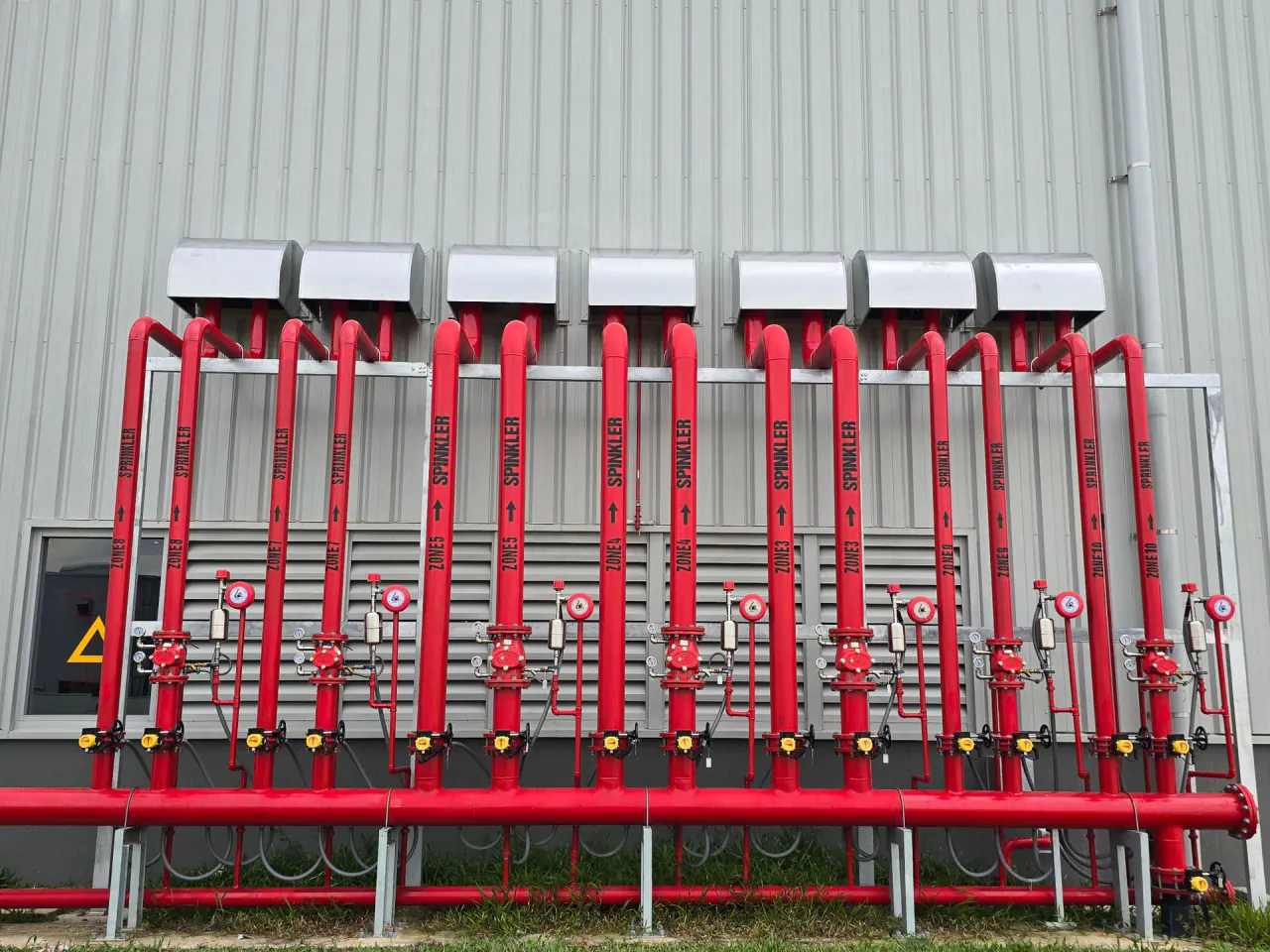

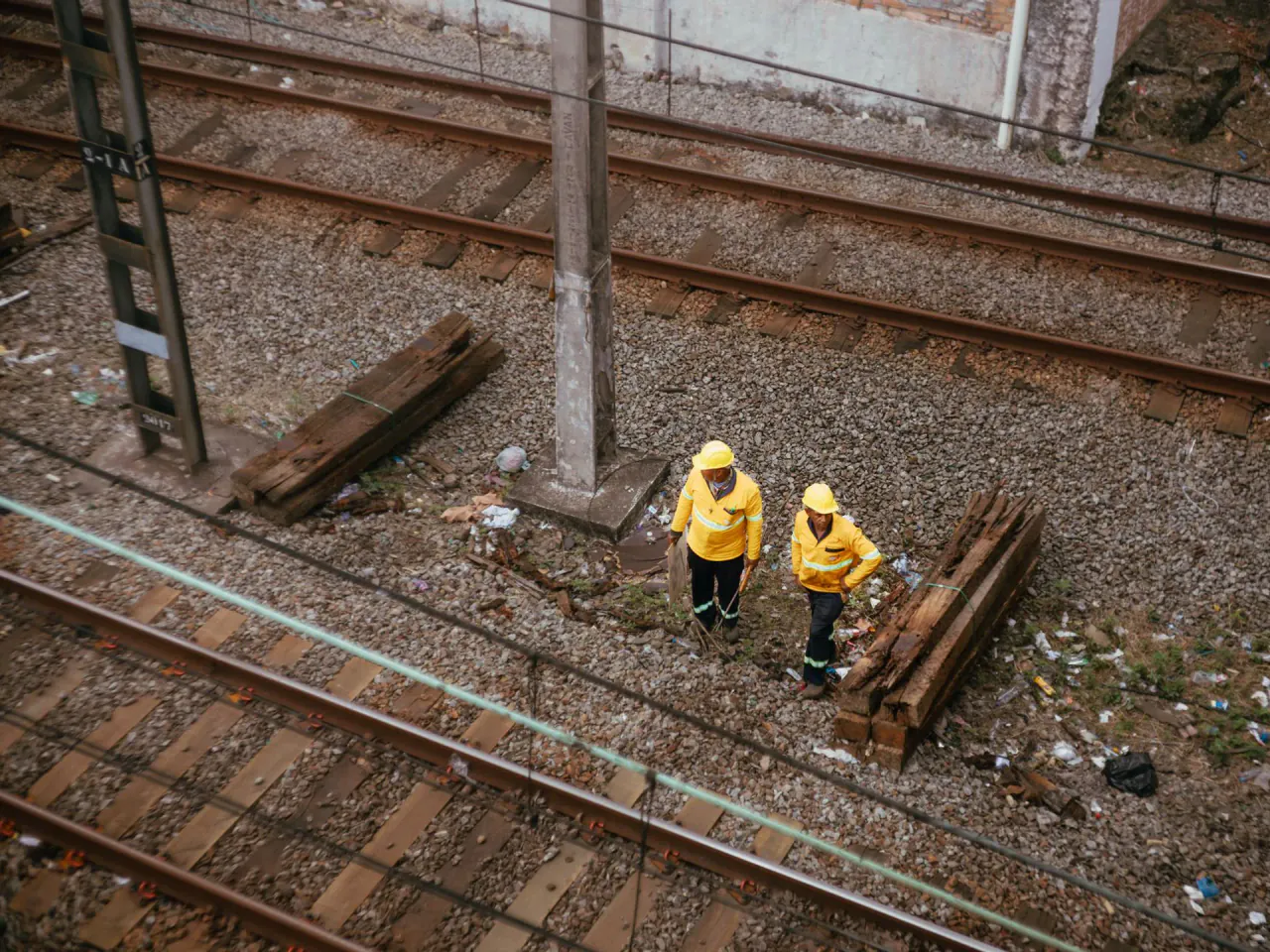
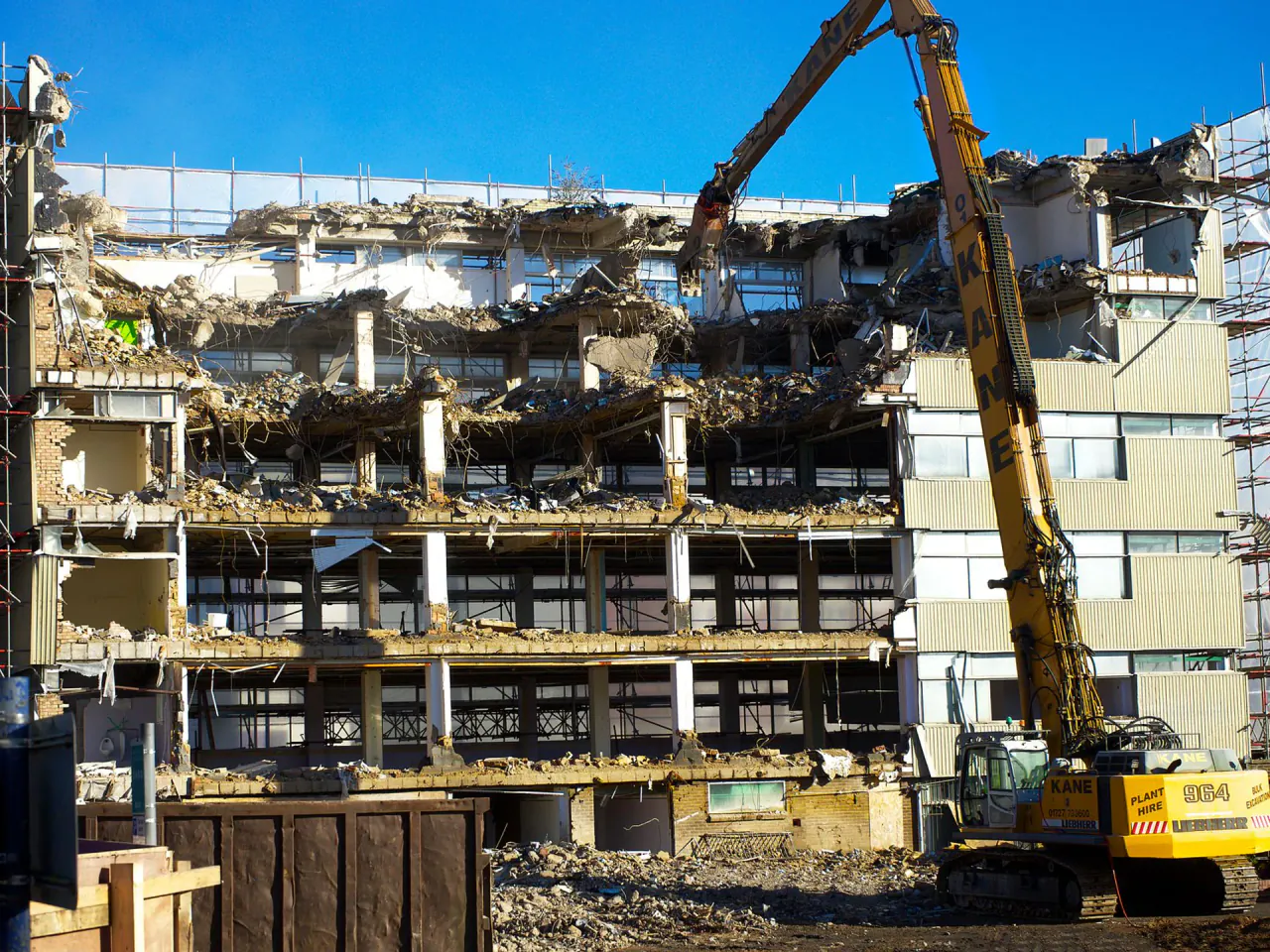
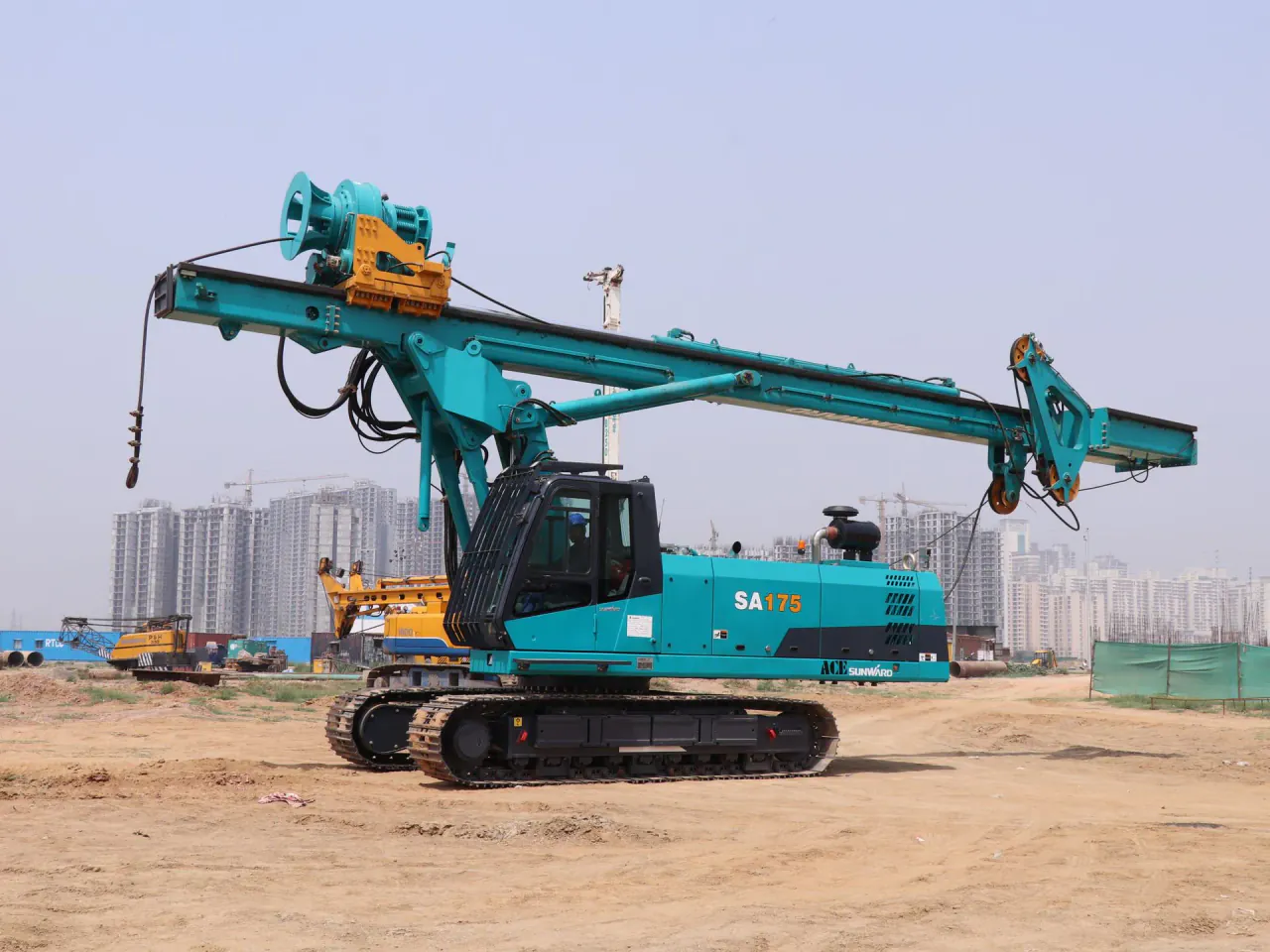





One account for the gangs, the measure, and the detail nobody can see any more.
Metal stud partitions, wall linings, MF and suspended ceilings, steel framing systems and the fire stopping that runs through all of them, on several sites at once. Work measured against your own rates as it is built, gangs and labour only subcontractors held with their tickets and their scheme treatment, board tracked from the pallet to the floor it went to, and the head of wall photographed against the job before it disappears behind a sheet. Around thirty modules on one account, and a drylining contractor turns on the handful it needs.
The work is fast, measured and then hidden. Two of those three are what make it hard to run from a spreadsheet.
Setting out, framing, boarding and finishing to the line and level a specification asks for is the part a drylining contractor already has right. What decides whether the job made money is everything around it: which rate each element was measured at, what the gang actually built that week, what the sequence change cost you in standing time, and whether the fire stopping detail you got right can still be proved twelve months after somebody skimmed over it.
Unibuild is construction management software for UK contractors, built inside a contracting business rather than sold into one. One account carries measured work at your own rates, variations and day works, labour gangs and subcontract orders, materials and deliveries, competence records, site photographs and applications for payment. It is not a take off package and it does not measure a drawing for you; the honest limits at the foot say exactly where the line falls.
Built for this trade
What drylining requires, and what Unibuild provides.
A drylining package and a main contract look alike in a database. They stop looking alike at the measure, at the gang and at the moment the board goes on. Each requirement below is followed by what the platform does about it.
The tradeThe platform
Priced by the metre
The job is measured every month, not quoted once
A drylining package is a schedule of measured elements, and the thing you are paid for is the quantity built by the valuation date rather than the quantity drawn.
Partitions, linings and ceilings each carry their own rate, and so does each board specification
Openings, bulkheads, pattresses and shaft walls are remeasured rather than assumed
Day works cover the things the drawing never showed, and they need signing while somebody remembers
The quantity built this month is the application, and nothing else is
Your rates as a price list, and the measure recorded as it is built
Rate valuations holds measured work against your own rates with caps and client sign off, so a month's quantity is assembled from records made on site rather than reconstructed on the last Friday. Variations and day works price the extra work and get it signed on the phone at the time.

The detail that matters is covered up the same day
Compartmentation is built by your gangs and then becomes invisible. Two years later somebody has to prove it was right, and there is nothing left to look at.
Head of wall and deflection details are the first thing an inspector asks to see
Cavity barriers, service penetrations and fire stopping sit inside finished construction
Third party installer certification is assessed on documented evidence, not on intention
The golden thread expects information kept accurate, current and handed on
The photograph taken against the job, kept where it can be found again
The site diary holds photographs and notes against the job and the location they were taken at, so a before boarding photograph is filed at the moment it is useful to take one. Documents and certificates keeps the product data, the test evidence and every revision of the detail alongside it.
Drylining is labour before it is anything else, and most of that labour is subcontract, priced by output rather than by the hour.
Gangs move between sites in the same week, sometimes in the same day
Labour only subcontractors need verification, insurance and a scheme treatment held per firm
Price work is agreed by the metre and reconciled against what was actually measured
Self billing is common, which puts the accuracy of the record entirely on you
Who was on which site, and what the order with them says
QR clock in timesheets put each operative on a site with a server timestamp, so labour cost lands against the job it was spent on rather than against a week. Subcontractor management holds the orders, insurances, verification and payments, and the self billing arithmetic runs off the same records.
Materials are a real share of a drylining package, they are heavy, they are specification critical, and they are damaged by everything that touches them.
Wallboard, fire rated, moisture resistant, acoustic and impact grades all look similar on a pallet
Board is loaded out by floor, and the floor it went to is the only useful location
Damaged and offcut board is cost that never appears on any measure
Plasterboard cannot be sent to landfill mixed with biodegradable waste, so it leaves site separately
Deliveries booked against the job, and stock held where it actually is
Purchase orders carry the order, the delivery, the supplier invoice and the credit for the pallet that arrived broken. Assets and inventory holds stock by location rather than as one number, and the waste transfer note for the board that left site is a document against the job.
A drylining operative carries a site card, an access qualification and, on the fire stopping side, a registration that belongs to a scheme rather than to them.
Site access wants a current card, and the main contractor checks it at the gate
Tower and powered access work carry their own separate qualifications
Third party fire stopping schemes name the people who are covered by them
An operative can be current on one and lapsed on another in the same morning
A row per person, a column per ticket, and it colours itself
The training matrix holds each card, ticket and registration against the person with its own expiry, turning amber before it lapses. The labour run reads the same account, so the gang sent to a tower job is one that is actually clear to work from one.
Drylining sits between the frame and the finishes, so the programme belongs to the main contractor and the disruption belongs to you.
An area released late compresses your labour without changing the date
Services not in before close up turn one visit into three
Standing time and out of sequence working are claims, and claims are records
Snagging arrives months later against work another trade damaged
What happened on site, written down on the day it happened
The site diary records the areas released, the labour on site and the conditions found, with photographs, which is what an entitlement argument is made of. Comms and reporting turns those records into something a contracts manager can send rather than assemble.
Counted in the deployment Unibuild was built on, July 2026: one expiry page carrying 376 assets, 141 subcontractor certificates, 84 accreditations, 80 health assessments, 55 instruments and 9 vehicles.
Framing and studwork
Boards and linings
Ceilings
Fire stopping
Insulation and acoustics
Access equipment
Tools and power
Records and evidence
The week
An ordinary week in a drylining firm, and the record it leaves.
Six entries from the day book. Nothing here asks a supervisor to remember a quantity until Friday.
Monday, the allocation
Four gangs across three sites, each with the areas released to them this week and the cards and tickets they hold checked before anybody travels. Two operatives are amber on a tower ticket and are moved rather than turned away at the gate.
Checked before they travel
Tuesday, the measure
The supervisor records the partitions and linings built on level three against their rates as the gang finishes them, on the phone, in the area they were built in. Nobody walks the floor again in three weeks trying to remember.
Measured where it was built
Before the board goes on
The head of wall detail and the cavity barriers on a compartment line are photographed against the job and the level, with the product they were formed from noted beside them. Twenty minutes now, and the evidence still exists in 2030.
Proved while it is visible
Wednesday, the delivery
Two pallets of fire rated board arrive against the order for that job, loaded out to the fourth floor. One pallet is damaged on the tail lift, photographed, and the credit is chased from the record rather than from memory.
Booked against the job
Thursday, the hold up
An area is not ready because the services are not in. The diary records what was released, who stood, and for how long, with photographs, so the conversation at the end of the month is about a record rather than about recollections.
Written down on the day
Friday, the application
The valuation is assembled from the measure already recorded, the signed day works and the variations, with the subcontract deductions and retention underneath it rather than in a spreadsheet beside it.
Built from the record
The requirements
Eight things drylining software has to do.
Written as requirements rather than as features, so they can be read against whatever you are using now.
Measure on site, in the area, at the rate
The measure has to be made where the work is, by the person who watched it happen, against the rate it was priced at. Rate valuations holds the price list, the measured work, the caps and the client sign off, which is the shape of every drylining package whatever the main contractor calls it.
A photograph filed against a location, not a camera roll
Before boarding evidence is worthless unless it can be found by job and level two years later. Photographs belong to the job record in the site diary, taken on the phone at the wall, rather than to whoever happened to be holding the camera that day.
Labour costed against the job, not against the week
QR clock in puts each operative on a site with a server timestamp and a geofence, so when four gangs move between three sites in a week the labour still lands on the right job. Labour cost per job is the number a drylining business is actually run on.
Subcontract orders that hold their terms
Labour only gangs need an order with a price, a verification status and a current insurance behind it. Subcontractor management holds all three per firm, so a self billed payment is made against something that was agreed rather than against something that was assumed.
Day works signed while somebody still remembers
The work the drawing never showed is worth real money and it evaporates in about a fortnight. Variations and day works price it on the phone, capture the signature there, and carry it straight into the valuation instead of into an argument.
Materials tracked to the floor they went to
Board loaded out to level four is not stock in a compound, and pretending otherwise is how a package quietly loses several thousand pounds. Assets and inventory holds stock by location, and purchase orders carries the delivery and the credit note behind it.
Competence held per ticket, with dates
Cards, access qualifications and scheme registrations expire independently, and the gate checks them individually. The training matrix holds each one against the person with its own expiry and colours before it lapses rather than after.
The entitlement record made daily, not at the end
Standing time, late release and out of sequence working are recoverable only if they were recorded at the time. The site diary makes that a two minute habit on a phone instead of a fortnight of reconstruction when the account is finally argued.
The van and the floor
What a drylining firm holds
Written for the trade rather than for any one firm. Most firms will recognise nine or ten of these lines and ignore the rest.
What a UK drylining and partitioning contractor holds, and the tracking quirk in each line
Key
Category
Typical items
The tracking quirk
Metal framing
C studs, U track, deflection head track, resilient bars, furring channel, angles
Gauge and size are specification critical and almost invisible on a bundle, so the wrong stud is only found when the wall fails a check
Plasterboard
Wallboard, fire rated, moisture resistant, acoustic, impact and combination boards
Six grades that look alike on a pallet and cost very different amounts, and only one of them satisfies the compartment line
Plasterboard leaves site separately from general waste, so the skip arrangement is a compliance decision rather than a cost decision
The paperwork
Approved details, product data, before boarding photographs, method statements, inspection records
The only category with no physical existence and the one a building safety question is actually about, so it is the one worth systemising first
Regulations
The regimes a drylining firm works under
Most of it comes down to what was specified, what was actually installed, who was competent to install it, and whether anybody can still show it. This is the reference version, kept factual.
The regimes a UK drylining and partitioning contractor works under, and what each requires
Regime
What it requires
Building Regulations, fire safety
Approved Document B sets the compartmentation a building relies on, and a very large share of it is built by drylining contractors: compartment walls and floors, protected shafts and corridors, cavity barriers and the sealing of every service that passes through. The requirement is performance in the finished building rather than adherence to a detail on a drawing, which is why a substitution made on site is a regulatory matter and not a purchasing one.
Building Safety Act 2022 and the golden thread
For higher risk buildings, information about the building must be kept accurate, current and handed on through design, construction and occupation. In practice this reaches the specialist contractor as a demand for evidence: which detail was built, from which products, by whom, and photographed when. The duty to hand on what you know does not wait for the building to be occupied.
Third party installer certification
Both the Building Regulations and the Fire Safety Order require that the person installing fire stopping is competent, and third party certification is the accepted way of demonstrating it. FIRAS, operated by Warringtonfire and accredited by UKAS to BS EN ISO IEC 17065, the BM TRADA Q Mark fire stopping installation scheme and IFC Certification are the schemes most often named in a specification. All of them assess documented evidence and audit completed work, so the record is the certification rather than a by product of it.
Codes of practice for the work itself
Drylining and partitioning using gypsum board, suspended ceilings under BS EN 13964, and light gauge steel framing systems each carry their own code and their own tested system details from the board and framing manufacturers. The tested detail is the one that carries the fire, acoustic and structural performance, and a system is only the system if it was built from the components that were tested together.
Acoustic performance and testing
Approved Document E sets sound insulation requirements between dwellings and in schools, verified by testing on completed construction rather than by inspection during it. A flanking path through a poorly sealed head detail fails a test that the partition itself would have passed, which puts the sealing detail and the photograph of it at the centre of a commercial risk.
Work at Height Regulations 2005
Almost all of the work is above head height. Towers are erected and inspected by people qualified to do it, powered access requires its own qualification, and equipment carries an inspection record with a date. The record is held on the equipment and the qualification is held on the person, which is two registers rather than one.
COSHH and construction dust
Cutting and sanding board generates substantial dust, and silica bearing materials appear in adjacent work. The expectation is control at source through on tool extraction and class M vacuums rather than reliance on masks, and any tight fitting respiratory protection is face fitted to the individual with the test recorded. Health surveillance follows where exposure justifies it.
Manual handling
A single sheet of dense board is a two person lift and a day of boarding is hundreds of them. Assessment, mechanical aids such as board lifters and panel trolleys, and the sequencing of deliveries to the floor rather than to the gate are the practical controls, and delivery to the working level is a commercial decision as much as a safety one.
Waste and plasterboard
Gypsum based waste must not be sent to landfill mixed with biodegradable waste, because the combination generates hydrogen sulphide, so plasterboard is segregated on site and consigned separately. Duty of care applies to every load: a registered carrier, a described waste and a transfer note kept. See waste transfer notes and duty of care.
The Construction Act and payment
Payment in a drylining package runs on the statutory scheme: an application, a payment notice, a pay less notice and dates that are counted rather than negotiated. Missing a notice changes what is owed, which makes the valuation calendar a contractual instrument rather than an administrative one. See applications for payment.
CDM 2015 and the Construction Industry Scheme
Drylining is construction work, with the duties to plan, manage and monitor that go with it, and the labour underneath it is almost entirely inside the Construction Industry Scheme. Verification, deduction, the monthly return and very often self billing all run alongside the work rather than after it. See the CDM 2015 guide and the CIS guide.
Questions
Questions drylining firms ask
The ones that come up on the first call, answered plainly.
The marketWhat software do UK drylining contractors use?+
Usually a take off package for the tender, a spreadsheet for the monthly measure and the gang costs, the main contractor's own portal for applications, a phone camera for the site evidence and an accounts package behind all of it. Unibuild sits where the contracting business lives: the measure at your own rates, variations and day works, gangs and subcontract orders, materials and deliveries, competence records, site photographs and the application. It does not measure a drawing for you.
The fitIs this a take off and estimating package?+
Not for take off, and it is worth being blunt about that before a demonstration rather than after one. Nothing here measures quantities off a drawing on screen. Advanced estimating holds your price lists, rates, fit times and markup, so once the quantities exist the price is built consistently, and the same rates then carry through to the monthly measure. Firms with a take off tool they like keep it and feed the quantities in.
The measureCan supervisors measure on a phone?+
Yes, and it is the point. Measured work is recorded against the job and the rate at the place it was built, so the monthly valuation is assembled from records rather than reconstructed by walking the floors with a scale rule on the last Friday. Caps and client sign off sit on the same record, so what was agreed and what was claimed stay attached to each other.
EvidenceHow does it help with fire stopping records?+
By making the photograph cheap to take and expensive to lose. Site photographs belong to the job and the location in the diary rather than to a phone, the product data and approved details sit as documents with every revision kept, and the operative who did the work is identifiable from the same account. What it does not do is certify you: third party certification is a scheme you hold, and this holds the evidence you present to it.
GangsWe run price work gangs across several sites. Does that work?+
Yes, and it is the case the workforce side was built for. Operatives scan onto the site they are actually on, timed by the server rather than typed in later, so labour lands against the right job even when a gang moves twice in a week. The price agreed with the gang sits on the subcontract order, and what was measured sits on the job, which is the reconciliation that usually happens in somebody's head.
CISDoes it handle self billing for labour only subcontractors?+
The records self billing depends on are all in one place: the order, the verification status, the deduction rate, the measured work and the payment. See the self billing article for how the arrangement works and what it obliges you to get right, and subcontractor management for the register behind it. The monthly return itself is filed with HMRC in the usual way.
MaterialsCan it track board to the floor it was loaded out to?+
Stock is held by location rather than as one total, and a location can be a floor, a compound, a container or a van. That is what makes the difference between a materials figure and a materials position, because board on level four is committed cost that has not been measured yet, and a package that treats it as stock is flattering itself by several thousand pounds.
DelaysWill it help us recover standing time?+
Only in the way anything can: by making the contemporaneous record easy enough that it actually gets made. The site diary takes the areas released, the labour present and the conditions found with photographs, on a phone, on the day. An entitlement argument two months later is won on records that existed at the time, and lost on recollections that did not.
TicketsCan it hold cards, tower tickets and scheme registrations separately?+
Yes, and separately is the only shape that works, because the gate checks them individually. Each card, ticket and registration is its own expiry against the person, the grid colours before a date passes, and the crew planner reads the same account, so an operative is not dispatched to a job they are not currently clear to do.
CeilingsWe do ceilings as well as walls. Is that a different setup?+
No. Ceilings are another set of measured elements with their own rates, their own materials and their own access equipment, and they sit on the same job as the partitions. The only real difference is commercial: ceilings are damaged after you finish them more often than partitions are, so the completion photograph is worth more on a ceiling package than anywhere else in the trade.
DustDoes it hold face fit and health surveillance records?+
Yes, as dated records against the person in the same grid as the cards and tickets, because a face fit test is specific to an individual and a mask type and it expires. Health surveillance results are held as documents against the person with the usual access control. What it does not do is assess exposure or tell you which control is adequate; that is your competent advice, and the platform holds what it produced.
PricingWe are thirty office staff and a hundred on site. Is this proportionate?+
Users are unlimited and never charged per seat, which matters more in this trade than in most, because the people who need to put something into the system are supervisors and gangs rather than office staff. There is no charge per job, per site or per measure, and no published rate card, because a thirty person contractor and a three hundred person one are not the same product. Pricing is worked out on the demonstration and fixed for three years.
RolloutWhere do most firms start?+
With one live job, its rates and its measure, because that is where the arithmetic is easiest to see: what was built, what it was worth, what the labour on it cost. The site diary and the photographs usually come next because they cost nothing to start, then materials and deliveries, then the subcontract side. Firms go live in stages, and migration of your existing people and supplier records is done for you.
Other tradesHow does this sit against your fit out and fire protection pages?+
They are three different readers. Shopfitting and fit out is written for the contractor running the whole interior package across multiple sites. Fire protection is written for the specialist whose entire business is passive fire protection. This page is written for the specialist subcontractor building the framing, the linings and the ceilings, who also does a great deal of the fire stopping while doing it. All three cross link and none of them claims the others' ground.
Five things a drylining contractor asks for that are not in the platform as it stands. Unibuild is bespoke, so each one is a scoping conversation rather than a dead end: customer specific modules, fields, rules and reports are written on request and included in the monthly fee.
Take off from drawingsNothing measures quantities off a drawing or a PDF on screen. Quantities come in from wherever you measure them today, and the platform prices, records and values them.
Models and CADThere is no model viewer, no link to a federated model and no clash or coordination tooling. Drawings are held as documents with revisions, not as geometry.
CertificationThis holds the evidence a third party scheme asks for. It does not certify your installers, and it is not an approved scheme in its own right.
PayrollHours and labour cost are captured and exported. The payroll run itself, including price work made up into a gang payment, stays in your payroll system.
Board yieldNo sheet optimisation, cutting list or waste calculator. Materials are ordered, delivered, located and costed, not planned out of a drawing.
Other trades
Not quite your line of work?
The same platform, written for the trade that runs it. Each of these is a different set of modules switched on rather than a different product.
Return slip
Come and try it on one live job.
Half an hour, on your own rates and your own gangs. Bring one job with its schedule of rates and this month's measure, and we will build the valuation in front of you. Unlimited users, never per seat, and fourteen days to try it without a card.