





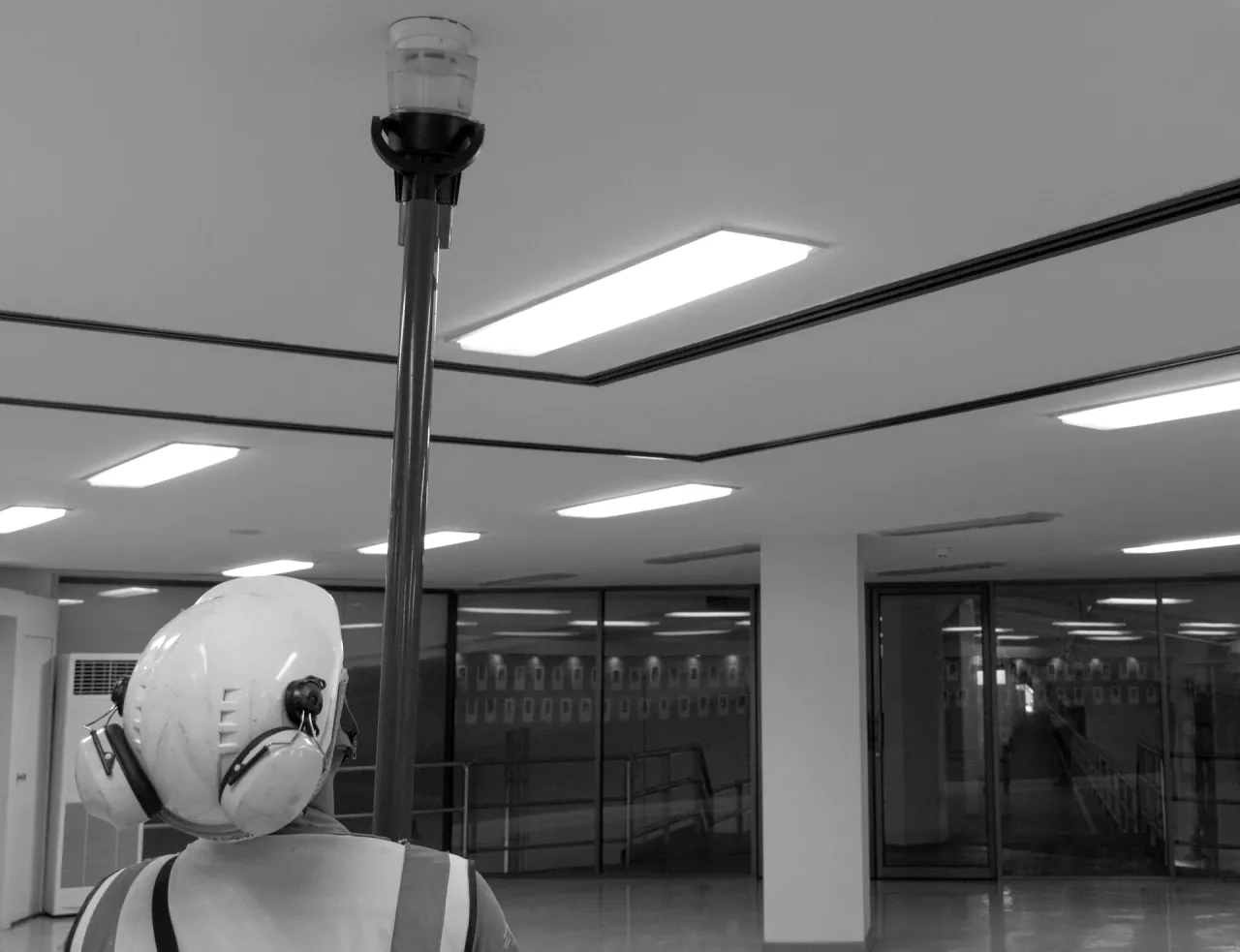



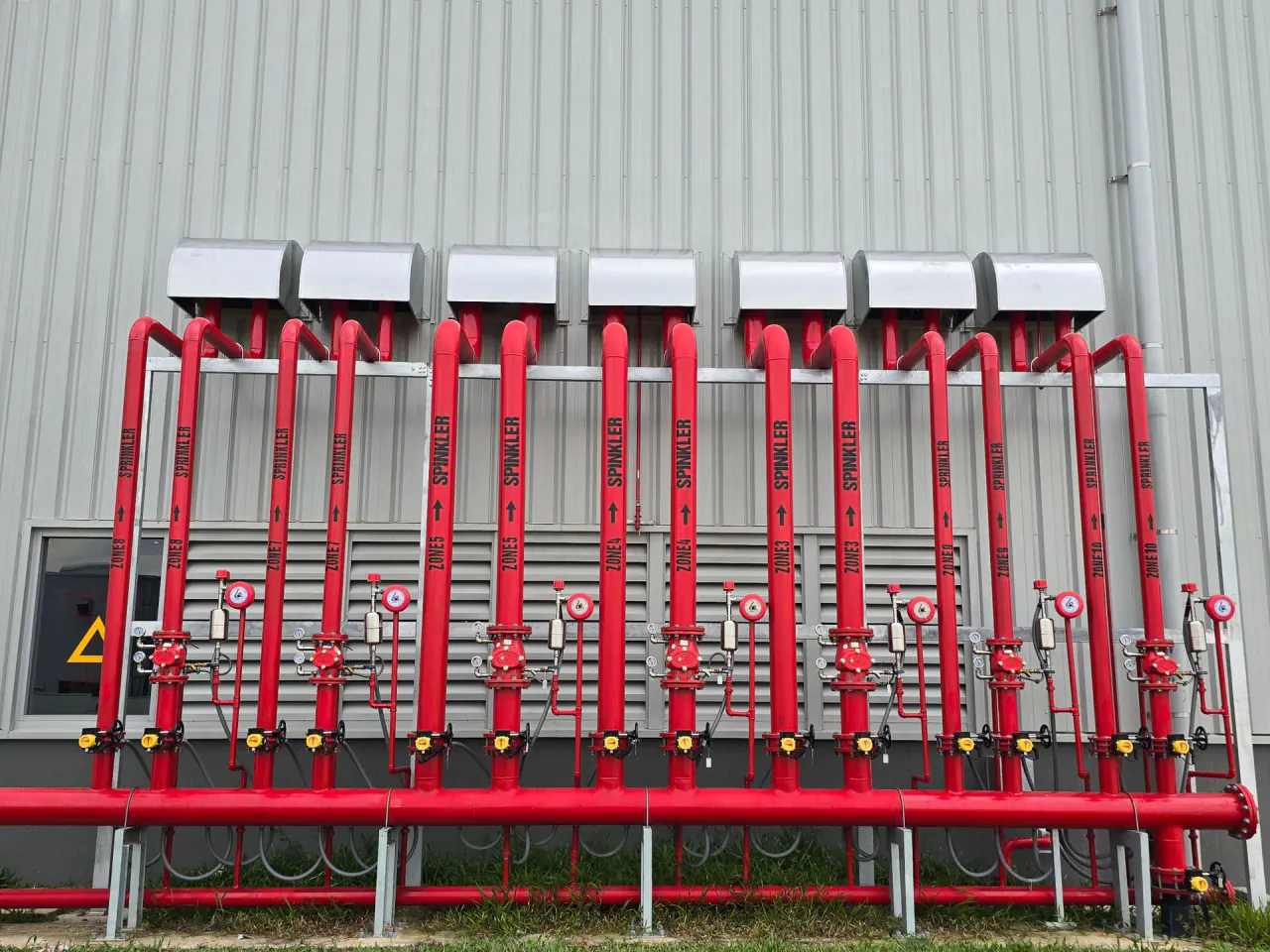

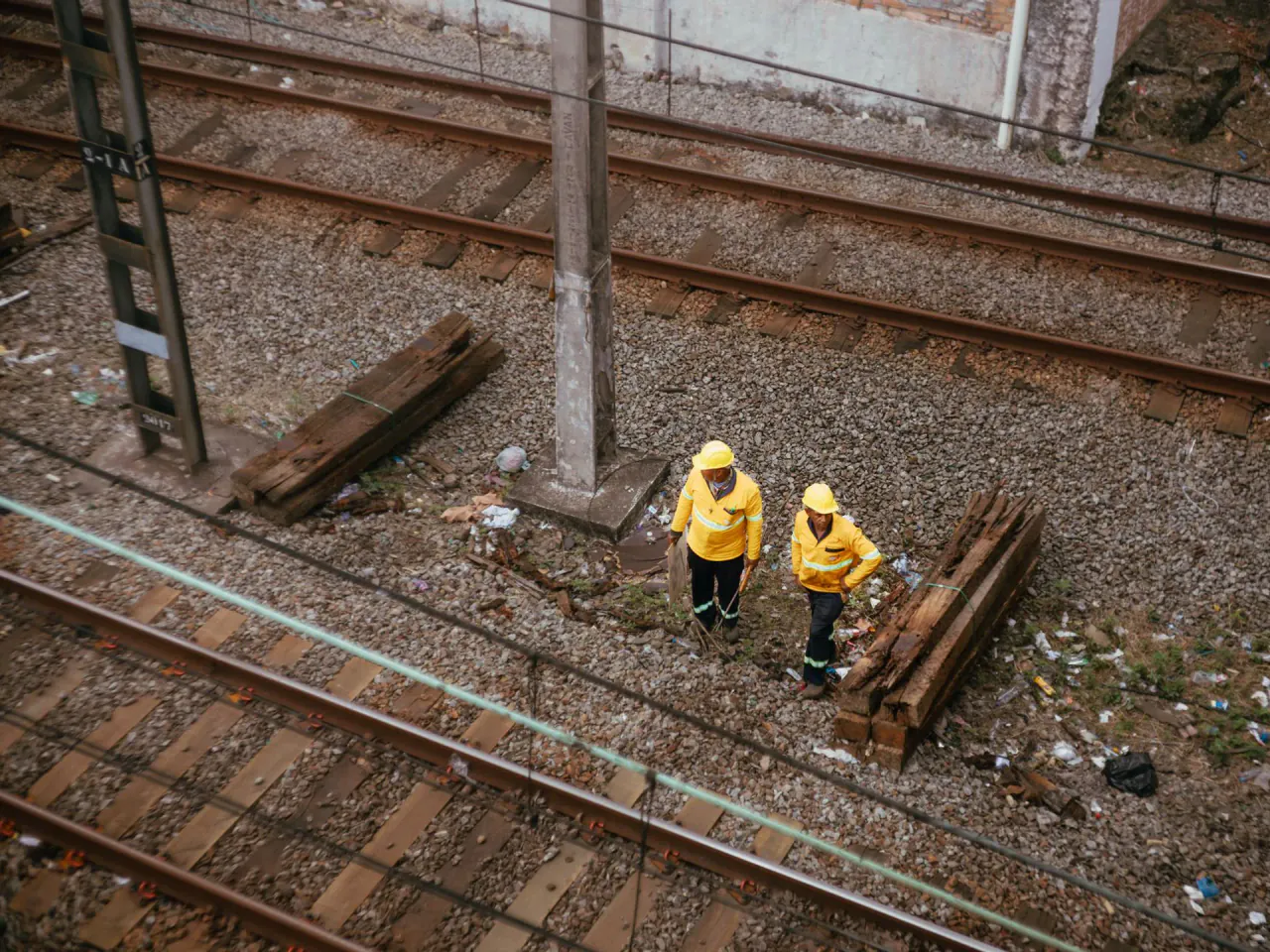
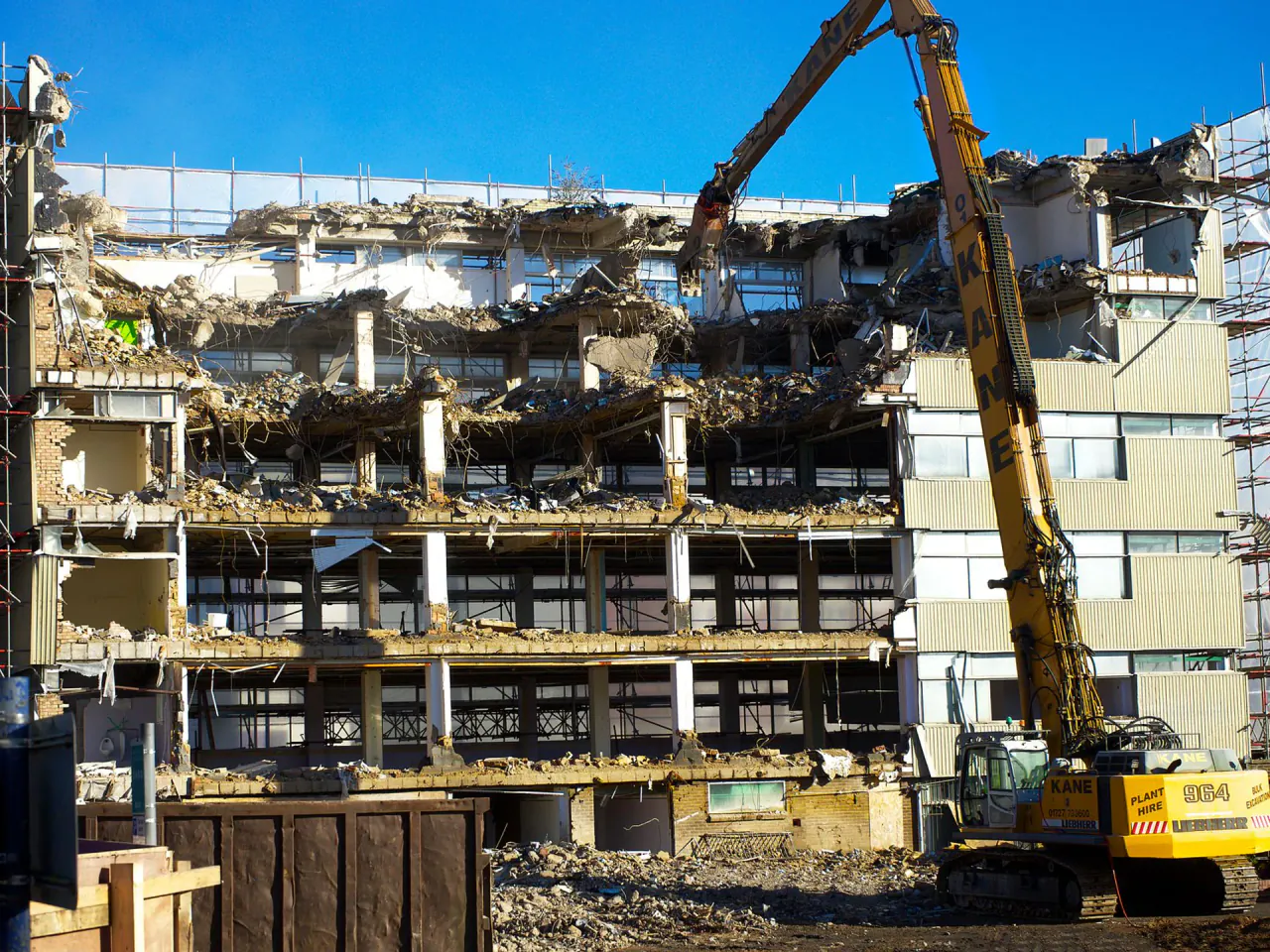



You only get the building when everybody else has gone home.
Eleven stores on the go, each a fortnight long, most of the work done between eight at night and six in the morning while the unit next door is trading. Crews that finish one town and start another. A handover that has to be right first time because the shop opens on Saturday. Around thirty modules on one account, and a fit-out contractor turns on the handful it needs.
Retail, hospitality, banking, office or healthcare: the finish differs, the office side does not.
The fit is the part a shopfitting firm already has right. It is the record behind it that decides the year: which crew was in which town on which night, what was delivered to a unit with nowhere to store it, which variation the store manager asked for verbally at midnight, and how many consecutive nights the gang had done before the last one.
Unibuild is construction management software for UK contractors, built inside a contracting business rather than sold into one. One account carries the labour run, plant and equipment registers, materials and stock, certification and training records, documents, day works, variations and applications for payment.
Built for fit-out
What fit-out requires, and what Unibuild provides.
A new build job and a fit-out job look alike in a database. They stop looking alike at eleven at night in a trading centre, and at the handover on Friday. Each requirement below is followed by what the platform does about it.
The tradeThe platform
Run in the dark, week after week
Nights are the working pattern, not the exception
The unit is only available when the centre closes, so the programme is built out of night shifts and the crew lives in a hotel three counties from home.
A fortnight of consecutive nights is a normal programme, not an emergency
Travel to the next town at the end of a run is part of the same day
Accident rates rise on nights, across successive shifts and when breaks are short
Nobody totals the hours until payroll, by which time the run is over
Counted from the scan, warned before the shift
Advanced Fatigue Manager reads the day lines the timesheet already produces, adds travel at both ends, and counts shift length, rest between turns, consecutive shifts and consecutive nights against limits you set, warning the contracts manager and the operative while the programme can still change.

Crews finish in Leeds on Thursday and start in Bristol on Monday, and the labour plan is the single hardest document in the business.
Each store has a fixed opening date that cannot move
A crew short on one job takes people from another that is also live
Subcontract and agency labour fills the gaps at short notice
Nobody in the office can say who is actually on site tonight
Who is where, weeks ahead and right now
The labour run planner puts every person against every store, weeks ahead and colour coded, with approved leave already on it. Where is everybody shows who has actually scanned in tonight, on a live map, which on a multi site programme is the question that gets asked at nine in the morning.
A store manager or a client's project manager asks for a change on the shop floor at eleven at night, and it gets done because the shop opens on Saturday.
The request is verbal and the person asking often cannot authorise it
The work is done in twenty minutes and forgotten in two days
By the final account it is one firm's recollection against another's
The margin on a fit-out contract is made and lost here
Priced and signed where it was asked for
Onsite quotes and variations price the extra work on the phone, on the shop floor, by the supervisor who was asked, without showing your margin. It becomes a dated priced line the same night rather than a favour somebody tries to recover in March.
Joinery, fixtures, tiles and equipment arrive at a shopping centre with a delivery window, a service lift and no storage at all.
Deliveries are booked into centre slots and refused if they are late
Bespoke joinery is made to a survey and cannot simply be reordered
Damage in transit is discovered at eleven at night with nobody to ring
What arrived and what was fitted are rarely the same list
Booked in against the store, photographed on arrival
Deliveries are recorded against the job on the phone with a signed note and photographs, so damage is evidenced the night it lands rather than argued a fortnight later. Materials are held as quantities by item against locations, including a van.
Working in an occupied building changes everything
The units either side are open in the morning, so hot works, isolations, noise and the fire strategy are all somebody else's problem if you get them wrong.
Hot works need a permit, a watch period and a signed close down
An isolation of a sprinkler or an alarm is a permit with a return to service
Centre rules on noise, access and the service corridor are conditions on the works
A fire alarm at two in the morning empties a hotel as well as a centre
Permits raised, signed and closed on the phone
High risk work waits for a signed, numbered permit, and the close down is a separate signed act rather than the end of a shift. RAMS are signed at the door against a frozen version by the operatives doing the work, not by a supervisor on their behalf.
The client walks the unit on the Friday, the shop opens on the Saturday, and everything outstanding becomes a retention conversation.
The snag list is written on the walk round and has to be closed in days
Photographs of completed work are the only proof after the shop is stocked
The handover pack has to arrive with the store, not a month later
Retention is released against a document somebody has to assemble
Snags raised on the walk, closed with a photograph
Each snag is raised on the phone during the walk round, assigned, and closed with a photograph taken against it. The handover documents are issued from the job record on your own letterhead rather than assembled afterwards from folders.
Counted in the deployment Unibuild was built on, July 2026: one expiry page carrying 376 assets, 141 subcontractor certificates, 84 accreditations, 80 health assessments, 55 instruments and 9 vehicles.
Strip out
Partitions and drylining
Ceilings and grid
Joinery and fixtures
Mechanical and electrical
Access equipment
Finishes and graphics
Permits and handover
The week
An ordinary week in a fit-out contractor, and the record it leaves.
Six entries from a shopfitting contractor's day book. Nothing here asks anybody to remember something on the drive back from a centre at six in the morning.
Monday, the plan
Eleven stores are on the board for the next three weeks. Two joiners are on their sixth consecutive night in a row and are rotated out before the Bristol start.
Rotated, not run down
Tuesday, 2100
The crew scans the poster at the service entrance. The office sees who is on site tonight without ringing a supervisor who is holding a drill.
Known, not guessed
The delivery
Bespoke joinery arrives in the centre slot with a corner damaged. It is photographed against the job on the night, so the replacement conversation starts on Wednesday rather than at handover.
Evidenced on arrival
Wednesday, 2330
The client's project manager asks for two extra shelf runs. It is priced and signed on the shop floor before the crew moves on to the next elevation.
A line, not a favour
Thursday, the hot works
Welding in the back of house waits for a numbered permit, and the watch period is closed down with a signature rather than with the end of the shift.
Closed, not just finished
Friday, the walk
The client walks the unit and raises nineteen snags. Each is assigned on the phone during the walk and closed with a photograph before Saturday opening.
Closed before trading
The test
Eight things fit-out software has to do.
Written from what actually costs a shopfitting contractor money or exposes it, rather than from a feature list. Unibuild is around thirty modules on one account, and a fit-out firm turns on a handful of them.
Who is on which store tonight, weeks ahead
The labour run planner puts every person against every store, colour coded and weeks ahead, with approved leave already overlaid so somebody who is away cannot be allocated. The TV board puts the same week on a screen in the office. For a trade running eleven live jobs in eleven towns, this is the document the business actually runs on.
Hours counted across a run of nights, not just a week
QR clock-in timesheets put the hours against the store, timed by the server rather than read from a phone. Advanced Fatigue Manager counts consecutive nights, rest between turns and the travel to the next town against the limits you set, and warns before the shift. A fortnight of nights followed by a four hour drive is the pattern this exists for.
Variations priced on the shop floor, at the moment they are asked for
Onsite quotes and variations price extra work from the phone, by the supervisor who was asked, without exposing your margin. Rate valuations measure on site against the contract rates and get signed before anyone leaves. This is where the margin on a fit-out contract is made, and it is made at eleven at night or not at all.
Deliveries evidenced the night they land
Deliveries are recorded against the store with a signed note and photographs, which matters more here than almost anywhere because there is nowhere to store anything and nobody to ring at eleven at night. Damage to bespoke joinery discovered at handover is a fortnight's argument; discovered on arrival it is a phone call the next morning.
Permits for hot works and isolations, closed down properly
Permits to work hold high risk work behind a signed, numbered permit, with the close down as a separate signed act rather than the end of a shift. In an occupied building, an isolation left off or a watch period not completed is somebody else's fire strategy, which is why this is a signature and not a note.
Snags raised on the walk and closed with a photograph
Each snag is raised on the phone during the client's walk round, assigned to a person, and closed with a photograph taken against it. Once the shop is stocked, a photograph is the only proof the work was done at all. Related: snagging and defects.
The handover pack issued with the store, not a month later
Documents and certificates issues 58 document types on your own branding, produced from the job record rather than retyped into a template. Test certificates, warranties, as fitted information and the snag close out go out as one pack. Related: the handover pack.
Subcontract trades vetted, and dropped when cover lapses
Subcontractor management holds insurances and accreditations per firm, and a lapse removes that firm from approved status overnight, withdrawing it from the order forms and the labour planner. On a trade that subcontracts M and E, flooring, shopfront and graphics on every job, that is the control that works while nobody is looking.
Governing clauseEverything above is a record made on the shop floor, not typed up on the drive home.
The van
What a fit-out contractor holds
Written for the trade rather than for any one firm. Most shopfitting contractors will recognise eight or nine of these lines and ignore the rest.
What a UK shopfitting and fit-out contractor holds, and the tracking quirk in each line
Key
Category
Typical items
The tracking quirk
Bespoke joinery
Counters, gondolas, display units, back walls, cash desks
Made to a survey for one unit, so a damaged item cannot be swapped from another job and a reorder is weeks, not days
Partitions and linings
Metal stud, plasterboard by type, insulation, fire batt, tape
Fire rated board looks identical to standard board on a pallet, and the difference only appears at inspection
The only category with no physical existence and the one that decides the final account, so it is the one worth systemising first
Regulations
The regimes a fit-out contractor works under
It is about who signed the permit, what was isolated, how long the gang had been on nights, and what the handover pack contains. This is the reference version, kept factual.
The regimes a UK shopfitting and fit-out contractor works under, and what each requires
Regime
What it requires
CDM 2015
A fit-out is construction work, and on most store projects the shopfitter is the principal contractor with duties to plan, manage and monitor the construction phase, keep the construction phase plan current and provide the information for the health and safety file. With eleven short projects running at once, the plan has to be a live document per store rather than one template. See the CDM 2015 guide.
Working time and fatigue
Night work is the normal pattern rather than the exception, so the Working Time Regulations 1998 bite directly: eleven consecutive hours of daily rest, the 48-hour average, and an eight-hour limit for night workers doing work involving special hazards, with a free health assessment offered to night workers. HSE is explicit that meeting those alone does not discharge the duty to manage the risk. See fatigue management.
Regulatory Reform (Fire Safety) Order 2005
Working in an occupied building means the responsible person's fire strategy is live while you work. Isolating an alarm or a sprinkler, blocking a route or introducing an ignition source are all changes to it, and each needs a permit, a return to service and a record. The units either side open in the morning whether your isolation was reinstated or not.
Hot works and permits
Welding, grinding, soldering and any other ignition source in a fit-out is controlled by a permit with a defined area, fire watch arrangements, a watch period after work stops and a signed close down. Most centre and client rules go further than the statutory minimum, and the permit is the document produced when an alarm goes off at two in the morning.
Building Regulations and the fire strategy
Compartmentation, fire stopping around new penetrations, fire rated linings and the means of escape all change when a unit is refitted. What was installed and to what specification is information the building needs after you leave, and Regulation 38 requires fire safety information to be given to the responsible person at completion. Related: the handover pack.
Work at Height Regulations 2005
Almost all fit-out work happens above shoulder height on podiums, towers and MEWPs. Towers are erected by trained people and inspected, and a MEWP lifts people so it carries a thorough examination at least every six months. In an occupied centre the additional question is what is underneath you and who is walking through it.
The Construction Act and retention
Payment on a fit-out contract runs under the Housing Grants, Construction and Regeneration Act: due dates, payment notices, pay less notices and the right to suspend. Retention is held against a handover that has to be right the first time, because the client's attention moves to the next store the moment this one opens. See the Construction Act explained.
Electrical and mechanical certification
The installation certificates, emergency lighting records, test results and commissioning data for the M and E works are the substance of the handover pack, and on most fit-outs they come from a subcontractor whose paperwork arrives late. Collecting them against the job as they are produced is the difference between a pack issued with the store and one chased for a month.
Waste duty of care
Strip out waste leaves through a service corridor in a booked slot under a duty of care, described accurately and transferred only to an authorised person, with documentation kept for the required period. There is nowhere on a shopping centre unit to store a skip, so the transfer happens on somebody else's timetable. See waste transfer notes.
COSHH 2002, noise and dust
Adhesives, paints, sealants and resins carry assessments and storage conditions, and cutting board and stone produces dust that is a health surveillance matter rather than a housekeeping one. In an occupied building, noise and dust are also contractual conditions imposed by the centre, which means they are monitored by somebody other than you.
On the record
Questions fit-out contractors ask
The questions shopfitting contractors actually raise on a demonstration, answered on the record. Open one to read the response.
The marketWhat software do UK shopfitting and fit-out contractors use?+
Most run a combination rather than a system: a spreadsheet for the labour plan across live stores, the client's own roll out tracker, a shared drive for drawings and surveys, a snagging app bought for one contract, and an accounts package behind it. Unibuild sits underneath all of that: people, hours, plant, materials, site records, variations and the money, on one account. It does not do design or produce a roll out programme for the client, and the honest limits below say where it stops.
NightsWe work nights for weeks at a time. Does anything handle that?+
Yes, and it is the reason this page exists. Advanced Fatigue Manager reads the hours already recorded at the service entrance, adds the travel at both ends, and counts consecutive nights, rest between turns and hours in a rolling fortnight against the limits you set, warning the contracts manager and the operative before the shift. A run of nights followed by a four hour drive to the next town is exactly the pattern a weekly total hides. It warns rather than blocks, deliberately.
LabourCan it show who is on which store tonight?+
Yes, two ways. The labour run planner shows who is allocated where across the coming weeks, colour coded by store, with approved leave already on it so somebody who is away cannot be allocated. Where is everybody shows who has actually scanned in tonight on a live map, which is a different and more useful question at nine in the morning after a night shift.
VariationsCan we price a change the client asks for at midnight?+
You can price it at the moment somebody asks, from the phone, by the supervisor who was asked, without showing your margin. That is the whole problem with fit-out variations: agreed verbally on a shop floor, done in twenty minutes, and remembered by nobody when the account is settled. Pricing on the spot turns a favour into a dated line. Whether the client accepts it is still a commercial conversation, but it is one about a record.
SnaggingDoes it do snagging on the client walk round?+
Yes. Snags are raised on the phone during the walk, assigned to a person, and closed with a photograph taken against the item. Once the shop is stocked on Saturday morning, a photograph is the only proof the work was ever done. It is not a dedicated defects package with drawing pins on a plan, and if your client mandates one of those, keep it: the two coexist and the honest limits below say so.
PermitsCan it handle hot works permits and isolations in an occupied centre?+
Yes. High risk work waits for a signed, numbered permit, and the close down is a separate signed act rather than the end of a shift, which is the part that matters when a watch period is supposed to run after the welding stops. What it does not do is know your centre's own rules, which differ by landlord. Those become the fields and the conditions on your permit during implementation.
HandoverWill it produce the handover pack?+
It issues the documents from the job record on your own letterhead rather than from a Word template somebody retypes, and it collects the subcontractor certificates against the job as they arrive rather than at the end. That is usually the difference between a pack issued with the store and one chased for a month. It does not assemble a structured operation and maintenance manual to a client's own index, though that is a common thing to scope.
DeliveriesThere is nowhere to store anything. Does that break the stock module?+
No, because materials are held as quantities by item against locations and a van is a location like any other. Deliveries are booked in against the store with a signed note and photographs on the night, which for bespoke joinery is the single most valuable record in the job: damage found at handover is a fortnight's argument, and damage evidenced on arrival is a phone call the next morning.
SubcontractorsWe subcontract M and E, flooring and shopfront on every job. Does that work?+
Yes, and it is where the automatic part earns its keep. Insurances and accreditations are held per firm, and a lapse removes that firm from approved status overnight, which withdraws it from the order forms and the labour planner. Their operatives scan the same poster as your own people at no extra cost, so they appear on the attendance record and on the fatigue record for the store they were actually on.
AdoptionWill fitters actually use it at two in the morning?+
Only if what you ask of them is small. The realistic answer is three things on the phone for a crew: clock in, the RAMS signature, and photographs against the job. Everything else stays with the supervisor and the office. Permissions are granted per person, so that is a configuration rather than a compromise. Asking a gang to run the whole platform in month one is how these projects die.
PricingHow is it priced, and do you charge per fitter?+
Users are unlimited and the price does not change when you take crews on for a roll out, which matters in a trade that doubles its labour for a six week programme and halves it again afterwards. There is no published rate card, because a ten person firm running three modules and an eighty person firm running twenty are not the same product. Pricing is worked out on the demonstration and fixed for three years.
RolloutDo we have to move everything across at once?+
No, and it is usually a poor idea. Most fit-out contractors start with the labour plan and the timesheet, because knowing who is on which store is the thing that hurts daily, then add variations and snagging once the first is habit. Cataloguing every record you hold before anyone uses the system is the most reliable way to kill the project. Firms go live in stages, often on one store.
Five things a shopfitting contractor asks for that are not in the platform as it stands. Unibuild is bespoke, so each one is a scoping conversation rather than a dead end: customer specific modules, fields, rules and reports are written on request and included in the monthly fee.
Snags pinned to a drawingSnags are raised against the job with photographs, not plotted on a floor plan. A dedicated defects package coexists with this rather than being replaced by it.
Client roll out trackersNo connector to a retailer's own programme portal. A feed to a named client is built on request rather than shipped.
Joinery manufacture and cutting listsNothing here runs a joinery shop. Bespoke items are held as ordered materials, not as a production schedule.
Structured O and M manualsDocuments and certificates are issued and collected against the job. Assembling a manual to a client's own index is a scoping conversation.
Design and drawing productionNo CAD, no visuals and no survey drawings. Drawings live against the job with every revision kept, and the design stays where it is.
Other trades
Not quite your line of work?
The same platform, written for the trade that runs it. Each of these is a different set of modules switched on rather than a different product.
Return slip
Come and try it on one store.
Half an hour, on your own roll out and your own crews. Bring next month's stores and one run of nights, and we will set both up in front of you. Unlimited users, never per seat, and fourteen days to try it without a card.