
Site induction, and what has to
be on record before anybody starts.
The half hour that decides whether you can prove competence a year later. What an induction has to cover, what to capture while the person is in front of you, and why agency labour is where it breaks.
Published ·Updated ·6 min read·Written by Darshan Parmar, Founder
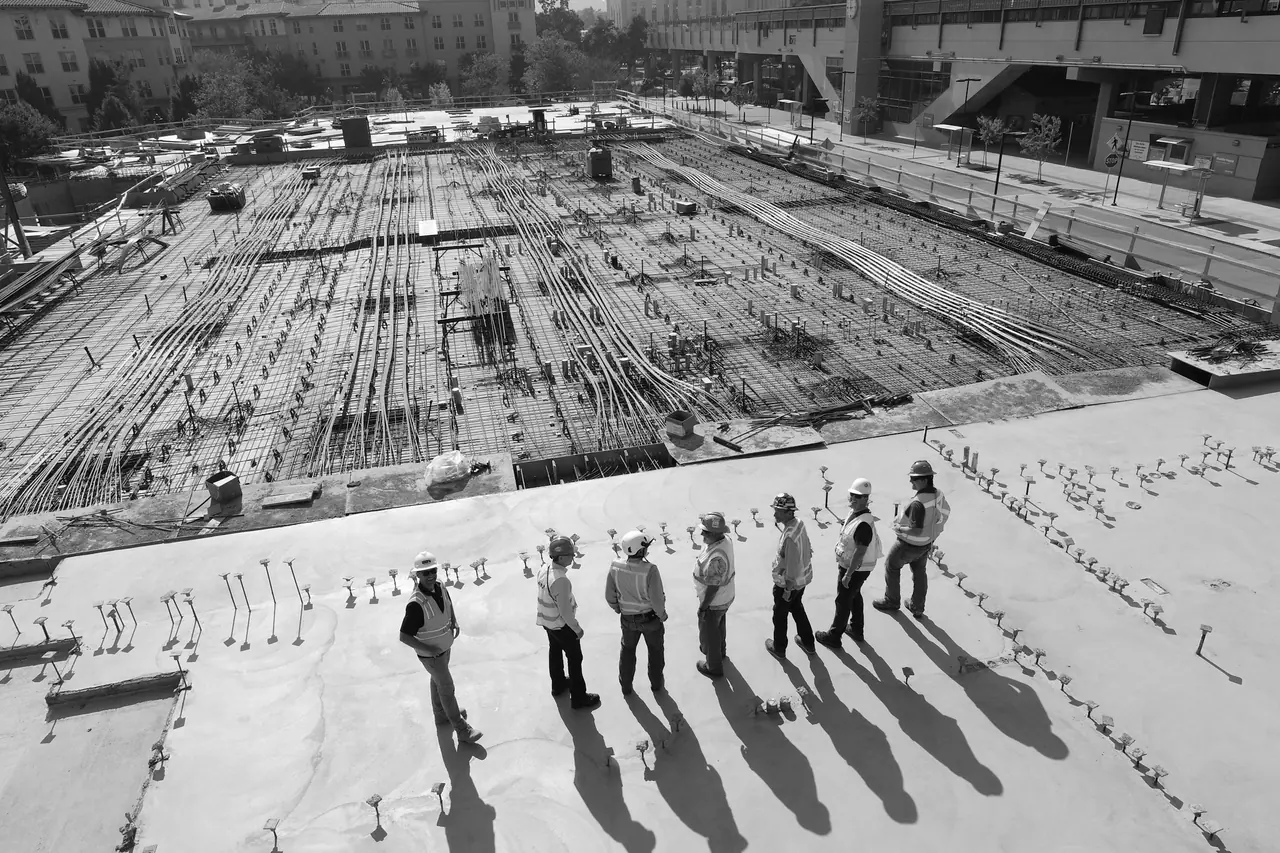
Every firm runs inductions. Far fewer can produce the register, signed and dated, eighteen months later, for the agency operative who was on site for three days and is now the subject of a claim. The induction is not the hard part. The record is.
Why it exists
CDM 2015 requires that no person is engaged in construction work unless they have, or are in the process of obtaining, the necessary skills, knowledge, training and experience. It also requires that a site induction is provided where needed, and that reasonable steps are taken to prevent unauthorised access.
Underneath that sits the general duty in the Health and Safety at Work etc. Act 1974 to provide information, instruction, training and supervision. The induction is where a great deal of that duty is discharged in practice, and it is the first document anybody asks for after an incident.
What it has to cover
An induction is site-specific or it is a waste of everyone's morning. Generic safety films delivered identically on nine sites tell an inspector that the induction was a formality. What belongs in it:
- The project and who is who. Who is in charge, who the first aiders are, who to report to.
- The specific hazards of this site. Not construction hazards in general. The live overhead line, the fragile roof, the traffic route, the neighbouring school.
- Emergency arrangements. Alarm, muster point, escape routes, how the emergency services get in, and where the nearest hospital is.
- Welfare. Where the facilities are and when they are available.
- Site rules. PPE, permits, exclusion zones, speed limits, smoking, drugs and alcohol policy.
- Reporting. How to raise a near miss, an accident, or an unsafe condition, and the fact that doing so is expected rather than tolerated.
- Environmental controls where they bite: dust, noise, waste segregation, protected species or trees.
- Anything that changed since the last induction, for people returning to a site they know.
The test of a good induction is not whether it was delivered. It is whether the person who received it could name the muster point an hour later.
What to capture while they are in front of you
This is the part that fails, and it fails because everything on this list is easy at the moment of induction and nearly impossible afterwards:
- Full name, employer and contact number. Employer matters: agency, subcontractor or direct changes who is responsible for what.
- Their competence card, photographed front and back. Which card and what it means is covered in which CSCS card. A card checked against the register beats a number typed from a photograph.
- Relevant tickets for the work they will do. Plant, hot work, confined space, first aid, whatever their role requires.
- Emergency contact. Nobody wants to be looking for this on the day it is needed.
- Health information they choose to disclose, handled properly and kept restricted.
- Right to work check, where you are the employer.
- Their signature and the date, against the specific content delivered.
The last item is the one that turns a register into evidence. A signature against "induction" proves attendance. A signature against a dated version of the content proves what they were told.
Agency and subcontract labour, where it breaks
Directly employed staff are inducted once, thoroughly, by someone who will see them again. Agency labour arrives at seven in the morning on a day when two people are off, works four days, and leaves.
The pressure to shorten the induction is real and it is exactly backwards. The person you know least about, whose training you did not provide, on their first morning on an unfamiliar site, is the person for whom the induction does the most work. It is also the person whose record you are most likely to need later, because you have no employment file to fall back on.
Three practical controls help. Make sign-up something the operative does themselves, so the queue does not create pressure to skip fields. Capture the card at the point of induction rather than promising to chase it. And keep the agency's own supply of workers on a register, so a returning face is a lookup rather than a fresh induction from a blank sheet.
How the record fails
- It is a paper register in the cabin. Complete, accurate, and demobilised with the cabin.
- Photographs of cards live on a phone. A phone belonging to a supervisor who has since left.
- There is no version of the content. The induction changed in March and nothing records who got which version.
- Nobody links it to attendance. The induction register and the record of who was actually on site on a given day are two separate things, and reconciling them after an incident is the worst possible time to try. What a gate scan does and does not establish is covered in QR codes on construction sites.
- It expires and nobody notices. Cards lapse. A person inducted in January with a card expiring in June is still on site in September and nothing said so.
Unibuild takes agency and temporary worker sign-up as a self-service step: the new starter signs themselves up and photographs their CSCS card, both sides, rather than queuing while somebody types, and Unibuild verifies the card. Records sit against the person and the project rather than in a cabin, so the register survives demobilisation. Card and ticket expiry joins the same nightly job that reads certificate and insurance dates, banded onto a dashboard with a thirty day window, so a lapse is visible before it happens rather than after. Signatures are captured on the phone with the exact time they were given, and toolbox talks and RAMS acceptances are recorded per person against the version that was current that day, which is the same discipline as the induction and the reason the two reconcile. Whether a card is appropriate for the work stays a competence decision for the person appointing.
Where to start, on Monday
Pick one site and one date six months ago. Produce the list of everybody who was inducted and on site that day, with their cards. Time yourself.
If it takes more than a few minutes, the problem is not your induction. It is that the record of it was made in a place that only works while the job is still running, which is precisely the period during which nobody ever asks for it.
Sources
Checked against the source rather than against commentary. Where a schedule, a rate or a threshold is definitive on a government site, read it there.
- Construction (Design and Management) Regulations 2015 legislation.gov.uk
- Health and Safety at Work etc. Act 1974 legislation.gov.uk
- HSE construction safety topics Health and Safety Executive
The follow-up questions.
Which card means what, and who checks it, is in which CSCS card.
What should a site induction cover?
Is a site induction a legal requirement?
Who should deliver the site induction?
How long should a site induction take?
What records should be kept from an induction?
How long should an induction record be kept?
Does an induction need repeating?
Can an induction be done online or before arrival?
Do agency workers need a site induction?
Do visitors need an induction?
What is the difference between an induction and a toolbox talk?
More from Insights.
 Which CSCS card, and who actually checks itSeven colours, different qualifications behind each, and a five year clock on most of them. What each card is for, and why it is not a legal requirement but still stops you at the gate.Read it →QR codes on construction sites, and what a scan is actually worthA QR code at the gate is cheap to print and easy to oversell. What a scan proves, where the posters go, and the four things that decide whether the record survives a dispute.Read it →
 RAMS that hold upWhat an inspector is actually looking for in a risk assessment and method statement, and the difference between a document that exists and one that is doing its job.Read it →
All 15 articles on health and safety.