
Bona fide subcontractors,
and the insurance that lapsed.
A bona fide subcontractor brings its own tools, materials, supervision and insurance. What the term means to your insurer, how it differs from labour-only, and who carries the claim when a subcontractor's cover runs out halfway through the job.
Published ·6 min read·Written by Darshan Parmar, Founder
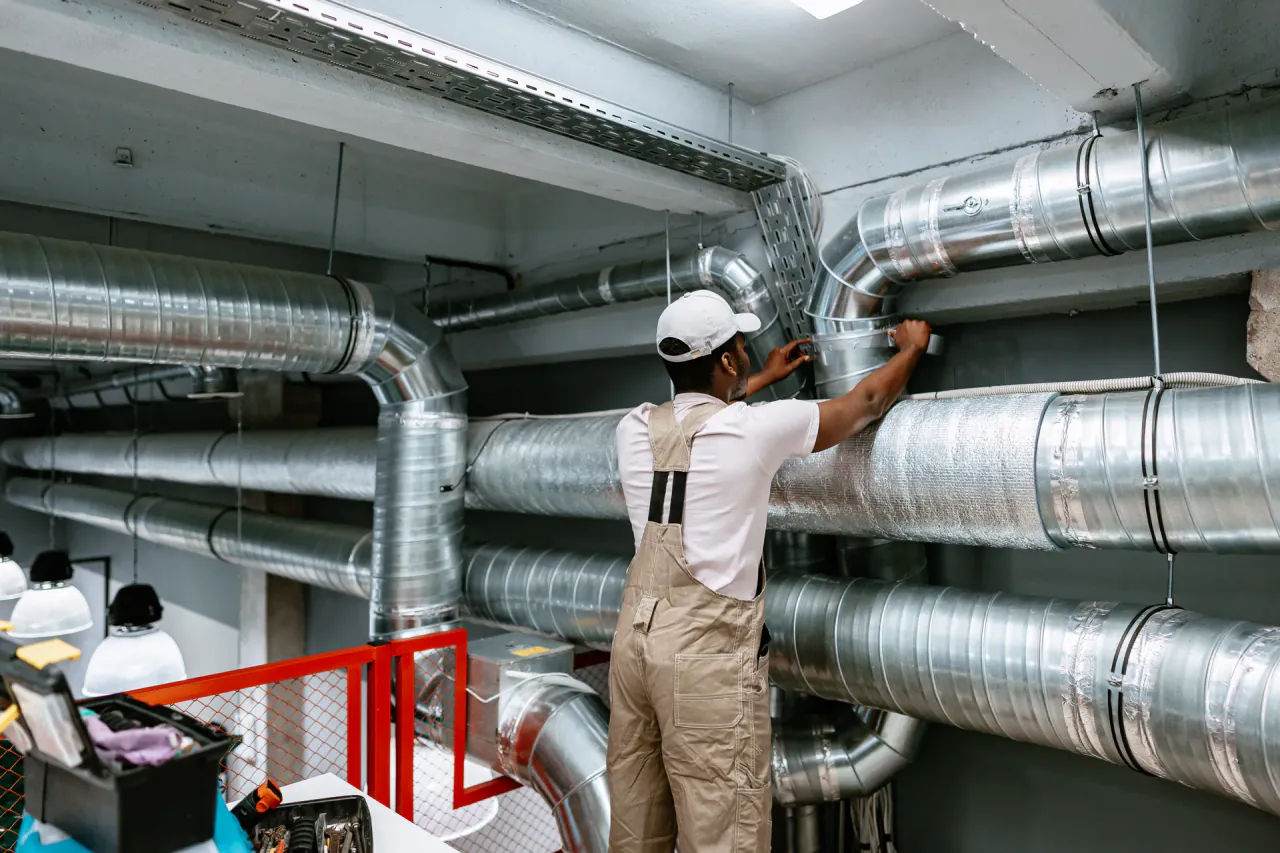
A bona fide subcontractor is a firm that supplies its own labour, tools, materials and supervision. It holds its own liability insurance: public liability, and employers’ liability where it has employees. It is an insurance term rather than a legal one. The opposite is a labour-only subcontractor, who works under your direction and is treated as your employee for insurance. Most contractors’ liability policies assume every bona fide subcontractor is insured. The day a subcontractor’s cover lapses, that assumption fails, and the claim comes to you.
What does bona fide subcontractor mean?
The phrase does not appear in any UK statute. It comes from liability insurance, where it sorts the people working for a contractor into two groups. Insurers price and cover the two differently.
| Point | Bona fide subcontractor | Labour-only subcontractor |
|---|---|---|
| Tools, plant and materials | Supplies its own | Mostly yours, often with its own hand tools |
| Direction and supervision | Its own | Yours |
| How it is paid | Invoices for the job | By the hour, day or week |
| Public and employers' liability | Holds its own public liability, and employers' liability if it employs anyone | Covered under your employers' liability |
| How you declare it to your insurer | Payments to bona fide subcontractors | In your wage roll |
Labour-only subcontractors, including many paid under CIS, are added to your wage roll when you declare to your insurer. Payments to bona fide subcontractors are declared separately and usually rated lower, because the risk sits with their own insurer. Some insurers also cap how much of your turnover can go to bona fide subcontractors.
Labour-only, and employers’ liability
Employers’ liability insurance is compulsory under the Employers’ Liability (Compulsory Insurance) Act 1969. Cover must be at least £5 million for any one occurrence, and most insurers offer £10 million. GOV.UK puts the fine for going without at up to £2,500 for every day uninsured, and £1,000 for not displaying the certificate.
HSE’s guidance is clear that the label does not decide it. Tax status does not matter, and nor does what you call the person. What matters is the real nature of the relationship and the degree of control. Someone self-employed for tax can be your employee for employers’ liability.
The courts take the same view. In Lane v Shire Roofing in 1995, a roofer who was self-employed for tax was held to be an employee for safety purposes. The working test for status is in subcontractor or employee.
The bona fide subcontractor condition
Your own public liability policy covers your legal liability, including liability that arises from work a subcontractor did for you. It does not cover the subcontractor’s own liability. To keep it that way, most contractors’ policies carry a condition about bona fide subcontractors. The wording varies by insurer, and it typically asks three things:
- They hold their own public liability cover, often at a limit no lower than your own.
- Their policy carries an indemnity to principal clause, so it responds to claims made against you for their work.
- You have checked, and can show you checked.
Breach the condition and your insurer may refuse the claim, or pay only part of it. Under-declaring subcontractor payments can let the insurer reduce a claim, depending on the wording, and at the least it means additional premium. Read the condition in your own policy, because it is the one that applies.
The certificate checked at the start of the job proves cover on the day it was checked. Policies renew every year. Jobs often last longer.
When a subcontractor’s insurance lapses
Public liability insurance is not compulsory by law. Subcontracts require it, and a renewal missed in month five of a ten-month job is how a firm ends up working uninsured without anybody deciding to. Nothing on site changes on the day it happens. The difference shows only when something goes wrong.
Say an operative of the subcontractor drops a load and injures a member of the public. The injured person will usually claim against the main contractor, often first. Under the Civil Liability (Contribution) Act 1978, anyone liable for the same damage can then recover a contribution from the others. That right is worth what the subcontractor can pay.
- Insured subcontractor: its insurer meets its share.
- Uninsured but trading: the subcontractor pays from its own funds, if it has them.
- Uninsured and insolvent: the Third Parties (Rights against Insurers) Act 2010 passes rights only against an insurer that covered the liability. With no policy, there is nothing to pass, and the indemnity in your subcontract is worth only what the insolvent estate pays.
Your own policy may then be relied on for more than it was priced for, and your insurer will ask whether the bona fide subcontractor condition was met.
Is there a duty to check a subcontractor’s insurance?
Section 2(4)(b) of the Occupiers’ Liability Act 1957 covers construction, maintenance and repair work handed to an independent contractor. The occupier is not automatically liable for the contractor’s faulty work if it acted reasonably in choosing the contractor. It must also have taken reasonable steps to check the contractor’s competence and the work.
In Bottomley v Todmorden Cricket Club in 2003, the Court of Appeal held the club liable after an uninsured stunt team injured a helper. It accepted that whether a contractor is insured goes to its competence. Six months later, in Naylor v Payling, the same court said there is no free-standing duty to check a contractor’s insurance, save in special circumstances. Between the two, checking cover is the safe course, and the policy condition usually requires it anyway.
Contractors all risks is a different policy
Contractors all risks insurance, also called contract works insurance, covers physical loss of or damage to the works and materials while the job is built. It covers plant where the policy includes it. It does not cover liability to people injured or property damaged. Public and employers’ liability do that. A subcontractor can hold all three, and a lapse in any one is a different problem.
Keeping cover in date
The check at award is the easy part. Keeping cover in date for the length of the job takes four habits:
- Record the expiry date, not just the certificate. Each policy, its insurer, its limit and the day it ends.
- Ask for the renewal before the expiry, not after it. A month ahead is usual.
- Take a subcontractor with expired cover off the approved list until the renewal arrives, with the reason written down.
- Keep the evidence. The record that you checked is what your insurer will ask for.
The full checks to make before a subcontractor starts are in vetting a subcontractor before you instruct them. The wider problem of dates that run out unnoticed is in the certificates that expire without anybody noticing.
In Unibuild, two overnight checks read every subcontractor insurance and certificate expiry date. A subcontractor holding an expired document drops out of approved status overnight, with the reason written on its record. Reminders go out before the expiry, not after it. The policy, its limit and its renewal sit against the subcontractor’s record, so the evidence your insurer asks for is already there.
Policy conditions differ between insurers, and the descriptions of bona fide and labour-only subcontractors here are how insurers commonly use the terms. Check your own policy schedule and wording with your broker. This is general guidance rather than legal or insurance advice.
Sources
Checked against the source rather than against commentary. Where a schedule, a rate or a threshold is definitive on a government site, read it there.
- HSE40: Employers' Liability (Compulsory Insurance) Act 1969, a brief guide for employers Health and Safety Executive
- Employers' Liability (Compulsory Insurance) Act 1969 legislation.gov.uk
- GOV.UK: Employers' liability insurance GOV.UK
- Civil Liability (Contribution) Act 1978, section 1 legislation.gov.uk
- Occupiers' Liability Act 1957, section 2 legislation.gov.uk
- Third Parties (Rights against Insurers) Act 2010, section 1 legislation.gov.uk
- Bottomley v Todmorden Cricket Club [2003] EWCA Civ 1575 caselaw.nationalarchives.gov.uk
- Naylor v Payling [2004] EWCA Civ 560 caselaw.nationalarchives.gov.uk
- GOV.UK: PPN 03/24 standard selection questionnaire GOV.UK
The follow-up questions.
Whether someone is a subcontractor or an employee at all is in subcontractor or employee.
What is a bona fide subcontractor?
What is the difference between bona fide and labour-only subcontractors?
Do subcontractors need their own public liability insurance?
Does my insurance cover my subcontractors?
What happens if a subcontractor’s insurance has expired?
How much employers’ liability insurance do I need?
Should I check a subcontractor’s insurance?
Does Unibuild track subcontractor insurance expiry?
More from Insights.
 Vetting a subcontractor before you instruct themNine checks, what each one is actually protecting you from, and the two that firms skip and then discover matter. Most of it is twenty minutes and free.Read it →
 The certificates that expire without anybody noticingInsurance, cards, plant inspections, training and first aid all run out on different dates, and nothing about your file changes on the day one of them does. What has to watch them.Read it →Subcontractor or employee, and why HMRC may disagreePaying somebody through CIS does not make them self-employed. The tests that decide it, the arrangements that fail them, and the declaration you sign every month saying you have considered it.Read it →
All 4 articles on subcontractors.