
LOLER, and the clock on
every lifting accessory.
Six months for anything that lifts people, twelve for everything else, and a report that has to exist before the next lift. What thorough examination means, and what it is not.
Published ·Updated ·6 min read·Written by Darshan Parmar, Founder
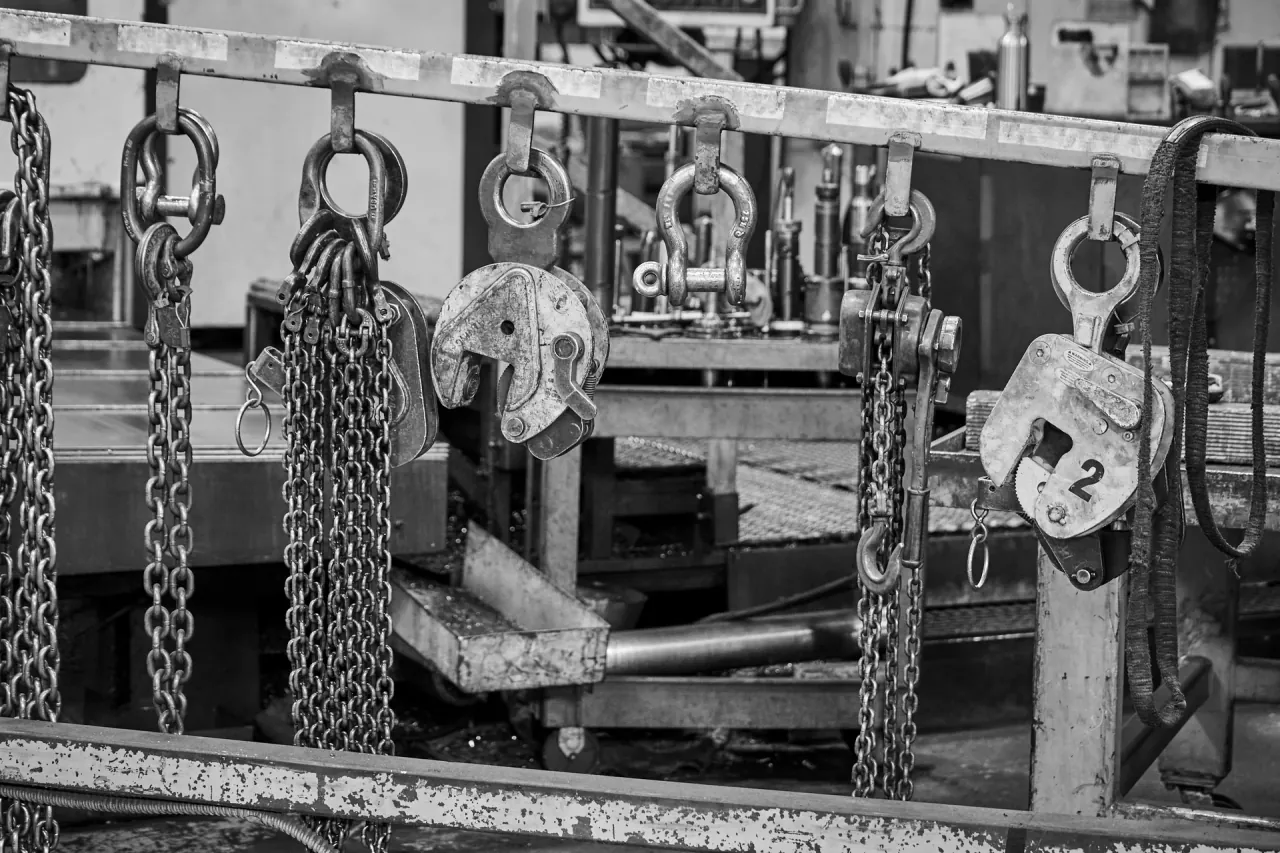
Everybody remembers the crane. The thing that fails a LOLER audit is the sling in the back of a van, bought two years ago, on the clock ever since, with no report anybody can produce.
The intervals, first
This is what people come looking for, so it goes at the top. Under the Lifting Operations and Lifting Equipment Regulations 1998, thorough examination is required at these maximum intervals:
- Six months for lifting equipment used to lift people, and for all lifting accessories.
- Twelve months for all other lifting equipment.
- Or in accordance with an examination scheme drawn up by a competent person, which can set different intervals where that is justified.
The clause that catches firms out is the second half of the first bullet. All lifting accessories means six months, and lifting accessories means slings, chains, shackles, eyebolts, hooks, spreader beams and anything else that connects the load to the machine. A telehandler is on twelve months. The sling hanging on its forks is on six.
The regulations also require examination after installation, after assembly at a new site, and after any exceptional circumstance. A dropped load is an exceptional circumstance.
What thorough examination actually is
A detailed and careful examination by a competent person, with testing where the competent person judges it necessary, aimed at detecting any defect which is or might become dangerous. That is the substance: it is a judgement made by somebody qualified to make it, not a checklist completed by whoever has the clipboard.
Competent means having the practical and theoretical knowledge and experience of the equipment to detect defects and assess their significance. It does not require a particular certificate, and it does require genuine independence of judgement. In practice, for most contractors, it means an insurance company engineer surveyor or a specialist inspection body.
What it is not
Two distinctions do most of the work here, and confusing them is the usual failure.
It is not maintenance. Servicing keeps equipment working. Thorough examination establishes whether it is safe. The same visit can include both, and the report has to be distinguishable, because a service record is not evidence of examination.
It is not a pre-use check. The operator's visual inspection before a lift is a separate and equally necessary control under PUWER, done far more often, recorded far more briefly. Neither replaces the other.
PUWER and LOLER overlap deliberately. PUWER covers all work equipment; LOLER adds requirements specific to lifting. A telehandler is subject to both, which is why it appears twice in most registers and why one of the two entries is usually out of date.
The report, and what has to happen next
The competent person must produce a report of thorough examination. It identifies the equipment, states the date of examination and the date the next one is due, records any defect which is or could become a danger, and says what action is required and by when.
Three obligations follow that are frequently missed:
- Defects that present an existing danger must be notified to the employer immediately, and the equipment taken out of use. Not at the end of the visit. Immediately.
- Certain reports must go to the enforcing authority. Where a defect involves an existing or imminent risk of serious personal injury, the competent person notifies the relevant authority.
- Reports must be kept and available. For equipment, until the next report. For accessories, for two years. And for a report following installation, until you stop using the equipment at that place.
Where firms actually get caught
- Accessories are not on the register. The plant register lists machines. The slings, chains and shackles are consumables in somebody's head, and they are the six-month population.
- Hired-in kit is assumed to be covered. Usually it is, and the report still has to be with the equipment and available to you. Assuming is not the same as holding.
- The date is tracked on the certificate. Which lives in a folder, so the only way to know what is due next month is to read every certificate.
- Nobody records the exceptional circumstance. A load dropped, a machine struck, a device modified. The interval resets and nobody notices because nothing wrote it down.
- The report says action required, and nothing happens. The report is filed as evidence of compliance while containing a defect nobody actioned, which is a considerably worse position than not having examined it at all.
This is an expiry problem before it is anything else, and expiry is what Unibuild's asset and certificate registers do. Plant and accessories sit on the asset register with location, make, model and serial number, so the population being tracked is the real one rather than the machines somebody remembered. Examination reports attach to the asset with the date they were issued and the date the next is due. The nightly job that reads certificate and insurance expiry puts a due date in front of somebody inside a thirty day window rather than after it has passed, which is the same mechanism that demotes a subcontractor carrying lapsed cover. The examination and the judgement of competence stay with the competent person. Unibuild holds the register, the report and the clock.
Where to start, on Monday
Count your lifting accessories. Not your machines, your accessories. Slings, chains, shackles, eyebolts, spreader beams, everything in the racking and everything in the vans. Then count how many appear on a register with a next-due date.
On most yards the first number is considerably larger than the second, and the difference is a six-month population that nobody is tracking on any clock at all.
Examination covers the equipment; the lift itself still needs planning. The free lifting operations risk assessment includes a lift plan page, and the MEWP and forklift and telehandler risk assessments carry the examination checks into the RAMS.
Sources
Checked against the source rather than against commentary. Where a schedule, a rate or a threshold is definitive on a government site, read it there.
- Lifting Operations and Lifting Equipment Regulations 1998 legislation.gov.uk
- Provision and Use of Work Equipment Regulations 1998 legislation.gov.uk
- HSE guidance on lifting equipment Health and Safety Executive
The follow-up questions.
The wider problem of knowing what you own is in knowing what plant you own.
How often is a LOLER thorough examination required?
Do slings and chains need thorough examination?
Does hired lifting equipment need its own examination?
Who can carry out a thorough examination?
Who counts as a competent person for a thorough examination?
What does a report of thorough examination contain?
How long must LOLER reports be kept?
How long must a thorough examination certificate be kept?
What happens if the report finds a dangerous defect?
What happens if equipment is used with an expired examination?
What is the difference between LOLER and PUWER?
More from Insights.
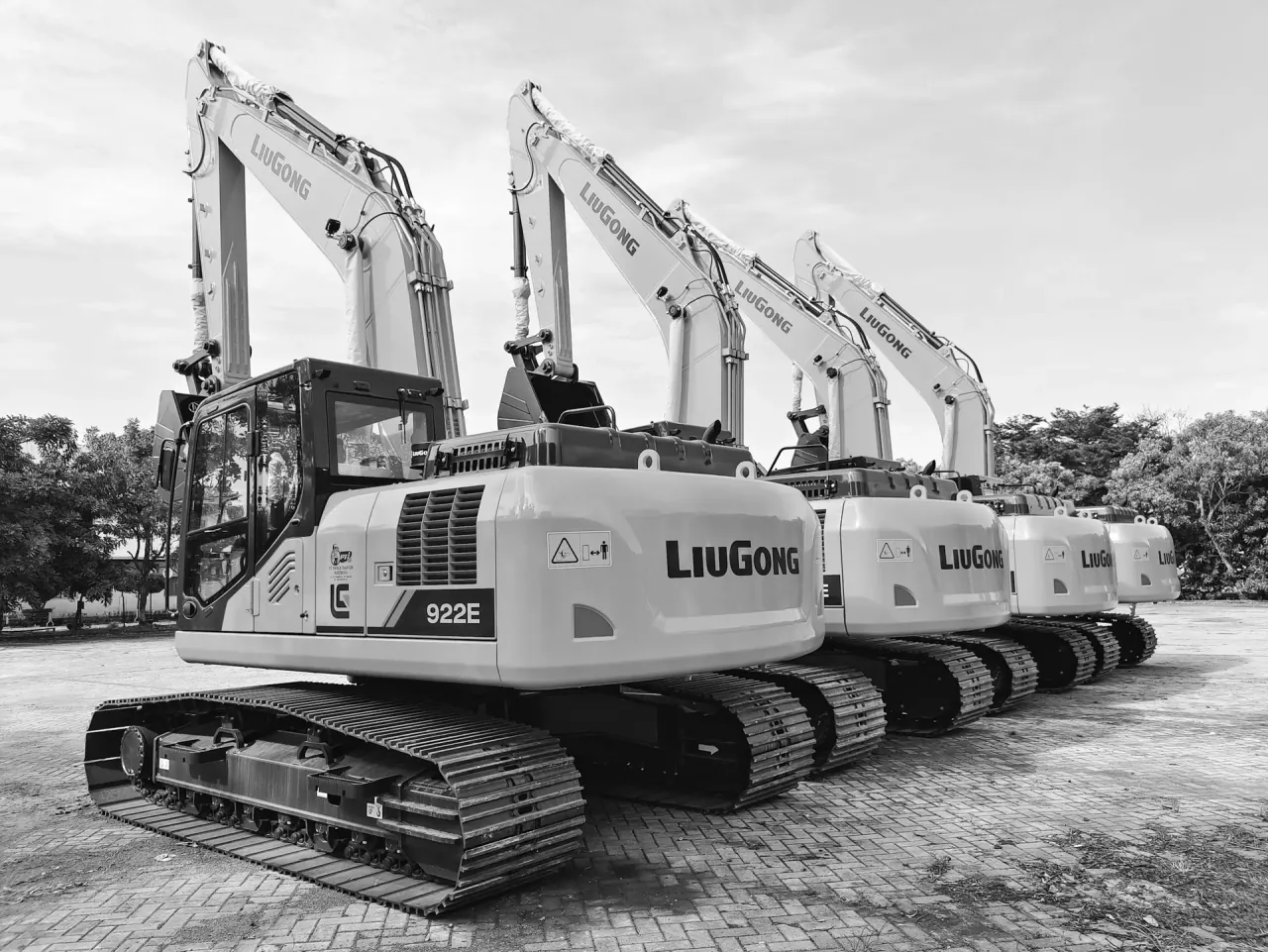 Knowing what plant you own and where it isThe losses are quiet: kit that walks between sites, kit hired because nobody could find the one you have, and kit written off that is still in a container.Read it →
 The certificates that expire without anybody noticingInsurance, cards, plant inspections, training and first aid all run out on different dates, and nothing about your file changes on the day one of them does. What has to watch them.Read it →
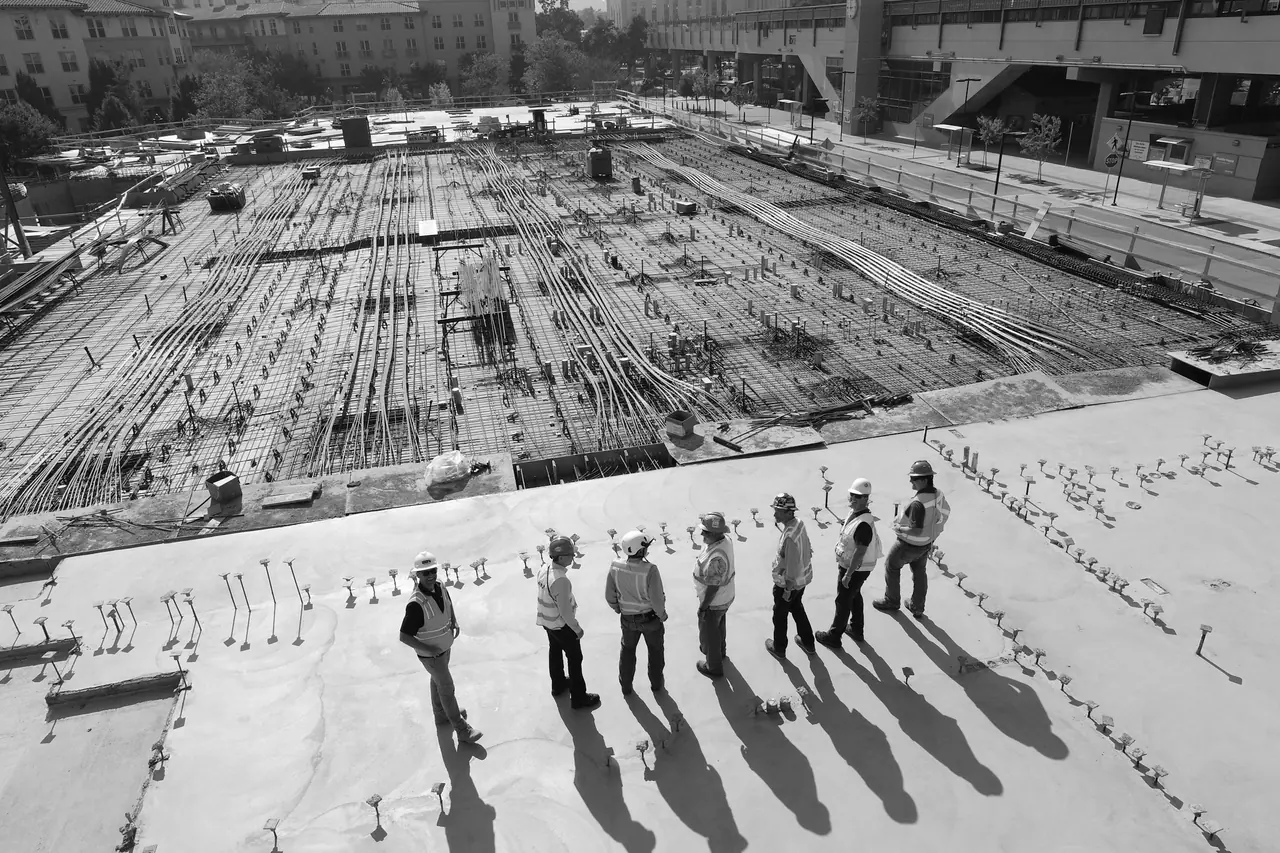 When an HSE inspector turns up on siteWhat they can do, what they ask to see and in what order, what a Notification of Contravention means, and what the visit can cost you at £188 an hour.Read it →
All 6 articles on plant and assets.