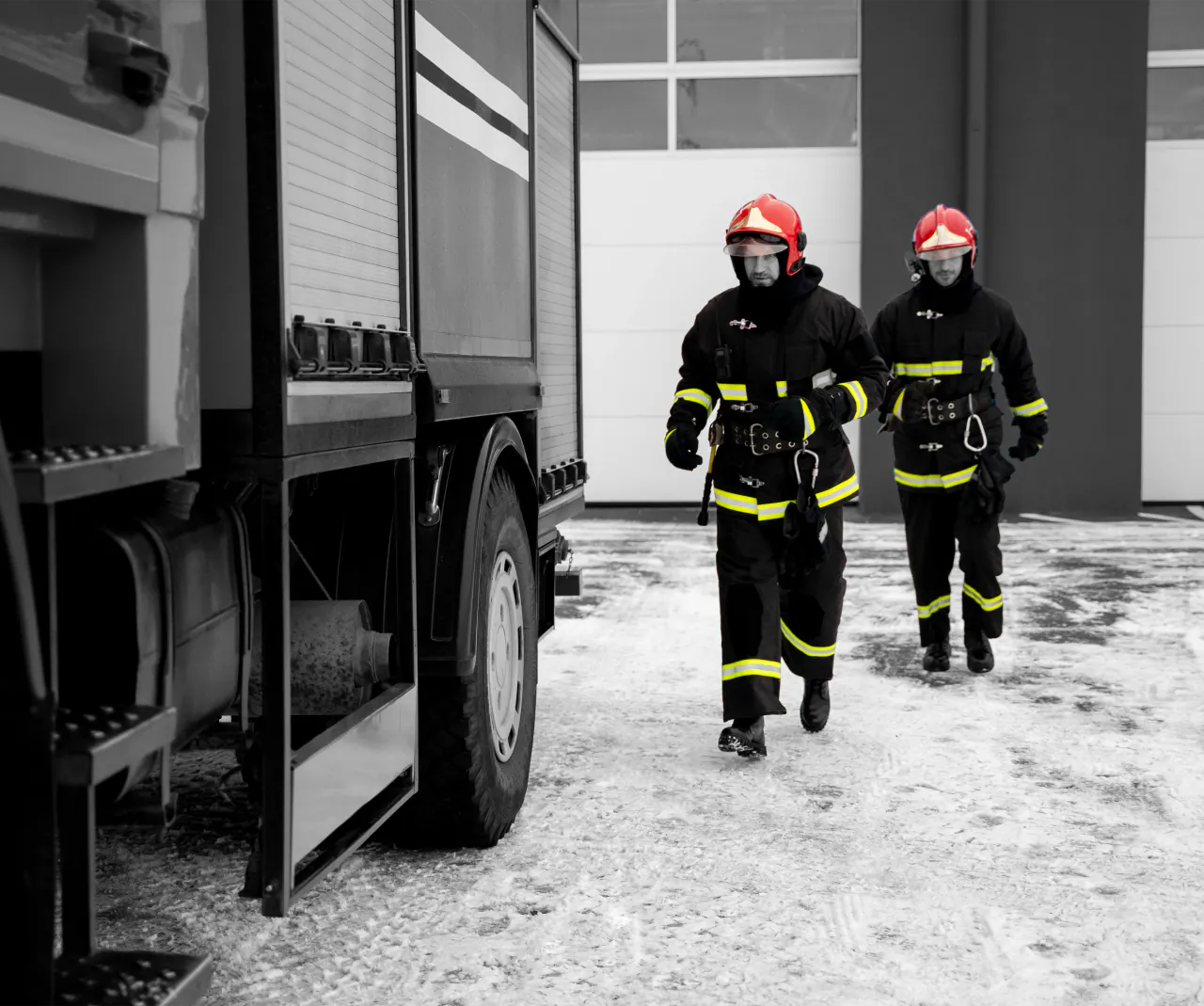
Each penetration photographed, referenced and located before the ceiling closes. Product and batch held against the seal it went into, matched to the tested system. Installer certification held per system rather than per trade. The evidence pack assembled as the work happens rather than in the fortnight before handover. Around thirty modules on one account, and a fire protection firm turns on the handful it needs.
Penetration seals, cavity barriers, fire doors, dampers or intumescent coatings: the system differs, the office side does not.
Sealing the penetration is the part a fire stopping firm already has right. It is the count that defeats people: a single floor can carry hundreds of separate installations, each needing its own photograph, location, product, batch and installer, and each one disappears behind a ceiling within days of being made.
Unibuild is construction management software for UK contractors, built inside a contracting business rather than sold into one. One account carries the labour run, plant and equipment registers, materials and stock, certification and training records, documents, day works, variations and applications for payment.
Built for fire protection
What fire protection requires, and what Unibuild provides.
A fit-out job and a fire stopping job look alike in a database. They stop looking alike at the four hundredth penetration, in front of a third party auditor, and when a building owner asks in year twelve. Each requirement below is followed by what the platform does about it.
The tradeThe platform
Hundreds, not dozens
The unit of work is the penetration, not the floor
A commercial floor can carry several hundred separate seals, each in a different wall or slab, each a different service, each needing to be found again. Recording work by floor or by day loses the only thing anybody will ask about.
Each seal needs a location, a reference and a photograph before it is covered
Services run in bundles, and each bundle is a different detail
A seal recorded as a day's work cannot be located afterwards
Remedials are priced per penetration, not per visit
A record per seal, found by location
Each penetration is its own record against the level and the room, with the reference, the photograph, the product and the installer on it. Finding one again is a lookup rather than a walk round with a torch and a drawing.
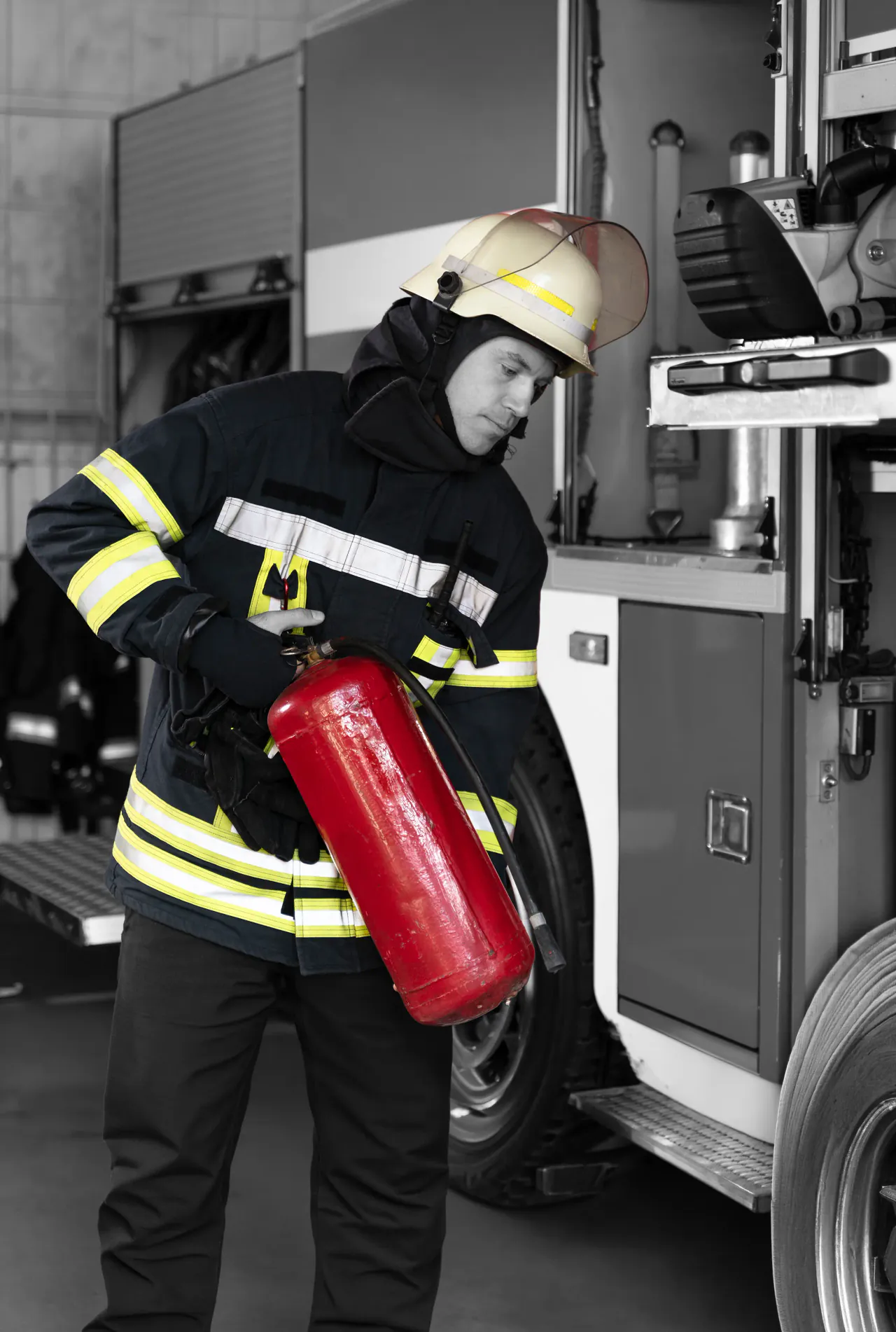
Test evidence covers a complete assembly: this sealant, at this depth, in this substrate, around these services. Substituting one component for something equivalent breaks the assembly the evidence was issued for.
Evidence is issued against a tested system, not a product name
Substrate, aperture size and service type all change the detail
A substitution has to be justified against a field of application
Third party certification is assessed against exactly this
Product and batch held against the seal
The product, the batch and the system reference attach to the penetration record as the work is done, so a substitution is a decision on the record rather than something found during an audit. Materials are held by item with their certificates against the job.
Third party certification schemes assess the firm, but the audit looks at whether the individual who did the work was trained on that system. Manufacturer training is issued per system and expires independently.
Manufacturer training is per system, not a general qualification
Scheme certification is audited by sampling completed work
A new system on a job means new training before it is installed
Cards and scheme registration expire on separate cycles
Competence held per system
Manufacturer system training, card schemes and third party certification sit on one matrix per person, turning amber before they lapse. Who was trained on which system is a filter rather than a conversation with a supervisor.
A seal is visible from the moment it is made until the ceiling grid goes in, which on a fast programme is a matter of days. After that the only account of it is the photograph somebody took at the time.
A ceiling closes before the inspection is arranged
Other trades cut back through completed seals to run late services
A missed photograph means opening the ceiling again
Retrospective inspection is charged to somebody, usually you
Photographed where the work is
The photograph is taken on the phone against the penetration record at the moment the seal is made, with the date and the person on it. Nothing depends on a photograph reaching an office from somebody's camera roll.
Since the Building Safety Act the record of what was installed in a higher risk building is a duty rather than good practice, and it is handed on to whoever operates the building afterwards.
The golden thread follows the building, not the contract
Regulation 38 information is handed over at completion
A gap in the record is a gap in somebody else's duty
The question is asked years later, by people who were not there
The pack assembled as you go
Records, photographs, product certificates and sign offs attach to the level and the building as the work happens, so handover is a retrieval rather than a fortnight of assembling folders. The duty stays with the duty holder; the evidence is simply there.
FIRAS, IFC and similar schemes audit by visiting live sites and sampling completed installations against the records you hold. Losing the certification removes you from tender lists rather than costing you one job.
Auditors pick the site and the seals, not you
Records have to be produced during the visit, not afterwards
Installer competence is checked against the specific work sampled
The certification is what puts you on the framework in the first place
Any seal produced on demand
A sampled penetration is retrieved by its reference with its photograph, product, batch, date and installer attached. The audit becomes a lookup on a phone in a corridor rather than a search through folders back at the office.
Counted in the deployment Unibuild was built on, July 2026: one expiry page carrying 376 assets, 141 subcontractor certificates, 84 accreditations, 80 health assessments, 55 instruments and 9 vehicles.
Penetration seals
Batts and coated boards
Mastics and sealants
Cavity barriers
Fire doors and ironmongery
Dampers and ductwork
Intumescent coatings
Certificates and evidence
The week
An ordinary week, and the record it leaves.
Six entries from a fire protection contractor's day book. Nothing here asks anybody to remember something at five o'clock on a Friday.
Level six, Tuesday
Forty penetrations go in. Each one is recorded where it is made, with its reference, location, product, batch and a photograph, before the ceiling grid arrives.
Each one findable
The delivery
Batts and sealant arrive for the north core. Their certificates attach to the job as they are booked in, matched to the system reference on the detail.
Filed on arrival
Wednesday
A service is added late and cut back through a completed seal. The remedial is raised against the original penetration record rather than logged as a new visit.
Priced as a remedial
At the gate
The principal contractor asks which installers are trained on this manufacturer's system. The matrix answers it by name, in date.
Cleared to install
The audit
A scheme auditor picks eleven seals at random. Each is retrieved by its reference with photograph, product, batch and installer attached.
Produced in the corridor
Year twelve
The building owner asks for the record of the compartment line on level six. It is retrieved by level rather than reassembled from drives.
Handed over intact
What it must do
Eight requirements, and an honest answer to each.
In a ceiling void, on a step ladder, gloved and often with no signal, in two taps rather than ten. A system that cannot meet these eight gets abandoned inside a month, and that is a failure of design rather than of discipline. Unibuild is around thirty modules on one account, and a fire protection firm turns on a handful.
Gloved, in a void, with no signal
The field app carries 24 modules on the phone, granted per person, so an installer sees the three things they need and nothing else. Clock in is a QR scan at the gate. The design constraint throughout was a cold morning and a gloved hand, because a system that takes a minute per seal does not survive four hundred of them.
A record per penetration, located and referenced
Project and site management holds the site diary, drawings, day works and dated photographs against the job and the level, so a seal is an entry with a reference and a location rather than a line on a daily sheet.
Product and batch tied to the work
Assets and inventory holds materials by item with an append only ledger, and their certificates sit with the job they were used on, so the assembly that was installed can be shown to match the assembly that was tested.
Competence held per system, not per trade
The training matrix holds manufacturer system training, card schemes and scheme registration against the person, banded amber inside ninety days and red once passed. Who can install which system is a filter rather than a phone call.
Photographs taken where the work is
Dated photographs attach to the penetration on the phone at the moment the seal is made. Nothing depends on images reaching the office from a camera roll, which is the step that fails on a job with four hundred of them.
Evidence produced during the audit, not after it
Documents and certificates holds records, certificates and sign offs against the level and the building with an audit trail on each document, and issues 58 document types on your own letterhead.
Remedials priced against the original seal
Variations and day works are raised on site against the penetration that was cut back, with photographs and a signature, so a remedial is a priced record rather than an argument about who ran the cable.
Priced per business, not per installer
Users are unlimited on every plan. Installers, supervisors, the QS and the directors all sit on the same price, so putting six more people on a tower for eight weeks does not change the bill. Pricing is set against the size and shape of the business rather than published as a rate card, and the pricing page explains how that is worked out.
Governing clauseIf it takes longer than a photograph and a good memory, it will lose to the photograph.
Site noticeWhere it stops
Four things Unibuild does not do today.
Every one of these has been asked for by a fire protection firm on a demonstration. They are published here rather than discovered in week three.
Barcode or tag scanning per penetration
Penetrations are recorded with a reference, a location and photographs, and QR labels exist for assets. There is no purpose built tagging workflow where a physical label on each seal is scanned to open its record, which is how some dedicated fire stopping products work.
A drawing based penetration viewer
Records are held against the level and the room and are found by reference and by search. They are not plotted on a floor plan, so there is no clickable drawing showing every seal on a level. Drawings are held as documents against the job.
Assessment of a substitution against test evidence
Product, batch and system references are recorded against the seal. The platform does not hold manufacturer test evidence, check a field of application, or tell you whether a substitution is acceptable. That judgement stays with your technical team.
Scheme certification submissions
Records are retrievable during an audit and exportable afterwards. There is no integration with FIRAS, IFC or any other certification scheme, and nothing is submitted to them automatically.
Why this is hereHiding the gaps wastes both our afternoons. Ask about all four.
The stores
Materials schedule
The stores and the site, and the quirk in each line that breaks ordinary inventory software. Written for the trade rather than for any one firm. Most fire protection contractors will recognise seven or eight of these lines and ignore the rest.
What a UK fire protection contractor holds, and the tracking quirk in each line
Key
Category
Typical items
The tracking quirk
Sealants and mastics
Acrylic and silicone intumescent sealants, graphite mastics, foams, backing materials
Shelf life is real and short, and a tube out of date invalidates the assembly rather than merely performing badly
Batts and coated boards
Mineral wool batts in several densities, ablative coating, fire boards, collars and wraps
Held by system rather than by material. Two visually identical batts from different manufacturers are not interchangeable
Penetration components
Pipe collars, wraps, sleeves, cable transits, mortar and compound
Sized per service diameter, so the item count multiplies by every service size on the job
Cavity barriers
Open and closed state barriers, ventilated barriers, membranes, fixings
Made for a specific cavity width and a specific wall build up, and not stock in any useful sense
Each doorset carries its own certification and a label. Ironmongery substitutions are the most common cause of a failed inspection
Dampers and ductwork
Fire and smoke dampers, actuators, access panels, duct wrap
Installed by one trade, commissioned by another and inspected by a third, so the record has to survive three handovers
Intumescent coatings
Structural steel coatings, primers, top coats, thickness gauges
Applied to a specified dry film thickness and measured, so the record is a set of readings rather than a delivery note
Access and small plant
Podiums, step ladders, towers, dust extraction, hand tools
Inspected and tagged, and the item most likely to be borrowed by another trade on a busy floor
Certificates and evidence
System certificates, product declarations, installer training records, photographs, sign offs
Not stock, but the deliverable. Each item attaches to a penetration, a level or a building rather than to a folder
Regulations
The regimes you work under
No trade in UK construction has been rewritten as heavily as this one, and almost none of the change is about how a seal is made. It is about who made it, what it was made from, and whether any of that can be shown years later. This is the reference version, kept factual.
What each regime asks of a fire protection contractor
Regime
What it requires
Building Safety Act 2022 and the golden thread
For higher risk buildings the information about what was installed has to be created, kept and handed on in a structured, accessible form, and it follows the building rather than the contract. Fire stopping is one of the elements this was written about.
Regulation 38 of the Building Regulations
Fire safety information has to be given to the responsible person at completion, in a form they can use to operate and maintain the building. Passive fire protection records form a substantial part of that handover pack.
Fire Safety (England) Regulations 2022
Responsible persons for higher rise residential buildings have duties to provide information about the design and materials of external walls and to check fire doors. Those duties can only be discharged from records that somebody created during construction.
Third party certification schemes
FIRAS, IFC Certification, BM TRADA Q-Mark and LPCB assess the firm, its systems and its installers, and audit by sampling completed installations on live sites. Certification is what puts a contractor on most tender lists for this work.
Test evidence and field of application
Products are tested as complete assemblies to standards in the BS 476 and BS EN 1366 series, and the resulting classification applies to that assembly. A field of application document sets out how far the tested arrangement can be varied, and outside it the evidence does not apply.
Approved Document B
The guidance on fire safety sets the compartmentation strategy the work exists to maintain, including the periods of fire resistance required and the treatment of openings and services passing through compartment lines.
CDM 2015 and RIDDOR 2013
Fire protection contractors are contractors under CDM with duties around planning and cooperation, and often work as one of many trades in the same ceiling void. Specified injuries, dangerous occurrences and over seven day injuries are reportable.
COSHH 2002
Intumescent products, solvents, primers and the dust from cutting boards and mineral wool all carry assessments and controls. Several products also carry storage temperature conditions and a shelf life that quietly makes stock unusable.
Questions
Requests for information
The questions fire protection firms actually raise on a demonstration, answered on the record. Open one to read the response.
The marketWhat software do UK fire stopping contractors use?+
The market splits. There are dedicated passive fire protection apps that record penetrations and produce evidence packs but do not run a business, and there are job management systems that run a business but have no concept of a penetration. Unibuild sits in the second group, with the record made against the job and the level. If tagging every seal is the whole requirement, say so early and we will be straight with you.
PenetrationsCan it hold a record for every individual seal?+
Yes. Each penetration is an entry against the job, the level and the room, carrying its reference, product, batch, installer, date and photographs. What it does not do is plot them on a floor plan or drive the workflow from a physical tag on each seal, which is set out in the site notice above.
PhotographsHow do the photographs get onto the record?+
They are taken on the phone against the penetration at the moment the seal is made, with the date and the person captured with them. That matters on this trade more than most, because the step that fails everywhere else is images sitting in a camera roll that never reach the office.
CompetenceCan it hold manufacturer system training per installer?+
Yes, and it is one of the strongest fits for this trade. Every system training record, card and scheme registration sits against the person on one grid, turning amber before it lapses. Who is trained on which system becomes a filter when you are building a gang rather than a question for a supervisor.
AdoptionWill installers actually use it on four hundred seals?+
Only if the record takes seconds. The realistic answer is to grant each installer three things on the phone, clock in, the penetration record with its photograph, and RAMS acceptance, and leave everything else to the office. If it takes a minute a seal, it will not survive the first floor and no amount of policy will save it.
HandoverDoes it produce the evidence pack at completion?+
It holds the records, photographs, certificates and sign offs against the level and the building throughout, and issues documents on your own letterhead, so handover is a retrieval rather than a fortnight of assembly. It does not produce a scheme specific report format, and that is worth checking against what your client asks for.
SubstitutionsWill it stop somebody using the wrong product?+
No, and that is worth saying plainly. It records the product, the batch and the system reference against the seal, so a substitution is visible and dated. Deciding whether that substitution is acceptable against the test evidence stays with your technical team, because that judgement should not sit in software.
PricingHow is it priced, and do you charge per installer?+
Users are unlimited and the price does not change when you take people on, which matters on a trade that surges onto a tower for eight weeks. There is no published rate card, because a ten person firm running three modules and a seventy person firm running twenty are not the same product. Pricing is worked out on the demonstration.
SignalWhat happens when there is no signal in a core?+
The field app is built for patchy coverage, which in a concrete core or a basement is the normal condition rather than an edge case. Test it on your worst floor rather than your best one, because that is the floor that decides whether the data is trustworthy six months later.
RolloutDo we have to move everything across at once?+
No, and it is usually a poor idea. Most fire protection firms start with the penetration record and the photographs, because that is the deliverable, and add competence and materials once the first is habit. Trying to move everything in month one is the most reliable way to kill the project.
Return slip
Come and try it on your own level.
Half an hour, on your own project and your own systems. Bring one level's worth of penetrations and we will set it up in front of you. We will be direct about the tagging question rather than selling around it.