
For joinery and carpentry contractors

Plot by plot,
and door by door.

Joinery contractor software that values first and second fix by plot and stage, and pays gangs on the agreed rates with CIS handled. Every fire door sits on its own record. The workshop's machines, extraction and training stay in date on the same account.

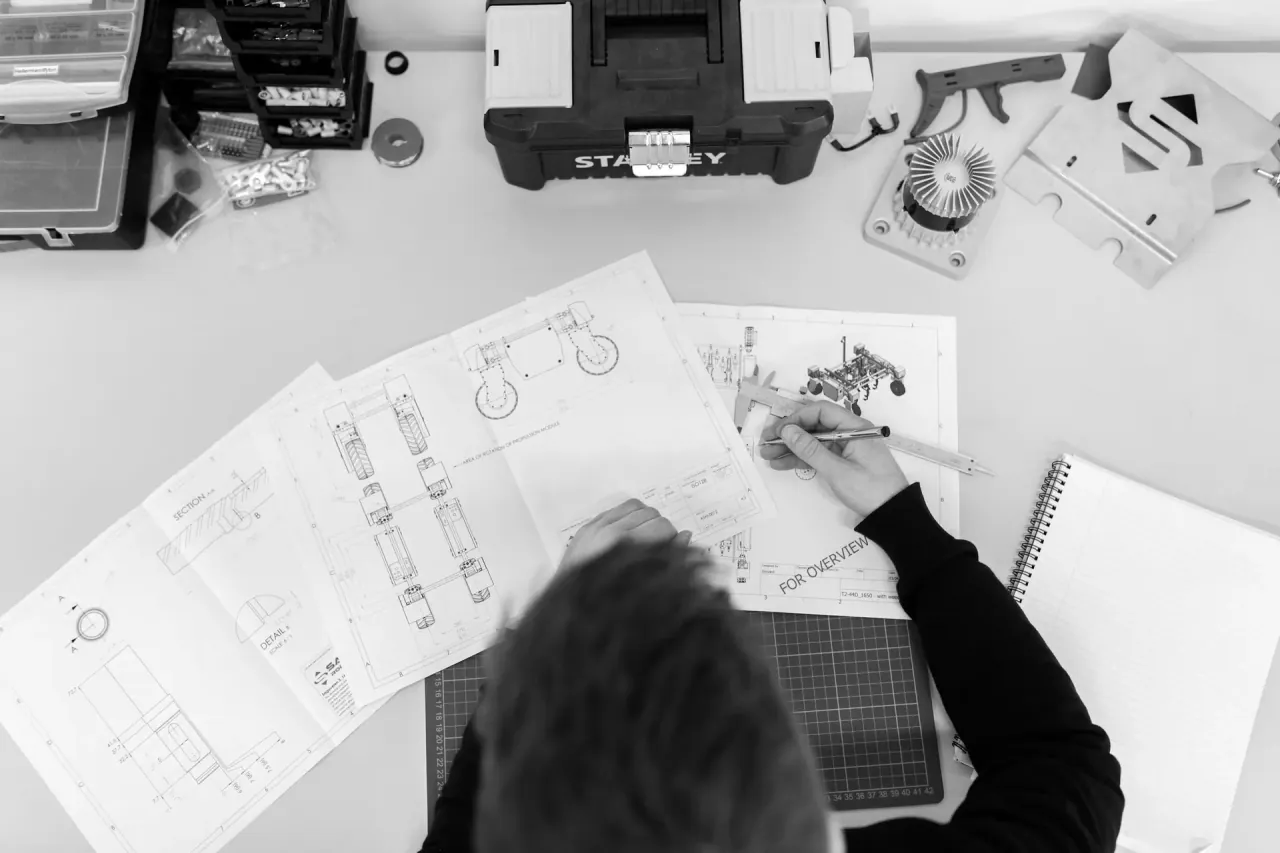
Setting out drawings and a toolbox on a workbench
The office side

From the first fix to
the last door signed off.

Gangs on a housing development, fire doors across a block of flats, or a bench shop making staircases: the work differs, the office side does not.

  1. Hanging a door or running a staircase is the part a joinery firm already does well. The money is lost around it. A stage done but not signed off is not paid, and a fire door hung without its record is a door somebody has to open up again.

  2. Unibuild is bespoke construction management software for UK contractors: a platform in daily production since 2016, shaped to the way each firm already works. One account carries the labour run, measured valuations, subcontract payments and CIS, fire door records, snagging, competence, the workshop's machines and applications for payment.

Built for joinery

What joinery and carpentry work requires,
and what Unibuild provides.

On a housing site a joiner is paid by the plot, not the hour. On a fire door contract every leaf is a record. Each requirement is followed by what the platform does about it.

Priced by the plot

First and second fix are paid by house type and stage

A housebuilder prices joinery per plot, split into stages: joists and floors, stud walls, roof, stairs and linings at first fix, then doors, skirting, architrave and kitchens at second. Each stage is paid when the site manager signs it off.

  • A rate per house type and per stage
  • Extras and remedials priced separately, if anybody writes them down
  • Signed off stages are the only ones that get paid
  • Twenty plots at different stages make a valuation by memory impossible
Measured per plot, priced on the agreed rates

Rate valuations captures each completed stage on the phone, prices it from the job rate card, caps it against the estimate and gets it signed before anyone leaves the plot. Extras are raised as onsite quotes and variations against the same job.
Labour-only, paid weekly

Most gangs are subcontractors under CIS

Joinery is one of the trades most often worked labour-only. Every gang needs its UTR verified, the right deduction taken on the labour element, a statement issued and the insurance checked before it starts.

  • Gangs paid per plot, per stage or on day rate
  • Deductions at the verified rate, never assumed
  • Statements issued each tax month
  • A lapsed insurance should stop a gang before it reaches site
Verified, deducted and stated by tax month

Financial management carries each subcontractor's UTR, verification reference and deduction rate, takes deductions on the labour element only and closes each HMRC tax month into a return pack. Subcontractor management drops a gang whose cover lapses out of approved status overnight.

Every leaf a record

A fire door is only as good as its installation

A fire door is a tested assembly, installed to the manufacturer's certified instructions. Gaps, hinges, intumescent seals, ironmongery and the certification label are all part of it, and third party installer schemes audit the evidence.

  • BS 8214 is the code of practice for timber based fire door assemblies
  • Schemes such as BM TRADA Q-Mark and FIRAS certify installers
  • Over 11 metres, communal fire doors are checked quarterly and flat entrance doors annually
  • A door without its record is a door that fails the next inspection
Every door labelled and on its own record

Fire doors and fire assets holds each door on its own record with its label, location and photographs. The record of maintenance or repair is completed at the door and signed on the phone, and your client opens the certificate from their own login.

The bench shop

Woodworking machinery carries its own regime

Saws, planers, spindle moulders and CNC routers are covered by PUWER and its woodworking approved code of practice. Wood dust is controlled under COSHH, and the extraction that controls it is thoroughly examined and tested at least every fourteen months.

  • Machinists are trained and authorised per machine
  • Hardwood dust is a carcinogen with a workplace exposure limit
  • The LEV test report is the first document an inspector asks for
  • Power tools bring hand arm vibration exposure and health surveillance
Machines, extraction and training on dated records

Assets and inventory holds each machine and the extraction system with its inspection and service history. The training matrix records who is authorised on which machine, and health surveillance records carry their own dates.

The plot is not finished until it is snagged

Snags arrive after the gang has moved on

Second fix is inspected by the site manager, the warranty inspector and eventually the buyer. Snags come back in batches, weeks after the gang left the plot, and each one is a return visit nobody priced.

  • Snags raised by the client, the inspector and your own supervisor
  • Each tied to a plot, a room and a photograph
  • Closed out with a photograph of the fix
  • Snags caused by other trades are a separate conversation
Raised on site, assigned, chased to close-out

Snagging and defects are raised on the phone with photographs, assigned to a gang against the plot and closed out with a photograph of the fix. A snag caused by another trade is photographed as such rather than argued from memory.

The week

An ordinary week in a joinery firm,
and the record it leaves.

Six entries from a joinery contractor's day book, each ending in a record rather than a reminder.

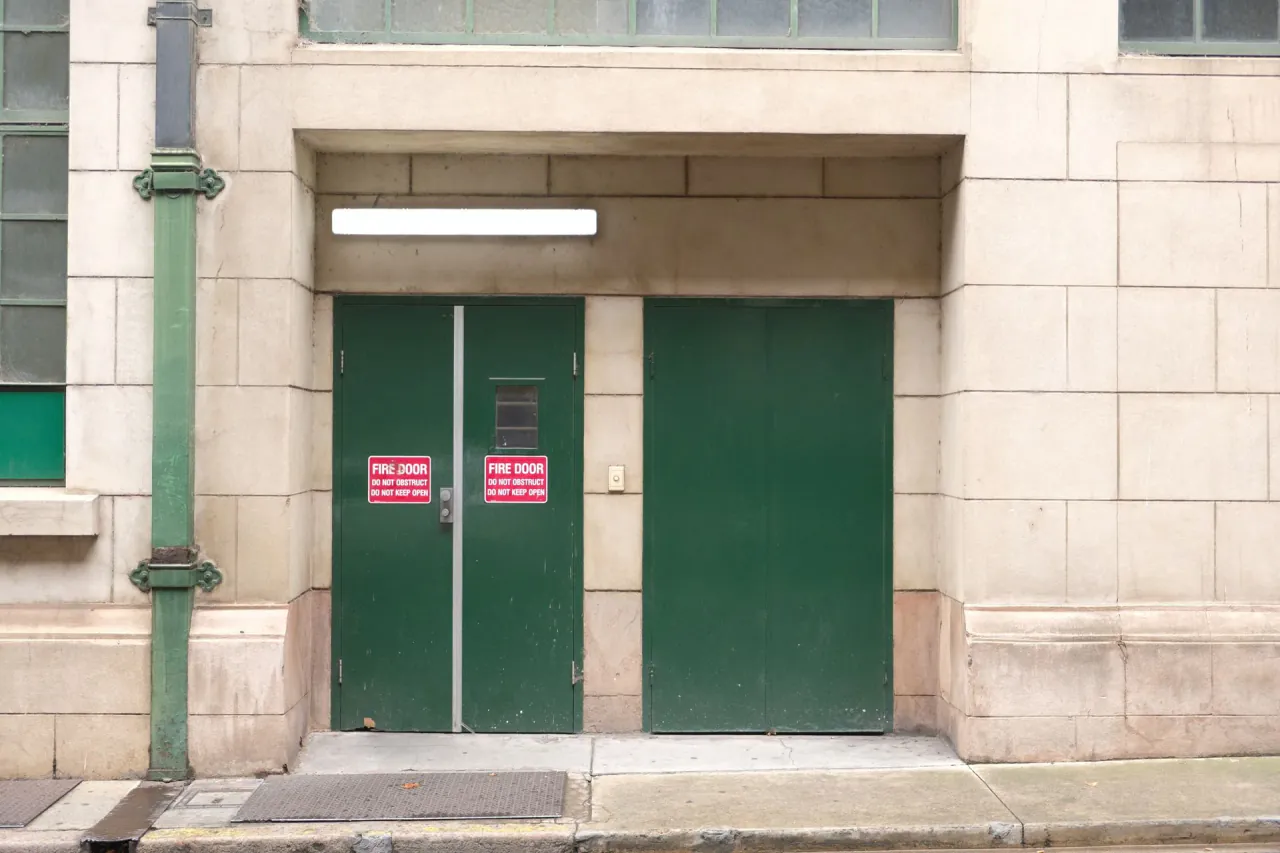
A pair of green fire doors with keep clear signage
Monday, the gate

Four gangs clock in by scanning the poster at the site gate. The hours land against the development, and nobody rings round for timesheets on Friday.

Hours on the job
Tuesday, plot 14

First fix is complete. The stage is captured on the phone, priced from the house type rate and signed by the site manager on screen.

Stage signed off
Wednesday, the block

Twenty flat entrance doors are hung. Each door's label, gaps and ironmongery are photographed and recorded against that door before the gang moves floor.

Every door evidenced
Thursday, the workshop

The extraction system's examination falls due next month. It surfaced thirty days out, and the engineer is booked.

Tested before it lapsed
Friday, the office

Signed stages become the gangs' valuations. Deductions are taken at the verified rates and the housebuilder's application is built from the same signed stages.

Paid on what was signed
Three weeks later

The warranty inspection raises six snags on plot 14. Each is assigned with its photograph, two are photographed as another trade's damage, and all six close with evidence.

Closed with a photograph
Your system, your app

Shaped to your firm,
published under your name

Anything a firm needs is built for it, and changes asked for after go-live are included in the monthly fee. See how bespoke construction software works at Unibuild.

  • Your rate schedulesYour house types, your stage splits and your fire door checklist are set up the way your firm already prices and works. Nobody relearns the job to suit the software.
  • A working startThe build starts from a working platform rather than an empty screen. A firm gets the fit of a bespoke system without the cost, the timescale or the risk of commissioning one from scratch.
  • Your app on the storesYour staff app is published on the App Store and Google Play under your company's own name and icon. The joiner at the gate scans with your firm's app, not ours. How the branded staff app works.
  • Your letterheadThe office portal carries your name, logo and colours, fifty-eight document types generate on your own letterhead, and the QR clock-in posters are printed in your branding.
The stores

What a joinery and
carpentry firm holds

The workshop, the vans and the materials delivered plot by plot, and the quirk in each line that breaks ordinary inventory software.

What a UK joinery and carpentry contractor holds, and the tracking quirk in each line
CategoryTypical itemsThe tracking quirk
Timber and sheetStudwork, joists, sheet materials, mouldings, hardwood for the bench shopOften bought by the housebuilder and fixed by you, so the quantity that matters is what was used per plot rather than what you own
Doorsets and fire doorsInternal doors, fire doorsets, frames, linings, glazing kitsA fire door is a certified assembly, and its label and schedule reference belong on the record of the opening it went into
IronmongeryHinges, closers, locks, handles, intumescent seals and smoke sealsIronmongery on a fire door must match the tested assembly, so a substitute hinge is a compliance question, not a stock one
Workshop machineryPanel saws, planers, spindle moulders, CNC routers, dust extractionEach machine carries training, guarding and maintenance records, and the extraction has its own statutory test
Power toolsMitre saws, nailers, routers, planers, drills, battery packsCarried by the gang, lent across plots, and each one has a vibration value that feeds somebody's daily exposure
AccessHop-ups, podiums, towers, trestles, stair void protectionInspected before use and moved plot to plot without anybody booking it out
VansVans with racking and roof barsThe van carries the gang's own tools as well as the firm's, so ownership has to be recorded before a loss, not after
RecordsStage sign-offs, fire door records, snag lists, installation evidenceNot stock, but what the valuation and the fire door inspection are argued on, and each belongs to a plot or an opening
Regulations

The regimes a joinery and
carpentry firm works under

Payment rules on site, fire safety on the door and machinery rules in the workshop. The reference version, kept factual.

What each regime asks of a joinery and carpentry contractor
RegimeWhat it requires
Construction Industry Scheme and the VAT reverse chargeSubcontractors are verified with HMRC before they are paid, deductions are taken at the verified rate on the labour element, and a monthly return and statements follow. The domestic reverse charge for VAT applies to most business to business construction supplies.
Fire Safety (England) Regulations 2022This applies to residential buildings over 11 metres with two or more sets of domestic premises. Communal fire doors are checked at least every three months, and flat entrance doors every twelve on a best endeavours basis.
BS 8214 and installer certificationThe code of practice for timber based fire door assemblies. Doors are installed to the certified instructions for the assembly, and third party schemes such as BM TRADA Q-Mark and FIRAS certify installers on documented evidence.
PUWER 1998 and ACOP L114Work equipment is suitable, maintained and guarded, and people using it are trained. The approved code of practice for woodworking machinery sets out training and safe use for each machine type.
COSHH and wood dustWood dust is a hazardous substance with workplace exposure limits, and hardwood dust can cause cancer. Local exhaust ventilation is thoroughly examined and tested at least every fourteen months, and the record is kept.
Control of Vibration at Work Regulations 2005Exposure to hand arm vibration is assessed and controlled against the exposure action and limit values, with health surveillance for those at risk.
CDM 2015 and Building RegulationsSite work sits under CDM. Stairs, guarding and balustrades are set by Part K, and fire doors form part of the fire strategy under Part B.
On the record

Questions joinery and
carpentry firms ask

The questions joinery contractors raise on a demonstration, answered on the record.

The marketWhat is the best software for a UK joinery contractor?
The right system values work by plot and stage, pays gangs with CIS handled, and keeps fire doors and workshop records in date. Unibuild does all of that on one account. Stages are signed on the phone and priced from your rates, and the same signed stages build the application to the main contractor.
Plot ratesCan it value first and second fix by plot and house type?
Yes. Each house type carries its rates by stage, and each completed stage is captured on the phone against the plot, priced and signed by the site manager. The valuation is the sum of signed stages, so a plot is never paid twice or missed.
CISDoes it handle CIS for labour-only gangs?
Yes. Each subcontractor carries their UTR, verification reference and deduction rate. Deductions are taken on the labour element only, statements issue within the deadline, and each HMRC tax month closes into a return pack ready for your accountant to file.
Fire doorsCan it keep a record for every fire door we install?
Yes. Every door is labelled and held on its own record with its location, photographs, certification label and the work done to it, signed on the phone. The building's owner can be given read only access to the register through the client portal.
Clocking inCan joiners clock in on site with their phones?
Yes. They scan a numbered QR poster at the site gate, and the time is written by the server with a photograph and location. The hours land against the job, so a day rate gang is paid on recorded time rather than a sheet written up on Friday.
PricingHow is it priced, and do you charge per joiner?
No. One monthly figure covers everything, with unlimited users on every plan, and it is quoted in writing, usually the same working day. It is sized to the firm when quoted and fixed for three years, and taking on more people never changes the fee. Configuration, training and data migration are included, and most firms go live in about two weeks, in phases.
Neighbouring tradesWe also do fire stopping and fit-out. Which page is ours?
This page is the joinery package: first and second fix, doorsets and fire doors, and the bench shop. Passive fire stopping sits on fire protection contractors, and interior main contracting on shopfitting and fit-out. Firms doing all three run them on one account.
Other trades

Not quite your
line of work?

The same platform, written for the trade that runs it.
Each of these is a different set of modules
switched on rather than a different product.
Every one is shaped to the firm's own process,
with its own app under its own name.

Other trades
Return slip

Half an hour, on your own plots.

Bring one house type's rates and one gang's last valuation. We will set up the stages and value a plot in front of you on the call.

Bring
One house type's rates and one valuation
Takes
30 minutes
Phone, UK hours
+44 7587 557546