













For plant hire companies

Your whole balance sheet
is parked on somebody
else's site.

Every machine you own is earning somewhere you cannot see it, on its own examination clock, until a job ends and nobody tells you. The register, the thorough examinations, the damage, the transport and the service history are the business. Around thirty modules on one account, and a hire company turns on the handful it needs.

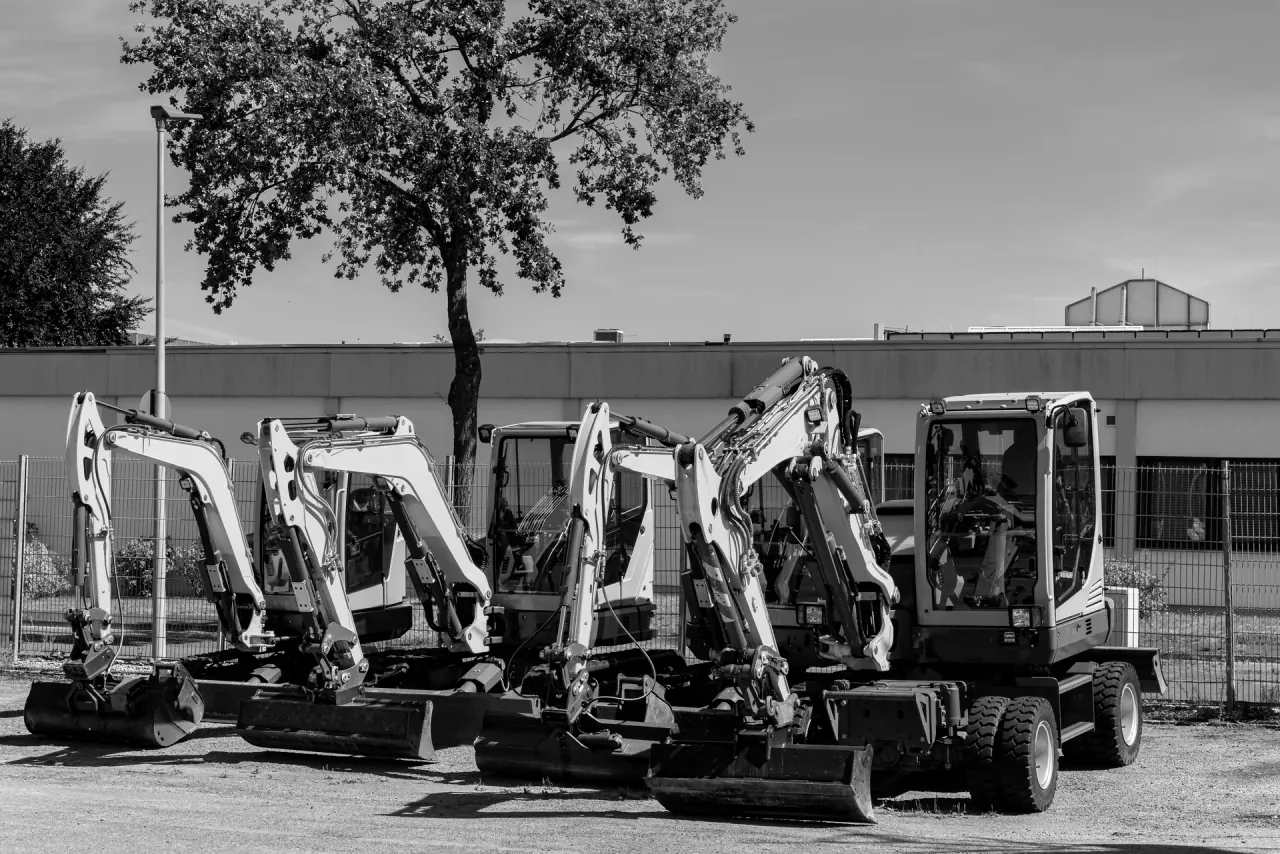
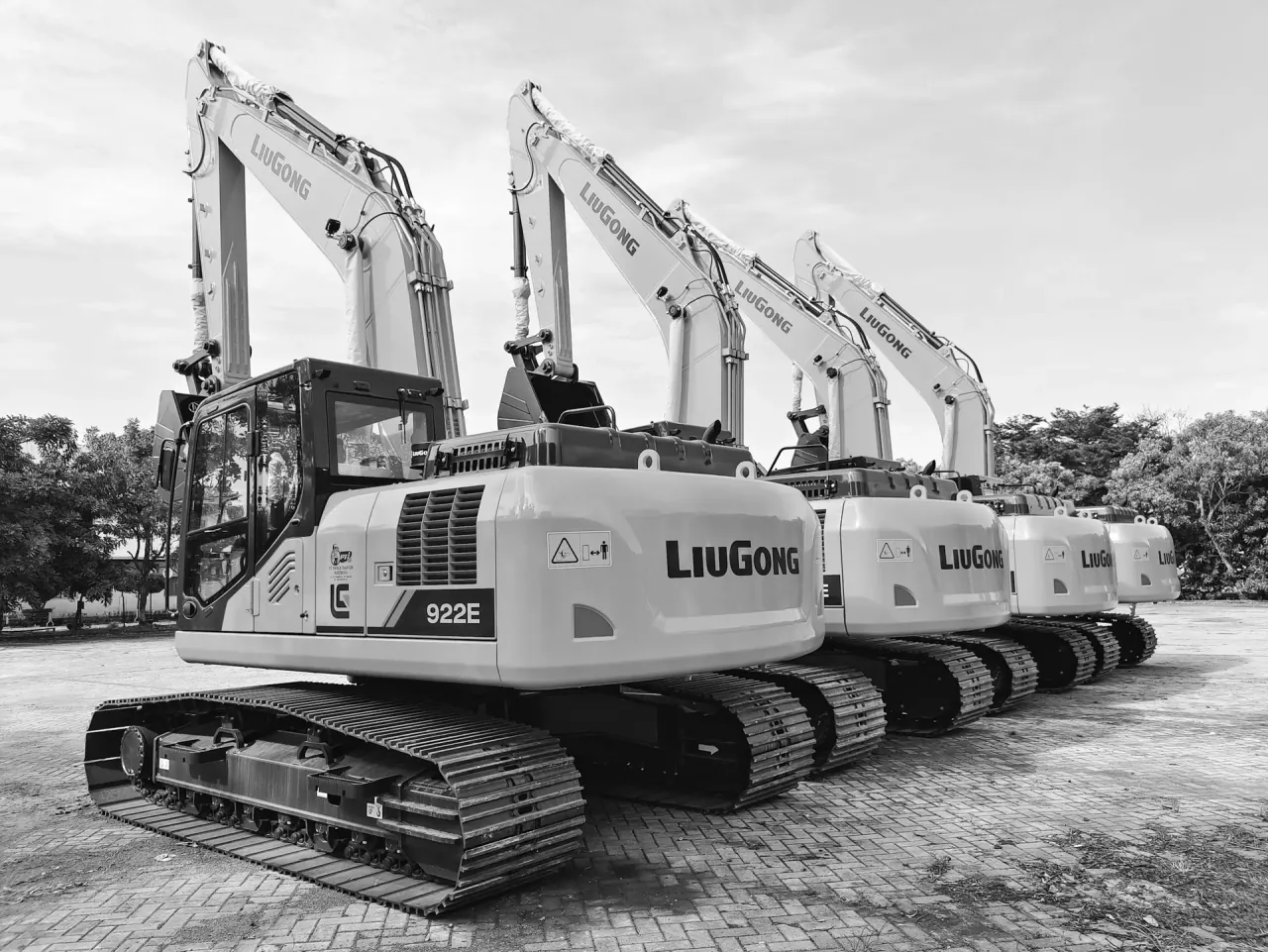
A hire fleet of mini excavators lined up on the hard standing at a depot
The office side

From the delivery note to the off-hire.

Earthmoving, access, tools, accommodation or specialist kit: the fleet differs, the office side does not.

  1. Running the yard is the part a hire company already has right. It is the record behind it that decides the year: which machine is where, what it went out with, what came back damaged, whose examination falls due next week, and how many days a customer was charged for after the job actually finished.

  2. Unibuild is construction management software for UK contractors, built inside a contracting business rather than sold into one. One account carries the plant and equipment registers, materials and stock, the labour run, certification and training records, documents, day works, variations and applications for payment. Read the honest limits before you go further: this is a register and evidence platform rather than a hire desk billing system, and the difference matters to you more than to most readers of this site.

Built for plant

What plant hire requires, and what Unibuild provides.

A contractor's job and a hire company's fleet look alike in a database. They stop looking alike at the thorough examination, at the off-hire, and at the damage argument. Each requirement below is followed by what the platform does about it.

Examined, not just serviced

Every machine carries three separate clocks

A thorough examination, a PUWER inspection and a service interval are three different duties on three different timetables, and only one of them is about keeping the machine running.

  • Lifting equipment for people is examined at least every six months, other lifting equipment at least annually
  • Lifting accessories are examined in their own right rather than with the machine
  • The report of thorough examination goes with the machine to the hirer
  • A machine on hire with a lapsed examination is your liability, not theirs
One register, one page that turns red first

Each machine and each accessory is its own record with make, model, serial, acceptance documents, service history and next dates, and one page watches every register together so what falls due next month is a list rather than a hunt through a filing cabinet.

Nobody rings to say the job finished

The off-hire is the money

The hire runs until somebody instructs otherwise, and the person who would instruct it has moved to the next site and forgotten the machine exists.

  • A machine idle on a finished job is revenue or exposure depending only on whether anyone noticed
  • Customers dispute off-hire dates months later with nothing but two recollections
  • Kit left on a closed site is the most commonly lost category in the trade
  • The yard finds out last, and usually by accident
A standing list of kit on jobs that have ended

There is a standing view of jobs that are finishing or finished with equipment still allocated to them. For a contractor that catches a forgotten generator. For you it is the whole commercial question, and it turns an invisible situation into a list somebody can work through on a Monday.

Argued, not evidenced

Damage is decided by what was photographed

A machine goes out clean and comes back with a cracked screen, a bent ram and six hours nobody can account for, and the conversation is two opinions.

  • The condition at handover is the only defensible baseline
  • Hour meter readings out and back decide overuse charges
  • Fuel, tracks, glass and attachments are recharged separately
  • A recharge without a photograph is a credit note waiting to happen
Signed out and signed back, with photographs

Delivery and collection notes are signed on the phone at the machine with photographs and meter readings against the record, so a damage recharge is a dated set of evidence rather than an argument. Recharges are raised against the job and the customer that caused them.

Moved by somebody with hours limits

Transport is half the operation

Nothing earns until it is delivered, and the low loaders and beavertails doing the delivering carry a regime of their own.

  • Drivers are inside drivers' hours rules and tachograph enforcement
  • Loading and securing a machine is a lifting and load security question
  • The yard hours either side of the driving are usually counted nowhere
  • A driver shortage stops the fleet earning more reliably than a breakdown
Vehicles on the register, hours on the record

MOT, tax, service and inspection dates sit on the vehicle register beside the machines. Advanced Fatigue Manager counts the yard and travel hours either side of the driving against the limits you set. It does not read tachograph data and does not replace your analysis bureau.

Fitted, swapped, and lost

Attachments move faster than machines

Buckets, breakers, grabs, augers and quick hitches move between machines by shift and are worth more than the paperwork suggests.

  • An attachment is often on a different site from the machine it arrived with
  • Breakers and grabs carry their own service and inspection needs
  • Quick hitches have a well-known failure mode and a check regime
  • Nobody can say which machine a given bucket is on right now
Each attachment its own record, on its own job

Attachments are held as records in their own right with serials, service history and inspection dates, allocated to the job rather than assumed to be with the machine. Scanning the item at the yard or on site returns its whole history.

Supplied with the machine

Operated hire makes you a contractor

The moment you supply the operator as well as the machine, you take on competence, hours and site duties that plain hire does not carry.

  • CPCS or NPORS category per operator, per machine type
  • CSCS and site specific inductions before the gate
  • The operator's hours become your fatigue duty, not the hirer's
  • Day works and standing time have to be signed for on the day
Cards, hours and signed tickets on one account

The training matrix holds each card and category per operator and turns amber before it lapses. Hours come off a QR scan at the gate, and day works and standing time are signed on the phone by the site rather than recalled at the month end.

Counted in the deployment Unibuild was built on, July 2026: one expiry page carrying 376 assets, 141 subcontractor certificates, 84 accreditations, 80 health assessments, 55 instruments and 9 vehicles.

Earthmoving
Access equipment
Small tools
Attachments
Accommodation
Transport
Workshop and parts
Examinations and records
The week

An ordinary week in a hire company, and the record it leaves.

Six entries from a plant hire company's day book. Nothing here asks anybody to remember something on a weighbridge at half past six.

Monday, the due list

Eleven thorough examinations fall due inside the month, four of them on machines that are out on hire. The list exists before the engineer's diary is built rather than after it.

Planned, not chased
Tuesday, the delivery

A machine goes out on a low loader. The condition, the hour meter and the attachments that went with it are photographed and signed for at the gate.

A baseline that holds
Wednesday, the bucket

A grab is moved to a different site by the customer. It is reallocated on the record, so it is on the right job rather than presumed to be with the machine it arrived on.

Found, not hunted
Thursday, the finished job

Three contracts closed last week with kit still allocated to them. The list is worked through, two off-hires are agreed and one machine is collected.

Billed or recovered
The collection

A dumper comes back with a damaged tailgate and four hundred hours against a hundred and eighty expected. Both are on the record against the same machine and the same hirer.

Recharged with evidence
The audit

An insurer asks for examination reports on a sample of the fleet. Each one is retrieved by the machine it belongs to rather than by the month it was filed in.

Produced in the room
The test

Eight things plant hire software has to do.

Written from what actually costs a hire company money or exposes it, rather than from a feature list. Unibuild is around thirty modules on one account, and a hire company turns on a handful of them.

Every machine and accessory as its own record

Assets and inventory holds each machine, attachment, chain, strop and shackle with serial, acceptance documents, service history and next dates, rather than as a line in a category. A quick hitch and a two tonne dumper are not the same kind of thing to an examiner and should not be to the system either. Related: knowing what plant you own.

Thorough examinations that surface before they lapse

Reminders and expiry watches twelve registers on one page and turns a date red before it passes. The six monthly and twelve monthly intervals run separately by item, which is the shape the duty actually has. Related: LOLER thorough examination.

What is on hire, and what is on a job that has ended

The standing view of jobs finishing with equipment still allocated is the single most valuable list on the system for this trade. For most contractors it catches a forgotten generator; for you it is the difference between an invoice, a collection and a write off. The mechanism is described in off hire plant charges.

Condition evidenced at both ends of the hire

Delivery and collection notes are signed on the phone at the machine with photographs and hour meter readings taken against the record. Damage recharges then rest on a dated set of evidence rather than on two people's memories of what a screen looked like in March.

Attachments allocated separately from machines

Buckets, breakers, grabs and augers move between machines by shift, so they are held as records in their own right and allocated to the job rather than to the machine. Scanning the label at the yard returns the item's history, which is how a bucket stops being a thing nobody can locate.

Vehicles, drivers and the hours either side of the driving

The vehicle register counts down MOT, tax, service and inspection dates beside the machines. Advanced Fatigue Manager counts the yard and travel hours that sit either side of the driving day, which is the half no tachograph sees. Driving hours stay with your analysis bureau.

Operated hire, with the competence behind it

The training matrix holds CPCS or NPORS by category per operator with medicals and CSCS, turning amber before a date passes. Hours come off a gate scan and day works and standing time are signed on site, which is what makes an operated hire invoice survive a query.

The workshop history that decides resale

Service records, parts fitted, defects reported and repairs done stay attached to the machine for its whole life rather than living in a job card book. When the machine is sold or an insurer asks what was done to it, the history is the asset rather than an afternoon of searching.

Governing clauseEverything above is a record made at the machine, not typed up at the month end.
The yard

What a plant hire company holds

Written for the trade rather than for any one firm. Most hire companies will recognise eight or nine of these lines and ignore the rest.

What a UK plant hire company holds, and the tracking quirk in each line
KeyCategoryTypical itemsThe tracking quirk
EarthmovingMini and midi excavators, 360s, dumpers, rollers, loading shovelsCharged by the week but worn by the hour, so the meter reading is the only honest measure of what a hire actually cost you
Access equipmentScissor lifts, boom lifts, telehandlers, podiums, towersLifts people, so the thorough examination interval is six months rather than twelve, and the report travels with the machine
AttachmentsBuckets, breakers, grabs, augers, quick hitches, compactorsMoves between machines by shift and ends up on a different site from the machine it arrived with
Lifting accessoriesChains, strops, shackles, lifting beams, man baskets, eyeboltsExamined in their own right at six months, cheap enough to be treated as consumable, and the item that stops a lift
Small toolsBreakers, whackers, saws, generators, lighting, pumps, heatersPAT tested on a schedule, hired in volume, and the category where losses hide because no single item is worth chasing
Accommodation and welfareCabins, welfare units, toilets, drying rooms, fuel and water bowsersOn hire from the day it lands and serviced on its own cycle, and the last thing anybody remembers to off-hire
Transport fleetLow loaders, beavertails, tippers, hiabs, service vansA hiab is lifting equipment as well as a vehicle, and the driver carries hours limits the yard hours never appear in
Workshop and partsFilters, hoses, glass, tracks, tyres, hydraulic rams, consumablesHeld against the machine that consumed them, or it becomes impossible to say what a given machine has cost to keep
FuelBulk tanks, bowsers, gas oil, AdBlue, fuel cardsIssued at the yard and burned on somebody else's job, and the recharge depends entirely on a reading taken at handover
Specialist kitTrench boxes, props, pumps, compressors, site dumpers, rollersHired alongside a design or a permit held by somebody else, so the item and the document that justifies it live apart
OperatorsMachine operators, drivers, fitters, yard staffOn operated hire their competence and their hours become your duty rather than the hirer's, which plain hire does not carry
The paperworkExamination reports, delivery notes, damage records, service historyThe only category with no physical existence and the one that decides liability, recharge and resale value, so it is the one worth systemising first
Regulations

The regimes a hire company works under

It is about what was examined and when, what
condition it left in, who was competent to
operate it, and what the hirer was told. This
is the reference version, kept factual.

The regimes a UK plant hire company works under, and what each requires
RegimeWhat it requires
LOLER 1998Lifting equipment is thoroughly examined before first use, after installation or relocation, and then at intervals: at least every six months for equipment used to lift people and for lifting accessories, and at least every twelve months for other lifting equipment, or in accordance with an examination scheme. The report belongs to the equipment and goes with it, which for a hire company means the document travels to the customer as well as staying with you.
PUWER 1998Work equipment must be suitable for its purpose, maintained in efficient working order, and inspected where its safety depends on installation conditions or where it is exposed to deteriorating conditions. This is a separate duty from the LOLER examination, runs on its own interval, and covers plenty of machines that never lift anything at all.
Supply of Machinery (Safety) Regulations and UKCAMachinery placed on the market has to meet essential health and safety requirements, carry conformity marking and be supplied with instructions. For a hire company the practical question is the machine's original conformity documentation and the instructions supplied with it at each hire, which is information the hirer is entitled to receive.
Section 6 of the Health and Safety at Work etc. Act 1974Anyone who supplies articles for use at work must ensure, so far as is reasonably practicable, that they are safe when properly used, and must provide adequate information about their safe use. Hiring plant is supply. This is the clause that makes the examination record, the defect history and the information pack part of the product rather than an administrative extra.
Drivers' hours and the Working Time (Road Transport) Regulations 2005Low loaders, beavertails and tippers are in scope of drivers' hours rules, enforced through the tachograph and at the roadside, with a separate 48-hour average for mobile workers. The yard hours either side of a driving day are not on the tachograph, which is the half that usually goes unmeasured. See fatigue management.
Operator competence on operated hireSupplying an operator with the machine changes the relationship. CPCS or NPORS competence by machine category, CSCS for site access, medicals, site induction and the operator's working hours all become questions you answer rather than the hirer. On plain hire the hirer takes that duty; the line between the two is a commercial and legal one worth being explicit about.
CDM 2015A hire company delivering to site is usually not a contractor under CDM, but supplying an operator, carrying out installation, or taking on work on site can make it one, with duties to plan, manage and monitor. The distinction matters because it decides who writes the risk assessment and who holds the construction phase duties.
Environmental and fuel dutiesBulk fuel storage carries containment and spill requirements, gas oil use is governed by fuel duty rules that have narrowed in recent years, and non-road mobile machinery emission stages increasingly decide which machines are allowed on which sites, particularly in low emission zones. These are commercial constraints on the fleet as much as legal ones.
Hire terms and the CPA conditionsMost UK plant hire runs on the Construction Plant-hire Association model conditions or a variant, which allocate responsibility for the machine, insurance, damage, loss and the hirer's duties while it is on site. What the conditions say about condition on delivery and on return is precisely what the photographic record at each end is evidence for.
Working time and fatigueFitters, drivers and operators are covered by the Working Time Regulations 1998 and by the general duties in the Health and Safety at Work etc. Act 1974 and regulation 3 of the Management Regulations. HSE is explicit that meeting the Working Time Regulations alone does not discharge the duty to manage the risk from fatigue.
On the record

Questions hire companies ask

The questions plant hire companies actually raise on a demonstration, answered on the record. Open one to read the response.

The marketIs Unibuild a hire desk system?+
No, and this is the first thing to settle rather than the last. There is no rate matrix by hire period, no recurring hire billing engine that raises an invoice every week a machine is out, and no availability calendar for taking bookings. Dedicated hire desk packages do that and do it well. Unibuild is the register, the examinations, the condition evidence, the damage, the transport and the workshop history underneath. Plenty of firms run both, and the honest limits below say exactly where the line falls.
ExaminationsWill it track LOLER and PUWER on every item?+
Yes, and it is the strongest fit for this trade. Each machine and each accessory is its own record with serial, acceptance documents, service history and next dates, and one page watches every register together and turns a date red before it passes. The six monthly interval on an access machine and the twelve monthly on an excavator run separately by item rather than as one fleet date, which is how the duty is actually shaped.
Off-hireCan it tell us what is still out on a job that has finished?+
Yes, and for a hire company it is probably the most valuable list on the system. There is a standing view of jobs that are finishing or finished with equipment still allocated to them. Whether that becomes an off-hire, an invoice or a collection is your commercial decision, and nothing here makes it for you. What changes is that the situation stops being invisible until somebody happens to drive past the site.
DamageHow does it help with damage recharges?+
By making the baseline defensible. Delivery and collection notes are signed on the phone at the machine, with photographs and hour meter readings recorded against that machine's record at both ends. A recharge then rests on dated evidence rather than on two recollections of what a screen looked like. Whether the customer accepts it is still a commercial conversation, but it is one about a record.
AttachmentsCan attachments be tracked separately from machines?+
Yes, and they should be. Buckets, breakers, grabs and augers are records in their own right with serials, service history and inspection dates, allocated to the job rather than assumed to be with the machine they arrived on. Scanning a QR label on the item at the yard or on site returns its whole history, which is how a grab stops being something three people have a different theory about.
TransportDoes it handle our low loaders and drivers?+
The vehicle register counts down MOT, tax, service and inspection dates beside the machines, and driver licence categories sit on the training matrix. On hours, it counts the yard, loading and travel time either side of the driving day, which is the part the tachograph never sees. It does not read tachograph data and it is not a substitute for your analysis bureau, which the honest limits below repeat.
Operated hireWe supply operators as well as machines. Does that change anything?+
It changes a great deal, and the platform is built for the version of your business that does it. CPCS and NPORS categories, medicals and CSCS sit per operator on a grid that turns amber before a date passes. Hours come off a QR scan at the site gate, and day works and standing time are signed on the phone by the site rather than reconstructed at the month end. On operated hire the operator's competence and hours are your duty, not the hirer's.
WorkshopWill it hold the service history per machine?+
Yes. Services, defects reported from site, parts fitted and repairs done stay attached to the machine for its whole life rather than living in a job card book in the workshop. That history is what an insurer asks for after an incident and what a buyer pays for at resale, so keeping it against the asset rather than against the month is the whole point.
TelematicsDoes it connect to our telematics or GPS trackers?+
Not as standard, and it is worth scoping at the start. Machine telematics arrive in a different format from every manufacturer and aggregator, and there is no generic connector. Unibuild is bespoke, so a feed from a named telematics provider for hour meter readings and location is a scoping conversation, written for you and included in the monthly fee. Today hour readings are taken at handover and collection, on the phone, against the machine.
CustomersCan our customers see what they have on hire?+
Yes, through the client portal, which is read only and scoped to their own account: what they hold, the documents that go with it and the records against each item. It is not a self service booking portal and they cannot off-hire themselves through it. For most hire companies the value is fewer phone calls asking what they have out, which is a different problem from taking orders online.
PricingHow is it priced, and do you charge per machine?+
Neither per machine nor per user. Users are unlimited on every plan and there is no charge per asset, which matters in a trade where the fleet is the business and a good year adds forty machines. There is no published rate card, because a twelve person hire company running three modules and a hundred person one running twenty are not the same product. Pricing is worked out on the demonstration and fixed for three years.
RolloutDo we have to load the whole fleet before we start?+
No, and it is usually a poor idea. Most firms start with the categories that carry statutory examinations, because that is where a missed date costs the most, and add small tools and consumables later. Migration of your existing asset list is done for you as part of the fee. Cataloguing every item you own before anyone uses the system is the most reliable way to kill the project.
Honest limits

Where it stops for plant hire

Five things a hire company asks for that are not in the platform as it stands, and the first one is the big one. Unibuild is bespoke, so each is a scoping conversation rather than a dead end: customer specific modules, fields, rules and reports are written on request and included in the monthly fee.

  • A hire desk and recurring hire billingNo rate matrix by hire period and no engine that raises an invoice every week a machine is out. Invoicing runs from the job, not from a standing clock. This is the gap to settle before anything else.
  • Availability and bookingNo forward availability calendar and no self service booking for customers. The client portal is read only.
  • Telematics and GPS feedsNo generic connector. Hour meter readings are taken at handover and collection. A feed from a named provider is built on request.
  • Tachograph and drivers' hoursYard, loading and travel hours are counted. Driving hours stay with your tachograph analysis and are read alongside rather than merged.
  • Hire contract documentsThe platform issues documents on your letterhead but does not hold a hire agreement engine with CPA conditions and automatic terms.
Other trades

Not quite your line of work?

The same platform, written for the trade that runs it. Each of these is a different set of modules switched on rather than a different product.

Return slip

Come and try it on one category.

Half an hour, on your own fleet. Bring your access machines and the examinations due this quarter, and we will set them up in front of you. Unlimited users, never per seat, no charge per machine, and fourteen days to try it without a card.

Bring
This quarter's examinations
Takes
30 minutes
Phone, UK hours
+44 7587 557546
Pays for itself
On the first machine off-hired on time
WhatsApp us