
What you own, where it is,
and what it is costing.
Plant and stock cost money in the same quiet ways: kit nobody can find, materials bought twice, a delivery never checked against the order, hire nobody stopped, and an examination date nobody was watching.
Plant and assets, in one place.
Plant and stock are the parts of a construction business where the losses are invisible. Nothing fails loudly. A machine sits on a finished site, a hire runs for six weeks after the work stopped, a sling stays in a van two months past its examination date, and a pallet of insulation is bought for a job that already had one in the unit. Each one is small and none of them announces itself.
These 6 articles cover the registers that stop it: what you own, what you are hiring, what is on a statutory clock, what is on the shelf, and what arrived at the door against what was ordered.
 PAT testing site power tools: how often, and what to recordNo regulation sets a date for testing a site drill. HSE guidance gives starting intervals by voltage and risk, and a register with last and next due dates keeps every tool on them.Read it →
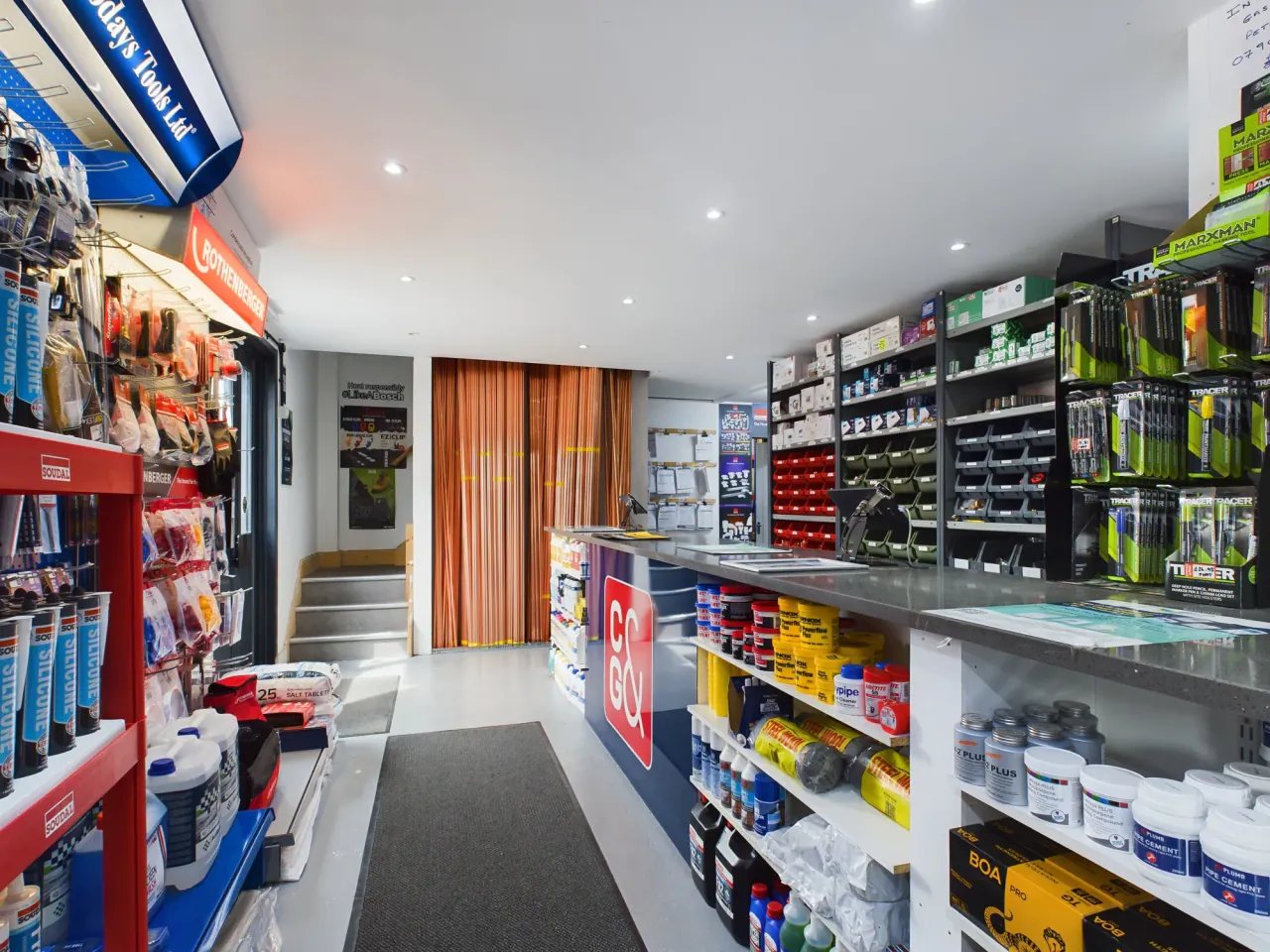 Goods received notes, and why stock should arrive on an orderA delivery note proves a van turned up, not what was ordered, what was on the pallet, or what the supplier is about to charge. The goods received note is where those three are made to agree.Read it →
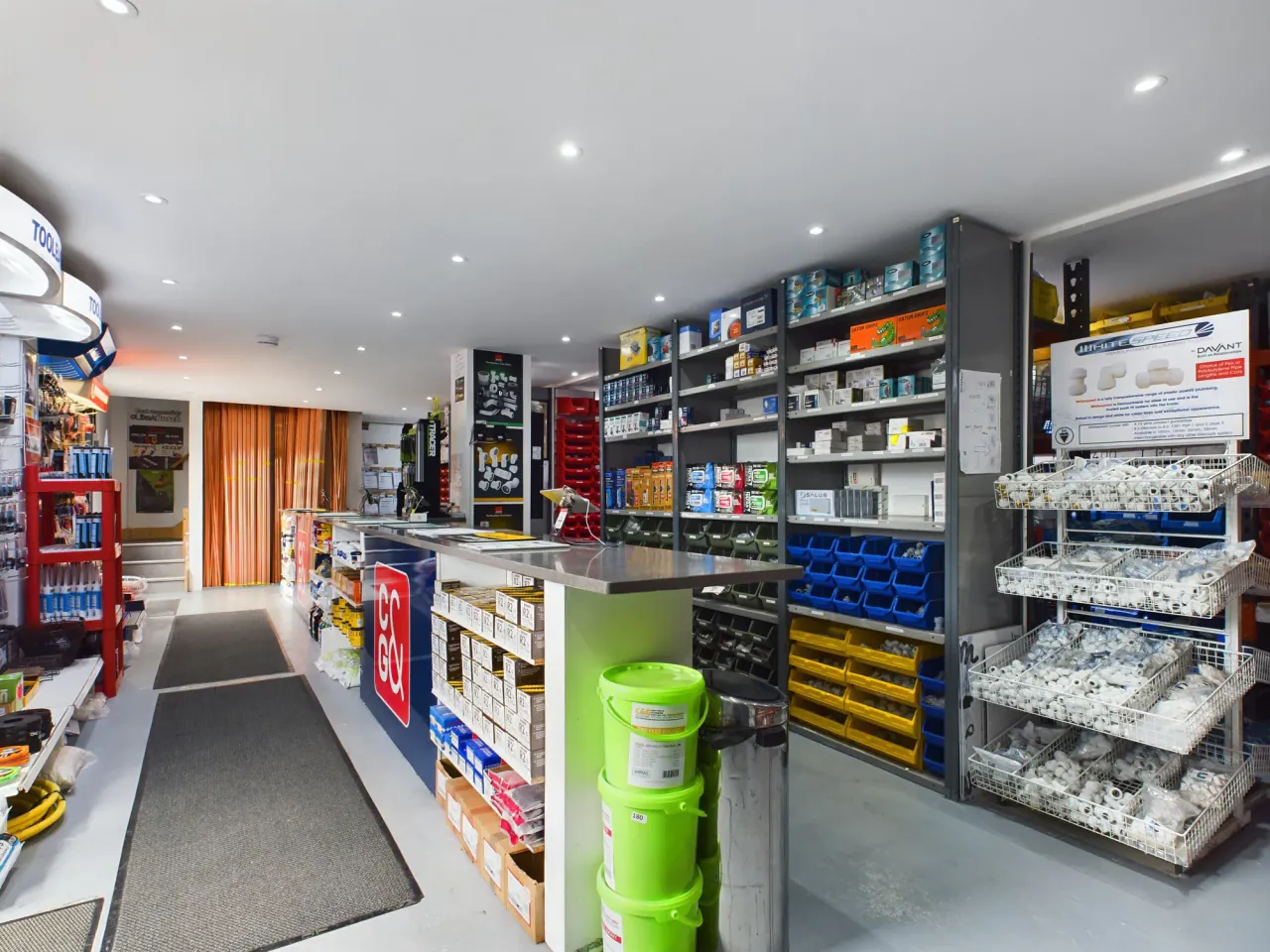 Stock control for a contractor: the unit, the vans and the jobsMerchants count stock because stock is the business. Contractors rarely do, and pay in materials bought twice, fittings that never reached a job, and a year-end figure nobody believes.Read it →
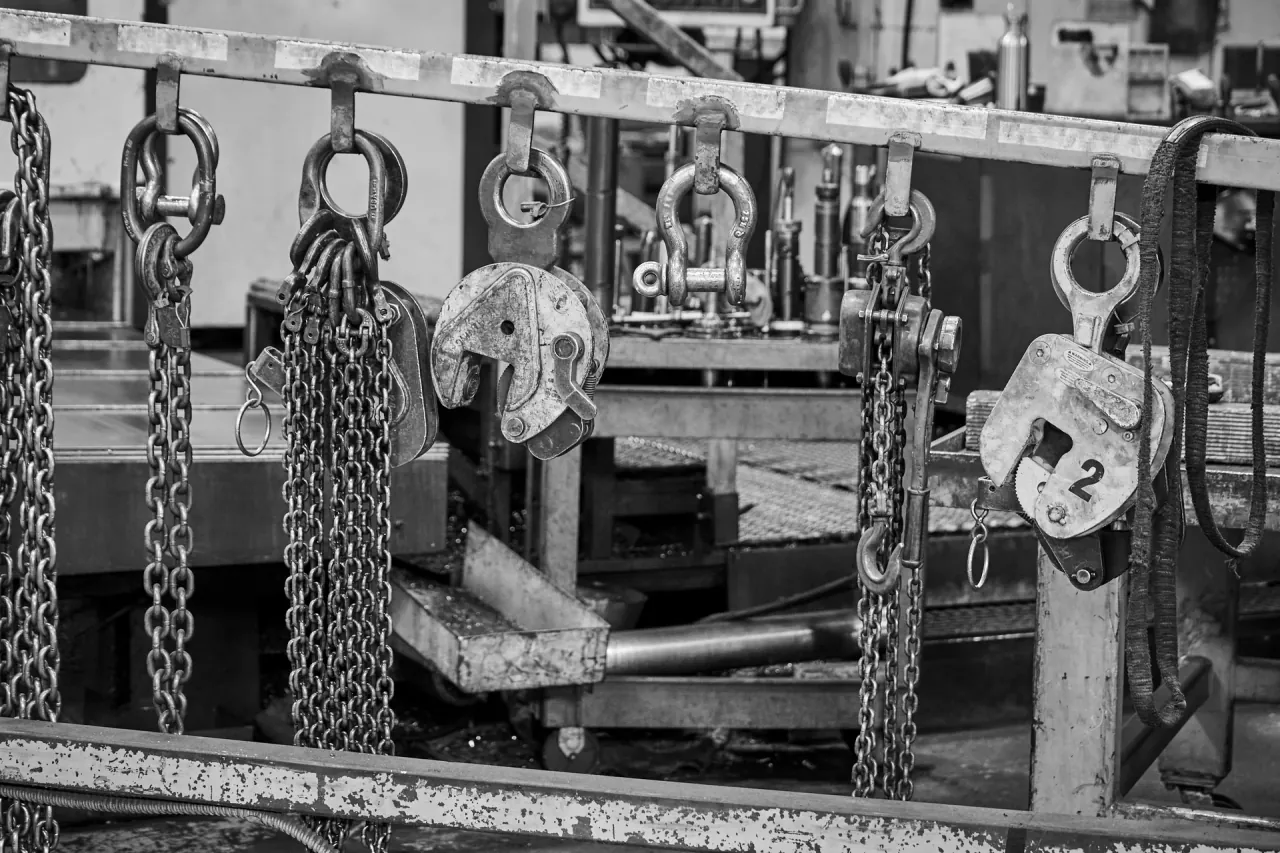 LOLER, and the clock on every lifting accessorySix months for anything that lifts people, twelve for everything else, and a report that has to exist before the next lift. What thorough examination means, and what it is not.Read it →
 Knowing what plant you own and where it isThe losses are quiet: kit that walks between sites, kit hired because nobody could find the one you have, and kit written off that is still in a container.Read it →
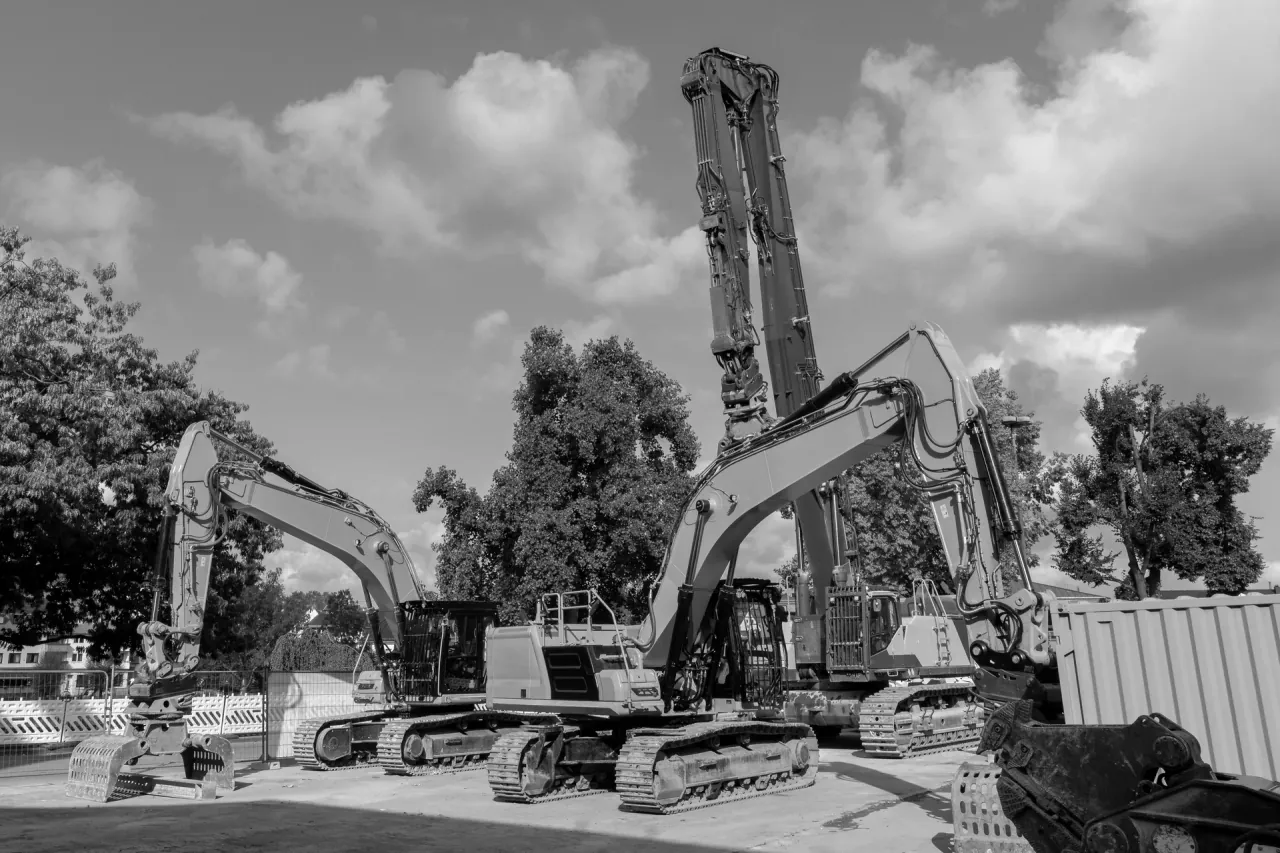 Off-hire, and the charges that keep runningHire runs until the item is off-hired, not until you finish with it. A preventable loss that every contractor recognises and almost nobody has a process for.Read it →
Other subjects
One register, and the dates on it.
An asset register that carries location, make, model and serial number answers the question of what you own. A stock ledger with a quantity per bin answers what is on the shelf, and goods received against the order answers what arrived. Attaching examination and inspection dates to the same record answers the more expensive question of what is due, and the nightly job that reads expiry dates puts it in front of somebody inside a thirty day window rather than after it has passed.