
For lift installation and maintenance contractors

Every lift on its own record,
every visit on the lift.

Lift maintenance software that holds each lift as an asset with its service visits, its thorough examination reports and the defects raised against it. Entrapments and breakdowns logged from the first call. Engineers' competence in date, and installation and modernisation projects on the same account.

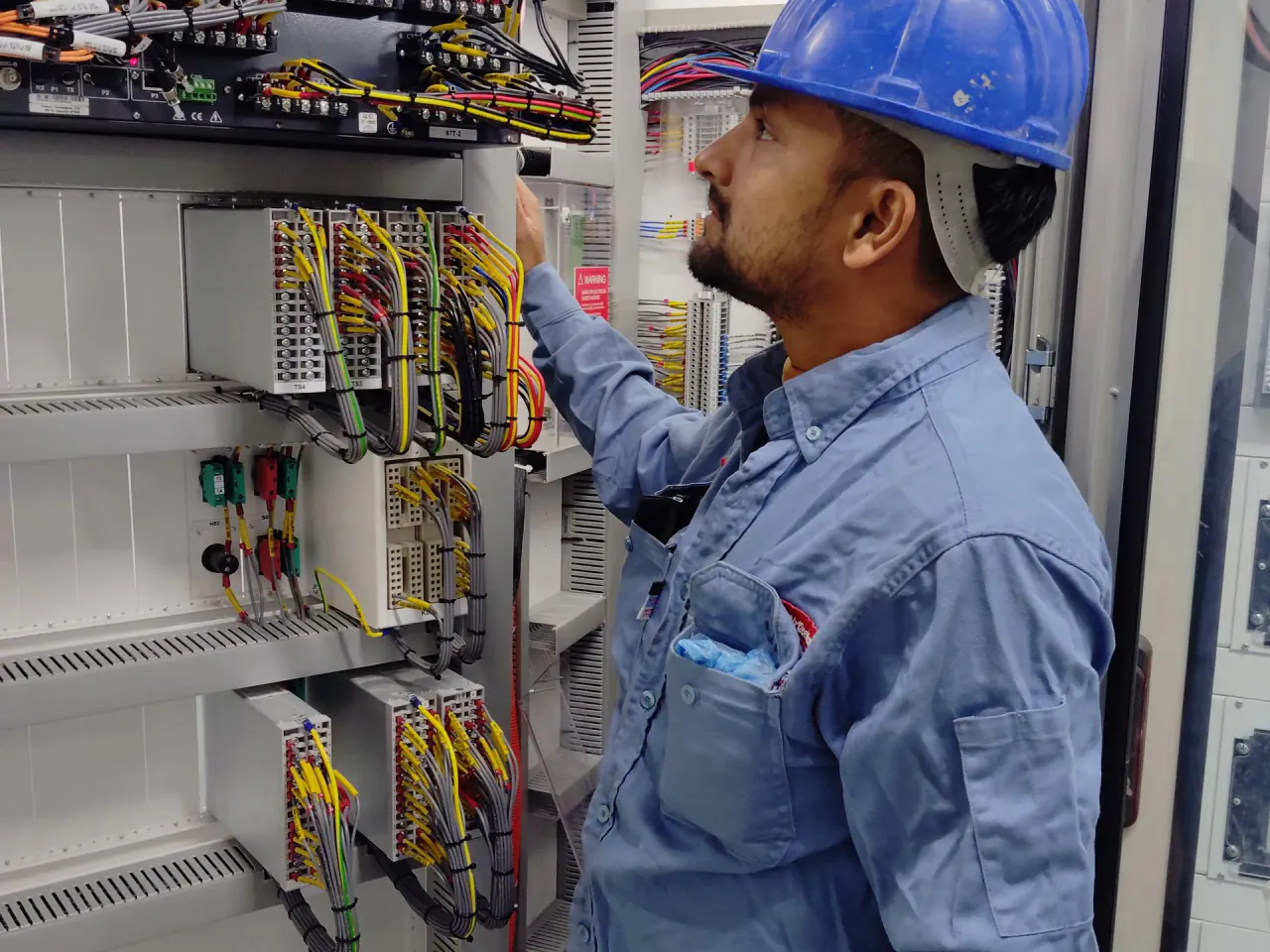
An engineer working at an industrial control panel
The office side

From the handover to
the two hundredth visit.

Passenger and goods lifts, platform lifts, a modernisation of an old traction lift, or a portfolio of maintenance contracts: the equipment differs, the record behind it does not.

  1. Keeping a lift running is the part a lift company already does well. The business is the record around it. A visit on every lift in the portfolio, an examination report somebody else writes, defects to act on, and a phone that rings at two in the morning.

  2. Unibuild is bespoke construction management software for UK contractors: a platform in daily production since 2016, shaped to the way each firm already works. One account carries maintained assets and their visits, call-outs, competence, RAMS and permits, stock, projects and applications for payment.

Built for lifts

What lift work requires,
and what Unibuild provides.

A lift carries people, so everything about it is dated, inspected and written down. Each requirement is followed by what the platform does about it.

A contract per lift

Every lift in the portfolio has its own visit pattern

Maintenance is sold per lift, with a visit frequency set by the contract and the equipment. Some contracts include parts and some do not. Every visit is recorded, and the owner wants to see it.

  • Visit frequencies differ by lift, use and contract
  • A contract with parts and one without treat the same repair differently
  • The log of visits is what a renewal is decided on
  • A lift swapped between engineers loses its history unless it lives on the lift
A register with its schedule and its history

Maintained assets holds each lift with a twelve month PPM pattern and every visit in date order with photographs. A QR label in the machine room or on the controller opens that lift's history on the engineer's phone.
Examined by somebody else

The thorough examination report lands on your desk

Under LOLER, a lift carrying people is thoroughly examined at least every six months, usually by an insurer's engineer surveyor. The report lists defects, and the owner looks to the maintenance contractor to clear them.

  • A goods only lift is examined at least every twelve months
  • A defect of immediate danger takes the lift out of service
  • Each defect needs a quotation, an order and a closed record
  • The next examination checks whether the last defects were dealt with
The report on the lift, each defect priced from it

The examination report is attached to the lift's record, and each defect is raised as an onsite quote against it, priced and signed. The examination months sit on the lift's PPM pattern, so they show as maintenance due on the expiry page.

The phone at two in the morning

An entrapment is attended now, and recorded properly

Passengers trapped in a car are released first, and everything else follows. Breakdowns and entrapments come in around the clock from the alarm centre, the building manager and the public.

  • Response times are written into the contract
  • The call time, arrival time and release time are all asked for later
  • A standby engineer works nights on top of a full day
  • Repeat breakdowns on one lift are a pattern the owner will notice first
One numbered record, and hours that are counted

Call-outs and reactive attendance carry one numbered record from the phone call to the invoice, against the lift. Advanced Fatigue Manager reads the hours worked on call alongside the day's, so a night on standby is visible before the next shift.

In the pit, on the car top

Working on a lift is controlled work, often alone

BS 7255 sets out safe working on lifts: isolation, access to the pit and the car roof, and work in the machine room. Many visits are made by one engineer in an empty building.

  • A method statement per task, signed before work starts
  • Isolation and lock-off recorded
  • Lone working needs a check-in that someone watches
  • Hoisting during installation brings its own lifting plan
RAMS and permits signed on the phone

RAMS are signed on the phone against a frozen version, and permits to work hold high risk work until a numbered permit is signed. Lone worker check-in escalates a missed check-in by itself.

A qualified trade

Lift engineers carry qualifications that are checked

Engineers hold trade qualifications, card scheme cards and manufacturer training for the equipment they maintain. Clients and principal contractors ask for the evidence before an engineer is allowed on site.

  • NVQ and industry card per engineer
  • Manufacturer training per controller or drive type
  • Site inductions and client specific requirements
  • First aid and working at height tickets renew on their own dates
One grid, every ticket, warned before it lapses

The training matrix holds each qualification, card and manufacturer course against the person with the certificate attached, banded amber inside ninety days. Sending an engineer to an unfamiliar controller becomes a filter, not a guess.

Installed once, maintained for decades

Installation and modernisation run as contracts

A new lift or a modernisation is a construction project with a programme, a lifting plan, variations and applications for payment. At handover it joins the maintenance portfolio.

  • New lifts are placed on the market under the Lifts Regulations 2016
  • Design to the BS EN 81 series, with 81-20 for new passenger and goods lifts
  • Existing lifts are surveyed against BS EN 81-80 for improvements
  • The handover pack becomes the first entry on the lift's record
The project and the portfolio on one account

Applications for payment runs the installation contract with retention carried. At handover the lift joins the maintained assets register, with its documents already attached.

The week

An ordinary week in a lift company,
and the record it leaves.

Six entries from a lift contractor's day book, each ending in a record rather than a note.

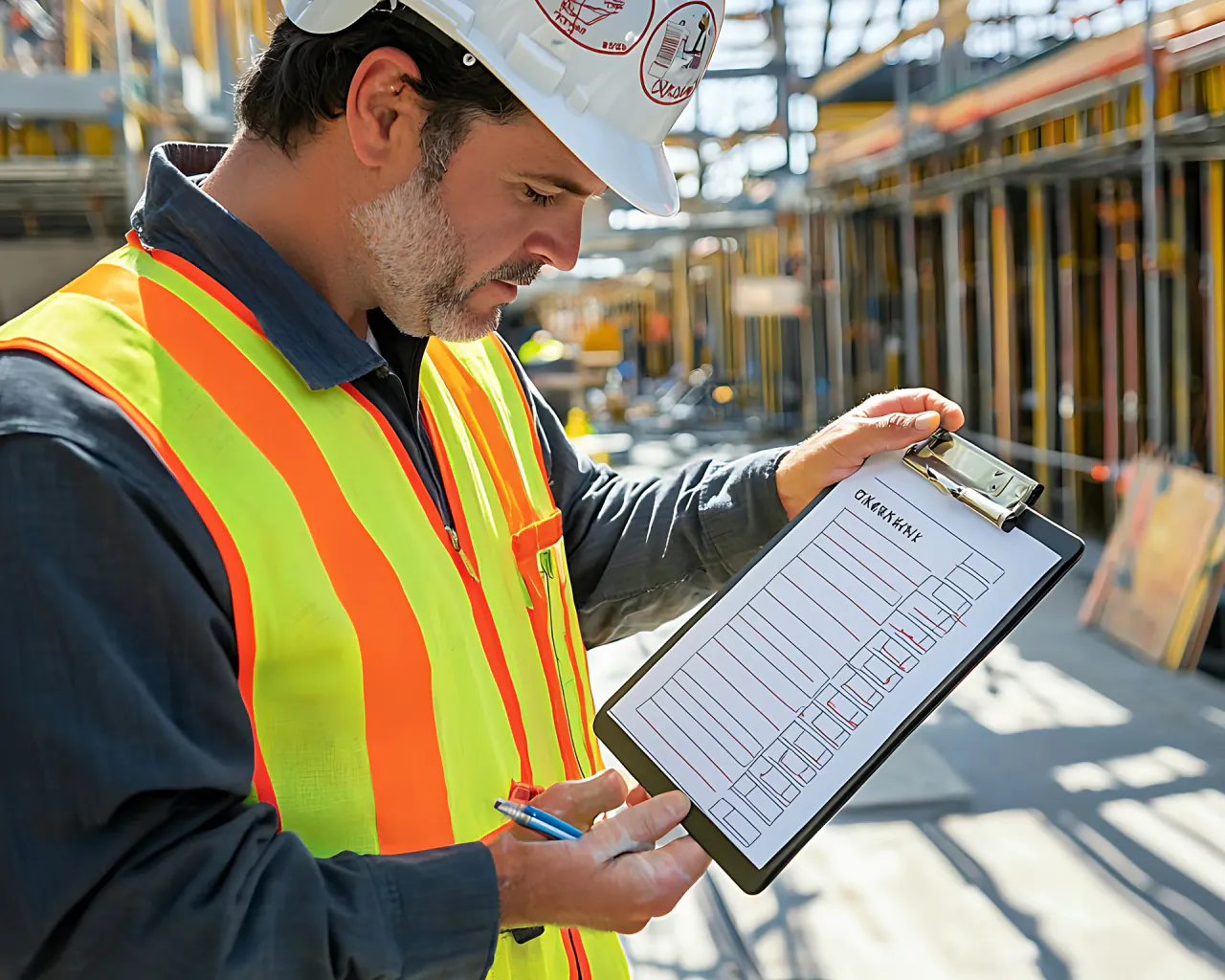
An inspector filling in a checklist on site
Monday, the portfolio

This month's maintenance visits are on the planner, lift by lift, with each engineer's route built from who holds training on which controller.

Allocated on competence
Tuesday, the machine room

An engineer scans the QR label, reads the last three visits, signs the method statement and completes the visit with photographs before leaving the building.

Visit on the lift
Wednesday, the report

An insurer's examination report arrives with two defects. It is attached to the lift, and each defect becomes a priced quote to the owner the same day.

Defects quoted
Thursday, two in the morning

An entrapment call comes in. The call-out is numbered at the first call, and the arrival and release times are recorded on the phone.

Released and recorded
Friday, the standby

The standby engineer's night shows alongside his week before Friday's allocation. The office moves his morning visit rather than sending him out tired.

Hours counted
Six months later

The next thorough examination shows as maintenance due ahead of its month, with the last report and both defects closed out on the lift's record.

Ready for the surveyor
Your system, your app

Shaped to your firm,
published under your name

Anything a firm needs is built for it, and changes asked for after go-live are included in the monthly fee. See how bespoke construction software works at Unibuild.

  • Your visit sheetYour maintenance checklist, your call-out record and your contract types are set up the way your engineers and office already work. Nobody relearns the job to suit the software.
  • A working startThe build starts from a working platform rather than an empty screen. A firm gets the fit of a bespoke system without the cost, the timescale or the risk of commissioning one from scratch.
  • Your app on the storesYour staff app is published on the App Store and Google Play under your company's own name and icon. The engineer in the machine room opens your firm's app, not ours. How the branded staff app works.
  • Your letterheadThe office portal carries your name, logo and colours, and fifty-eight document types generate on your own letterhead, from the visit report to the defect quotation.
The stores

What a lift installation and
maintenance firm holds

The stores, the vans and the lifts in other people's buildings, and the quirk in each line that breaks ordinary inventory software.

What a UK lift installation and maintenance contractor holds, and the tracking quirk in each line
CategoryTypical itemsThe tracking quirk
Lifts you maintainTraction and hydraulic passenger lifts, goods lifts, platform lifts, stairlifts in commercial buildingsNot your stock and not your building, but your record, and each one has its own contract, visit pattern and examination date
Spare partsDoor operators, controller boards, drives, ropes, rollers, buttons and indicatorsSpecific to a manufacturer and often to one model, so a part on the shelf is only stock for the lifts it fits
ConsumablesOil, grease, lamps, fuses, cleaning materialsCheap, used on every visit and carried in every van, which is exactly why nobody counts them
Test equipmentMultimeters, load test weights, speed and rope gaugesReadings recorded on a visit are only as good as the instrument, and its calibration date belongs on the register
Installation plantChain blocks, lifting beams, shaft scaffolds and platformsLifting equipment in its own right under LOLER, with an examination date that moves from site to site with it
VansVans carrying common parts and toolsA van is a store on the road, and the part used on a breakdown at night is the one that goes unrecorded
RecordsVisit logs, examination reports, defect quotations, handover filesNot stock, but the product the owner renews on. Each belongs to one lift, because that is how it will be asked for
Regulations

The regimes a lift installation and
maintenance firm works under

Lifts carry people, so the regime is built around examination, safe working and conformity. The reference version, kept factual.

What each regime asks of a lift installation and maintenance contractor
RegimeWhat it requires
LOLER 1998A lift used at work is thoroughly examined by a competent person, or to an examination scheme. A lift carrying people is examined at least every six months, and a goods only lift at least every twelve. The report goes to the owner. A defect of immediate danger is also reported to the enforcing authority.
PUWER 1998Work equipment, lifts and escalators included, is maintained in efficient working order and good repair. The maintenance log is the evidence that it was.
Lifts Regulations 2016New lifts and safety components placed on the market meet the essential health and safety requirements and go through conformity assessment before they are put into service.
BS EN 81 seriesThe design and construction standards for lifts. BS EN 81-20 and 81-50 cover new passenger and goods lifts, BS EN 81-28 remote alarms, and BS EN 81-80 the survey for improving the safety of existing lifts.
BS 7255The code of practice for safe working on lifts, covering isolation, access to the pit, the car roof and the machinery space, and the procedures that protect the engineer.
CDM 2015 and CISInstallation and modernisation are construction work under CDM. Lift installation on a project is a construction operation, and payments between contractors for it fall under the Construction Industry Scheme.
On the record

Questions lift installation and
maintenance firms ask

The questions lift contractors raise on a demonstration, answered on the record.

The marketWhat is the best software for a UK lift maintenance company?
The right system holds every lift as an asset with its visits, examination reports and defects, and runs call-outs and engineers' competence alongside. Unibuild does that on one account. Each lift carries its own PPM pattern and history, defects are quoted from the report, and installation projects run on the same account.
ExaminationsCan it track LOLER thorough examinations and defects for each lift?
Yes. The examination report is attached to the lift's record, and the examination months sit on its PPM pattern so they show as maintenance due. Each defect in the report is raised as a quotation against the lift, priced and signed, and closed with photographs when the work is done.
Call-outsHow are entrapments and breakdowns recorded?
As one numbered call-out from the first phone call to the invoice, opened against the lift. The engineer records arrival, findings, photographs and the building manager's signature on the phone, and the history shows every breakdown on that lift in date order.
ClientsCan building owners see their own lifts and visit records?
Yes, through the client portal, read only and scoped to their own contracts. An owner or managing agent opens each lift's visit history with photographs and documents, and can raise a call-out that lands as a job.
PricingHow is it priced, and do you charge per engineer?
No. One monthly figure covers everything, with unlimited users on every plan, and it is quoted in writing, usually the same working day. It is sized to the firm when quoted and fixed for three years, and taking on more people never changes the fee. Configuration, training and data migration are included, and most firms go live in about two weeks, in phases.
Neighbouring tradesWe maintain other building plant as well. Is there a wider page?
Yes. Facilities management covers planned maintenance across a whole building, and fire and security systems installers covers another maintenance-led trade on the same register. Lifts and other plant run on one account.
Other trades

Not quite your
line of work?

The same platform, written for the trade that runs it.
Each of these is a different set of modules
switched on rather than a different product.
Every one is shaped to the firm's own process,
with its own app under its own name.

Other trades
Return slip

Half an hour, on your own lifts.

Bring one maintenance contract and the last examination report for one of its lifts. We will set up the lift, its visits and its defects in front of you on the call.

Bring
One contract and one examination report
Takes
30 minutes
Phone, UK hours
+44 7587 557546