























For housing repairs and maintenance contractors

One account for the repair,
the date it was owed by,
and the rate it is billed at.

Responsive repairs, voids, planned programmes and the landlord compliance underneath all three, run for housing associations, councils and managing agents from one account. Work measured against your own schedule of rates, the attendance timed at the property rather than written up on Friday, the certificate filed against the address it belongs to, and the application built from what was actually recorded. Around thirty modules on one account, and a repairs contractor turns on the handful it needs.

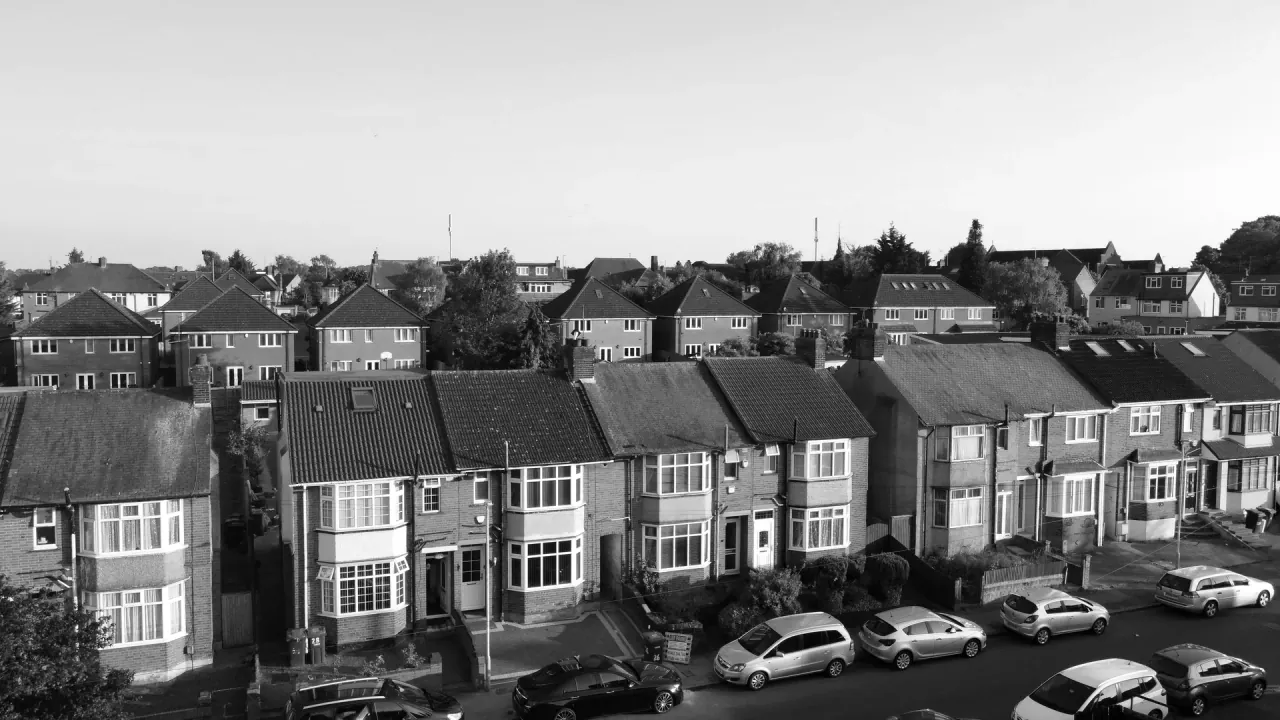
A street of British semi detached houses seen from above, the kind of stock a repairs contract covers
The office side

From the call at eight o'clock to the application at month end.

The work is a tap, a board, a boiler or a whole empty flat. The record it has to leave behind is the same every time.

  1. Fixing the fault is the part a repairs contractor already has right. What decides whether the contract survives its review is everything wrapped around it: whether the visit happened inside the timescale, whether anybody can prove it happened at all, which rate it was measured at, what the operative found while they were in there, and whether the landlord can produce the certificate when their regulator asks for it.

  2. Unibuild is construction management software for UK contractors, built inside a contracting business rather than sold into one. One account carries the property and asset registers, competence and screening records, documents and certificates, van stock, measured work at your own rates, variations and applications for payment. It is not a housing management system and it does not run the landlord's tenancies; the honest limits at the foot say exactly where the line falls.

Built for this trade

What housing repairs requires, and what Unibuild provides.

A repairs contract and a construction contract look alike in a database. They stop looking alike at the front door, at the timescale and at the measure. Each requirement below is followed by what the platform does about it.

Priced long before it happened

You do not quote the work, you measure it

Almost nothing in a repairs contract is priced when it is ordered. The rate was agreed at tender, and the job is the act of matching what was done to a code somebody wrote years ago.

  • The M3NHF Schedule of Rates is the sector standard, used by over six hundred social landlords
  • Version eight carries composite and elemental descriptions, each of them already priced
  • Standard minute values sit against the codes, so labour is a known quantity before the van moves
  • Your contract applies its own uplift, and voids are measured differently from responsive work
Your schedule loaded as a price list, and the measure signed off against it

Rate valuations holds measured work against your own rates with caps and client sign off, which is the same shape as a schedule of rates applied to a repair. Advanced estimating carries the price lists and the fit times behind it, so the labour a code assumes is in the system rather than in somebody's head.

The clock starts at the call

A repair is a deadline before it is a job

Every order arrives with a timescale attached, and since October 2025 some of those timescales are statutory rather than contractual.

  • Awaab's Law came into force on 27 October 2025 for damp and mould in social housing
  • A reported damp and mould hazard is investigated within ten working days
  • The resident gets a written summary within three working days of the investigation ending
  • Work to make the home safe begins within five further working days, and an emergency hazard is made safe within twenty four hours
Dates watched overnight, and a diary that proves the visit happened

Reminders and expiry watches every date you set against a property or an order and turns amber before it passes rather than after. The site diary carries the photographs and the notes made at the address, so the evidence that a timescale was met is created at the door instead of reconstructed in an audit.

Somebody lives here

The hardest part of the visit is the front door

An occupied home is not a site. The operative is a guest with a legal right of entry they would rather not use, and the appointment is the product.

  • A missed appointment costs a whole visit and lands in the landlord's satisfaction figures
  • Operatives working in homes are commonly screened, and the screening is renewed on its own clock
  • Lone working, safeguarding and vulnerability all sit on top of the trade competence
  • No access has to be recorded as a fact with a time on it, or it becomes your fault at the review
The attendance timed by the server, and every screening date on the person

QR clock in timesheets put the attendance against the property and time it on the server rather than accepting what was typed in later, so a no access is a timed record instead of an argument. The training matrix holds screening, trade tickets and cards against the person, each with its own expiry.

Their duty, your evidence

The landlord is audited on records your operatives made

The statutory duties belong to the landlord. The documents that discharge them are produced by whoever attended, which is you.

  • Gas, electrical, fire, asbestos, water hygiene and lifts each run on their own frequency
  • Communal fire doors in higher blocks are checked quarterly and flat entrance doors annually
  • A certificate is evidence of one visit, and the register is what proves the programme
  • The regulator asks the landlord, and the landlord asks you, usually with a deadline
The frequency held on the property, and the certificate attached to it

The maintained asset register holds the planned pattern on the item itself as twelve month columns, readable as a grid across an entire stock. Compliance and certification and documents and certificates keep the records against the address with every revision, and fire doors and fire assets carries the door register and its inspection rounds.

No compound, only vans

There is no site hut to keep the materials in

A repairs firm runs a stores operation spread across a fleet, and the difference between one visit and two is usually a five pound part.

  • Stock lives in vans parked at drivers' homes across a county
  • Materials are consumed against an address rather than against a job number
  • Voids swallow materials in a fortnight and then the property is gone
  • A depot count taken on a Friday describes vans that have been elsewhere all week
Each van as its own stock location, counted as the part is fitted

Assets and inventory treats every vehicle as a stock location, so a part leaves the van it was actually fitted from and the replenishment list is built from movements rather than from an estimate. Purchase orders carries the orders, the supplier invoices and the credits behind it.

Thousands of small amounts

You are paid for what was recorded, not for what was done

A month of repairs is several thousand small values rather than one big one, and every line that was not written down is simply lost.

  • Extras found on the visit are the margin, and they die in a notebook
  • Labour only gangs and specialist subcontractors sit under the same contract
  • The Construction Industry Scheme runs through most of the subcontract spend
  • Nobody queries an application line by line until the month it is disputed
The application built from the records rather than typed over them

Applications for payment builds from the measured work, the variations and the day works already captured, and holds the retention and the ageing behind it. Subcontractor management keeps the orders, insurances and scheme treatment per subcontractor, and cost control shows the committed and actual cost per contract.

Counted in the deployment Unibuild was built on, July 2026: one expiry page carrying 376 assets, 141 subcontractor certificates, 84 accreditations, 80 health assessments, 55 instruments and 9 vehicles.

Responsive repairs
Voids
Planned programmes
Landlord compliance
Van stock
Plant and access
Vehicles
Records and certificates
The week

An ordinary week in a repairs firm, and the record it leaves.

Six entries from the day book. Nothing here asks an operative to remember an address until Friday.

Monday, the board

The week's orders come off the system with their timescales attached: emergencies today, the damp and mould inspections inside their ten working days, two voids with a handover date and a stair of communal door checks that fell due this month.

Sorted by the date owed
Tuesday, at the door

The operative scans in at the property and the arrival is timed by the server. The photographs of the leak, the section of ceiling taken down and the finished repair are written against that address before they leave the street.

Timed and photographed
The no access

Nobody in at the second address. The visit is recorded with its time, the card photographed on the mat, and the order goes back for a further appointment with the evidence already attached to it.

Recorded, not argued
Wednesday, the void

An empty flat is measured against the void schedule as the work is done rather than in an office afterwards. Extra work found behind the bath is priced from the same schedule and added as a variation the surveyor can see the photograph of.

Measured where it happened
Thursday, the annual visit

A gas service falls due on nine properties in the same postcode. Each one carries its own appliance record and its own last certificate, and the new certificate is filed against the address rather than into a folder named after the year.

Against the right property
Friday, the application

The month's application is built from the measured work, the variations and the day works already in the system, with the subcontract deductions and the retention worked out underneath it rather than in a spreadsheet beside it.

Built from the record
The requirements

Eight things repairs software has to do.

Written as requirements rather than as features, so they can be read against whatever you are using now.

The property is the record, not the job

An address is visited for twenty years by a dozen trades, so the history has to belong to the property rather than to a sequence of unrelated orders. The asset register holds each dwelling with its appliances, their manufacturer, model, serial and install date, and the whole service history sits under the address where the next operative can read it.

Work measured against a schedule you already own

Repairs are priced from a schedule of rates rather than quoted, so the system has to hold your rates and let the measure be made against them on site. Rate valuations holds the price list, the measured work, the caps and the client sign off, which is the shape of a schedule of rates contract whichever schedule you are on.

A timescale on every order, watched by something that does not sleep

Emergency, urgent, routine, statutory: the timescale is the contract. Reminders and expiry runs overnight across every date held in the account and raises the ones approaching, which is the only version of this that works when the list runs to thousands of open orders.

Attendance proved rather than asserted

QR clock in puts the operative at the property with a server timestamp and a site geofence, so the arrival time on a statutory repair is evidence rather than recollection. This is the single record that settles most disputes about whether a timescale was met.

Screening and competence held per person, with dates

Working in an occupied home usually requires screening on top of the trade ticket, and both expire. The training matrix holds each card, ticket and screening date against the person with its own expiry, colouring before it lapses rather than after, so an operative is never sent to a property they are not clear to attend.

Van stock counted where it is consumed

Each vehicle is its own stock location and the part comes off the van it was fitted from at the moment it is fitted. A repairs business that orders materials per job rather than per van is running a stores operation it cannot see. Related: stock control for contractors.

The certificate attached to the address it certifies

Gas records, electrical reports, fire risk actions, asbestos surveys and water hygiene records belong to the property, and the landlord will be asked for them by their regulator rather than by you. Documents and certificates keeps every revision against the address, so the version issued in March survives the one issued in October.

A month end built from the week, not from memory

Several thousand small values only add up if they were captured where they happened. Applications for payment assembles from measured work and variations already recorded, and cost control sets the committed and actual cost against the contract while there is still time to do something about it.

The van and the stock

What a housing repairs firm holds

Written for the trade rather than for any one firm. Most firms will recognise nine or ten of these lines and ignore the rest.

What a UK housing repairs and maintenance contractor holds, and the tracking quirk in each line
KeyCategoryTypical itemsThe tracking quirk
The dwellingsHouses, flats, bungalows, bedsits, sheltered units, leasehold properties inside the same blockThe unit of work is an address rather than a site, and one block can hold three tenures with three different sets of obligations
Heating appliancesBoilers, flues, gas fires, cookers, unvented cylinders, heat pumps, communal plantEach appliance carries its own annual date and its own warranty, and the tenant changes far more often than the boiler does
Electrical installationsConsumer units, circuits, smoke and heat alarms, carbon monoxide alarms, emergency lighting in communal areasThe periodic report covers the installation but the alarms have their own life expectancy, so one date hides several
Fire doors and compartmentationFlat entrance doors, communal doors, self closers, intumescent seals, riser doorsCommunal and flat entrance doors run on different frequencies in the same building, which is two registers wearing one name
Water systemsTanks, calorifiers, communal risers, outlets on the flushing regime, temperature monitoring pointsThe risk assessment names actions with frequencies, and it is the actions rather than the assessment that get missed
Lifts and communal plantPassenger lifts, stairlifts, door entry, communal boilers, pumps, dry risersThorough examination and servicing are two separate visits by two separate parties, and only one of them is yours
Void materialsKitchen units, worktops, sanitary ware, flooring, doors, decoration packs, keys and locksConsumed in a fortnight against a property that is then handed over, so the cost has to land before the address closes
Van stockFittings, valves, cable, accessories, sealant, fixings, filler, spare alarms and batteriesThe stock location is a vehicle parked at somebody's house, and the count is only true if it is taken as the part is fitted
Access and small plantStep ladders, podium steps, low level towers, dehumidifiers, drying equipment, generatorsDehumidifiers go out on damp cases and come back weeks later, so they behave like hired plant inside your own business
Test instrumentsFlue gas analysers, multifunction testers, damp meters, thermal cameras, gas tightness kitsMeasuring instruments carry calibration dates, and a lapsed one puts every reading it took on a certificate in question
The fleetTransit vans, tippers, welfare vehicles, fuel cards, tracking units, tail liftsA van carries an MOT, a road tax date, a service interval, a daily check and a stock count, all at once
The paperworkSafety records, periodic reports, asbestos surveys, risk assessments, photographs, satisfaction returnsThe only category with no physical existence and the one an inspection is actually about, so it is the one worth systemising first
Regulations

The regimes a housing repairs firm works under

Most of these duties belong to the landlord
rather than to you, and every one of them
is discharged with a record your people
made. This is the reference version,
kept factual.

The regimes a UK housing repairs and maintenance contractor works under, and what each requires
RegimeWhat it requires
Section 11, Landlord and Tenant Act 1985The repairing obligation that creates the market. In almost every tenancy of under seven years the landlord must keep the structure and exterior in repair, along with the installations for water, gas, electricity, sanitation, space heating and water heating. It is implied into the tenancy and cannot be contracted out of, which is why a repairs service exists at all and why the response is judged against what is reasonable rather than against what is convenient.
Awaab's Law, from 27 October 2025Introduced by the Social Housing (Regulation) Act 2023 and brought into force for damp and mould in social housing. A reported damp and mould hazard is investigated within ten working days, the resident receives a written summary of the findings within three working days of the investigation concluding, and work to make the home safe begins within five further working days. An emergency hazard is investigated and made safe within twenty four hours. Further hazards come into scope from 2026, so the operational answer has to be a system rather than a spreadsheet built for one hazard.
Homes (Fitness for Human Habitation) Act 2018Makes fitness an implied term of the tenancy and gives the tenant a direct route to court, rather than relying on the local authority to act. Fitness is assessed against the hazards in the Housing Health and Safety Rating System, which is the same hazard framework Awaab's Law extends from, so the two read together rather than separately.
The right to repair schemeFor secure council tenants, a list of qualifying small repairs with prescribed timescales of one, three or seven working days, a right to have a second contractor instructed if the first does not attend, and compensation payable when it is not done. It is narrower than most people assume, and the operational point is that some of your order types carry a statutory clock and others carry a contractual one, in the same working day.
Gas Safety (Installation and Use) Regulations 1998The landlord must have every gas appliance and flue checked for safety at intervals of no more than twelve months by a Gas Safe registered engineer, keep the record, and give a copy to the tenant. Records are kept for at least two years. The annual visit is the most access dependent job in the calendar, which is why the no access procedure is a compliance process rather than an administrative one.
Electrical safety and alarmsFixed electrical installations are inspected and tested periodically, with the report and its remedial actions forming the evidence rather than the inspection alone. Separately, the Smoke and Carbon Monoxide Alarm regulations require working smoke alarms on every storey and a carbon monoxide alarm in any room with a fixed combustion appliance other than a gas cooker, tested at the start of a tenancy and repaired or replaced when a tenant reports a fault.
Fire Safety (England) Regulations 2022 and the Building Safety Act 2022In blocks of flats above eleven metres the responsible person carries out quarterly checks of communal fire doors and annual checks of flat entrance doors, on a best endeavours basis for the latter. Higher risk buildings above eighteen metres or seven storeys carry the golden thread: information about the building kept accurate, current and handed on. For a contractor this converts door and compartmentation work from a job into a record with a lineage. See fire doors and fire assets.
Control of Asbestos Regulations 2012The duty to manage asbestos in the common parts sits with whoever controls them. Before work starts the contractor needs the survey information, and anybody liable to disturb asbestos needs suitable information, instruction and training refreshed at appropriate intervals. In stock built before 2000 this is a daily consideration in kitchens, airing cupboards and ceilings rather than an occasional one. See asbestos removal contractors.
Legionella and ACOP L8Water systems in communal and sheltered settings carry a written risk assessment naming control measures with frequencies: temperature checks, flushing of little used outlets, tank inspections and records of each. Void properties are the classic failure, because an empty flat is a stagnant system, and the flushing record on a void is one of the easiest things in the sector to lose.
Consumer standards and satisfaction measuresSocial landlords report annually against tenant satisfaction measures, several of which are yours in practice rather than theirs: repairs completed right first time, the time taken to complete repairs, and satisfaction with the repairs service. They are published and they are compared, so the measurement of your work is now public in a way it was not before 2023.
CDM 2015 and the Construction Industry SchemePlanned programmes and void refurbishments are construction work with the duties to plan, manage and monitor that go with them, and a domestic client's duties usually pass to the contractor. Most subcontract payments in repairs fall inside the Construction Industry Scheme, so the verification, the deduction and the monthly return run alongside the work. See the CDM 2015 guide and the CIS guide.
Questions

Questions housing repairs firms ask

The ones that come up on the first call, answered plainly.

The marketWhat software do UK housing repairs contractors use?+
Usually a repairs or field service package for the order and the appointment, the landlord's own housing management system pushing orders into it, a spreadsheet for operative screening and van stock, and an accounts package behind all of it. Unibuild sits where the contracting business lives: the property and asset registers, measured work at your own rates, competence and screening dates, documents and certificates, van stock, variations and applications for payment. It does not run tenancies and it does not replace the landlord's system.
The fitIs this a housing management system?+
No, and it is worth being blunt about that before a demonstration rather than after one. It holds no tenancies, no rent accounts and no allocations, because those belong to the landlord. It is construction management software with an asset register and a measured work engine inside it, which suits the contractor rather than the landlord. A firm that is both, such as a council with a direct labour organisation, runs it alongside the housing system rather than instead of it.
RatesCan it hold a schedule of rates?+
It holds your rates as a price list, and work is measured against them with caps and client sign off. That is the mechanism a schedule of rates contract runs on, whichever schedule you are on and whatever uplift your contract applies. What it does not do is ship with a licensed schedule in it: the M3NHF schedule is licensed to its users, so you load the codes and prices you are contracted at rather than ours.
Awaab's LawDoes it help with the statutory timescales?+
It helps with the two parts a contractor actually controls: knowing which orders are approaching their date, and being able to prove what happened at the property and when. Dates are watched overnight and raised before they pass, and the attendance is scanned on site and timed by the server rather than typed in afterwards. It does not decide whether a hazard is significant, write the resident's written summary for you, or make the landlord's statutory judgements, all of which stay with the landlord.
No accessHow does it handle a missed appointment?+
As a timed record with evidence attached rather than as a status somebody set later. The operative scans at the property, so the visit exists even though the work did not, and a photograph of the card through the door sits with it. That record is what settles the argument at the contract review about whose failure a missed timescale was, and in most repairs contracts that argument is worth more over a year than the repairs themselves.
SchedulingWill it plan the operatives' days for us?+
The labour run plans the week and shows who is where, and the fatigue record watches the hours on a standby rota. It is a plan rather than a dispatcher: it does not optimise a route between addresses, re-sequence a day automatically when an emergency lands at eleven, or bid work out to operatives' phones. Firms running dynamic scheduling usually keep that tool and use this for the register, the measure, the records and the money.
VoidsDoes it do voids as well as responsive?+
Yes, and voids are usually where the arithmetic is clearest, because a void is a small project with a handover date, a measure, a materials bill and a set of compliance certificates that all have to land before the property is let. The work is measured against the void schedule as it is done, extras are added as variations with photographs, and the cost lands against the address rather than against a general overhead.
ComplianceCan it hold gas, electrical and fire dates across thousands of properties?+
Yes. The planned pattern is held on the item rather than in a recurring calendar entry, as twelve month columns carrying what is due in each month, readable as a grid across the whole register and exportable filtered to one contract or one block. It is attached to the equipment deliberately, because boilers are replaced and alarms are swapped mid contract and a calendar entry never finds out.
CertificatesDoes it produce a landlord gas safety record?+
Not as a standard form out of the box, and the honest limits below say so. Certificates live as documents against the property with every revision kept, and the visit record itself is structured: date, work type, operative, comments and photographs against the specific address and appliance. Unibuild is bespoke, so a structured record to your own contract's form is a scoping conversation rather than a dead end, and it is included in the monthly fee.
ScreeningCan it track screening and safeguarding renewals?+
Yes, and separately from trade competence, which is the only shape that works. An operative can be current on gas and overdue on a screening renewal in the same week, and a single status per person hides exactly the thing you need to see. Each check, card and ticket is its own expiry against the person, the grid colours before a date passes, and the crew planner reads the same account.
The clientCan the landlord see the records themselves?+
Yes. The client portal is read only, with no write path at all, scoped to their own organisation and their assigned properties. They filter by block or address, open a property, and read its history with the photographs and the certificates, at any hour and without ringing your office. At a contract review, and increasingly at a regulatory inspection, that is usually the strongest argument in the room.
DisrepairDoes it help with disrepair claims?+
Indirectly, and substantially. A disrepair claim is decided on what can be evidenced about visits, dates and condition, often two or three years after the fact. A property record carrying every attendance with its server timestamp, the photographs taken on the day and the documents issued afterwards is a very different position to defend from than a folder of job sheets. It is not a case management tool and it does not talk to your solicitors.
PricingWe are forty people. Is this proportionate?+
Repairs contractors carry a compliance and evidence burden shaped like a much larger business, which is the gap this is priced against. Users are unlimited, there is no charge per property, per order or per visit, and there is no published rate card because a forty person contractor and a three hundred person one are not the same product. Pricing is worked out on the demonstration and fixed for three years.
RolloutWhere do most firms start?+
With one contract and its compliance register, because that is where the arithmetic is easiest to see: the properties, their dates, the visits and the certificates that came out of them. Van stock usually follows, then the measure and the application, then the planned programmes. Firms go live in stages, and migration of your existing property, asset and people records is done for you.
Honest limits

Where it stops for housing repairs

Five things a repairs contractor asks for that are not in the platform as it stands. Unibuild is bespoke, so each one is a scoping conversation rather than a dead end: customer specific modules, fields, rules and reports are written on request and included in the monthly fee.

  • The landlord's housing systemThere is no live feed from a housing management system, so orders arrive by whatever route you already use rather than through an integration written for one vendor.
  • Tenant contactNo tenant facing portal, no appointment booking by the resident and no automated messaging to residents. Contact with the tenant stays where it is today.
  • Dynamic schedulingThe labour run plans the week and the fatigue record watches the hours. Neither re-sequences a day around an emergency or optimises a route between addresses.
  • Licensed schedules of ratesNo schedule is supplied in the box. You load the codes and prices your contract is measured at, because those are licensed to you rather than to us.
  • Statutory returnsTenant satisfaction measures are reported by the landlord, not by the contractor, and nothing here submits them. What it holds is the operational evidence underneath them.
Other trades

Not quite your line of work?

The same platform, written for the trade that runs it. Each of these is a different set of modules switched on rather than a different product.

Return slip

Come and try it on one contract.

Half an hour, on your own properties and your own rates. Bring one contract with its compliance register and a week of orders, and we will set the register and its twelve month pattern up in front of you. Unlimited users, never per seat, and fourteen days to try it without a card.

Bring
One contract and its compliance register
Takes
30 minutes
Phone, UK hours
+44 7587 557546
Pays for itself
On the first no access you can prove
WhatsApp us