
When an HSE inspector
turns up on site.
What they can do, what they ask to see and in what order, what a Notification of Contravention means, and what the visit can cost you at £188 an hour.
Published ·Updated ·5 min read·Written by Darshan Parmar, Founder
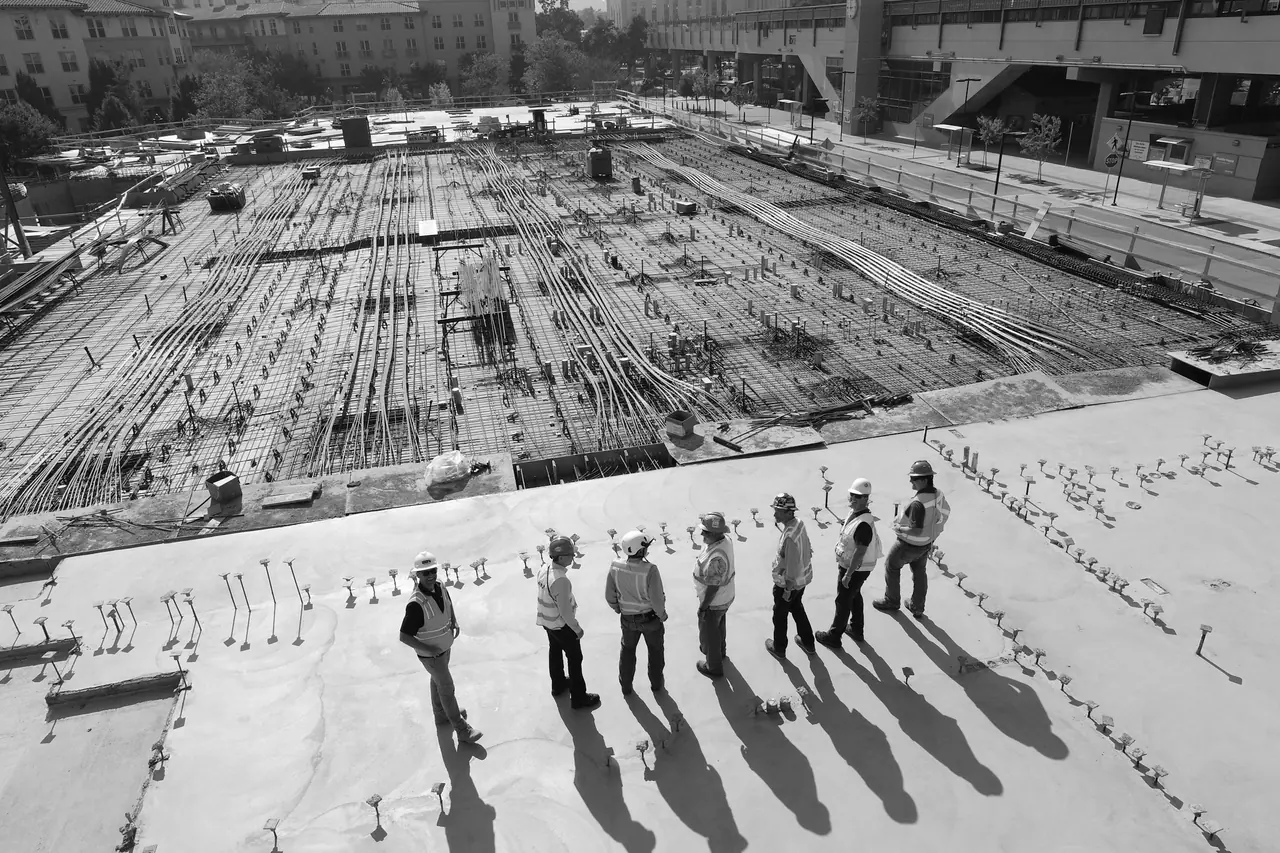
An inspector can enter a construction site at any reasonable time without notice or permission, look at anything, take photographs and samples, require documents to be produced, and require people to answer questions. Where they find a material breach they issue a Notification of Contravention, and from that point the time they spend is charged to you at £188 an hour.
What they can actually do
Worth knowing precisely, because the commonest mistakes on the day come from a site manager not understanding the position.
Inspectors have statutory powers under the Health and Safety at Work etc. Act 1974. In practice that means they can enter at any reasonable time without an appointment, examine and investigate, direct that an area be left undisturbed, take measurements, photographs and samples, require the production of documents and take copies, and require any person to answer questions.
You cannot refuse entry, and trying to is the single worst opening move available. Nor is there anything to gain from it: an inspector turned away comes back, and the visit that follows starts from a different place.
What you can reasonably do is ask for identification, ask what the visit concerns, and have somebody appropriate accompany them throughout. That last one is not obstruction, it is sensible, and it means you know what was seen and what was said.
What they ask for, in order
This is the useful part, and it is remarkably consistent. Inspectors are checking whether the work in front of them was planned and is being managed, and they establish that through a chain.
- Who is in control here. Who the principal contractor is, and whether that was appointed in writing. If more than one contractor is on site and nobody was appointed, that is a finding before they have looked at any work. It is covered in when you become the principal contractor, and when you do not.
- The construction phase plan. Not whether one exists. Whether it describes this site, and whether it has been revised as the work changed. What the plan has to contain is shorter than most people expect.
- The assessment for the activity happening now. The RAMS for the specific work in front of them, in the version current today.
- Evidence the people doing it were briefed on that version, before they started. A signature against a version, on a date. This is the link that breaks most often, and the standard is set out in RAMS that hold up.
- Evidence the controls are actually in place. Usually an inspection record or a photograph, and usually corroborated by them looking at the work while you find it.
- Competence and currency. Cards, tickets, thorough examination reports for lifting equipment, and the dates on all of them. Which is why expiring certificates matters more on the day than most firms expect.
They are not auditing your filing. They are testing whether anybody thought about this job, and then whether the people doing it were told.
What they can serve
Three outcomes beyond a conversation, and the differences matter.
- Verbal or written advice. No formal consequence, and no charge.
- An improvement notice. Requires a contravention to be remedied within a stated period, not less than 21 days. Work continues meanwhile.
- A prohibition notice. Stops the activity, and can take effect immediately where there is a risk of serious personal injury. This is the one that empties a site.
Both notices carry a right of appeal to an employment tribunal within 21 days, and both are published on the HSE's public enforcement database, which is where a prospective client's compliance team will find them.
What it costs
Fee for Intervention is the part firms are least prepared for.
Where an inspector finds a material breach, meaning a contravention serious enough that they must notify it to you in writing in a Notification of Contravention, the HSE recovers its costs from you. That covers the time spent identifying the breach, the visit itself, and any further work until the matter is concluded.
The rate rose to £188 an hour with effect from 1 April 2026, from £183. Invoices are issued periodically rather than as one bill at the end, so a matter that runs for months arrives in instalments. Check the current rate before relying on that figure, since it is reviewed.
The arithmetic is worth doing once. An inspector's time on site, the report writing, the follow-up correspondence and a revisit is not a handful of hours, and the number of firms surprised by a four-figure invoice for a visit they thought had gone reasonably well is not small.
The days after
Three things worth doing, in this order.
Write down what happened while it is fresh. Who attended, what was looked at, what was said, what was handed over, what was photographed. If matters escalate, that record is yours and nobody else is keeping it for you.
Do what was asked, and evidence it. Not just the remedy but the proof of it, dated. Where a notice has a compliance date, the evidence should predate it comfortably.
Check the same thing across your other sites. If it was wrong here it is probably wrong elsewhere, and finding it yourself is a great deal cheaper than the inspector finding it at the next one.
The chain in the middle of this article is the whole of what a compliance system is for, and the weak link is nearly always the same one: evidence that the right people were briefed on the right version before work started. Unibuild hangs RAMS, permits, inductions and site records off the job with dates against them, signed on the phone at the point they happen, so the briefing record exists as a by-product rather than as paperwork somebody collects afterwards. Competence and expiry dates sit against the person and the asset, so cards and thorough examination reports can be produced with their currency shown. Site diaries and progress photographs carry their own dates. It holds the evidence that what you decided was actually done.
Where to start, on Monday
Run the chain yourself on your busiest site, in the order above, and time it. Pick the activity happening right now and try to produce: the current RAMS for it, the signed briefing record showing the people doing it saw that version before starting, and an inspection record showing the controls were in place.
If that takes longer than a few minutes, it will take longer than a few minutes with somebody standing next to you, and that is the finding. Nothing on this page is a substitute for advice on a live enforcement matter, which is worth taking early rather than late.
Sources
Checked against the source rather than against commentary. Where a schedule, a rate or a threshold is definitive on a government site, read it there.
- Health and Safety at Work etc. Act 1974 legislation.gov.uk
- Health and Safety Executive
- Construction (Design and Management) Regulations 2015 legislation.gov.uk
What happens during an HSE site inspection?
Is there any warning before an HSE visit to a construction site?
What does an HSE inspector look at first?
Can I refuse entry to an HSE inspector?
Do you have to answer an HSE inspector's questions?
Can an HSE inspector take photographs and copy documents?
What is a material breach?
How much does HSE Fee for Intervention cost?
What is the difference between an improvement notice and a prohibition notice?
Does an HSE inspector always leave documentation after a visit?
What should I do after an HSE visit?
If the HSE finds a problem on one site, will they visit our others?
Produce the chain in under a minute.
An inspector asks for the RAMS, the induction and the training record for one person on one day. The visit turns on how long that takes you.
- Thirty minutes, weekdays, from tomorrow.
- Nothing to prepare. Bring a job number and we mock that job up.
- You drive it. There is no slide deck.
- You keep what you saw as a 14-day trial. No card.
More from Insights.
 RAMS that hold upWhat an inspector is actually looking for in a risk assessment and method statement, and the difference between a document that exists and one that is doing its job.Read it →
 RIDDOR, what has to be reported and by whenThree different clocks run on three different categories, and the one firms miss is the fifteen days, which counts from the accident rather than from the day you realised.Read it →
 When you become the principal contractor, and when you do notA second contractor on the job is what triggers the appointment, whatever the size of the firm. Who holds the duties when nobody is appointed in writing, and what lands on you when you are.Read it →
All 13 articles on health and safety.