Purchase requisition or purchase order,
and where approval sits between them.
What a purchase requisition and a purchase order each are, how a request becomes an order, where approval sits between them, and when a small firm needs both.
Published ·5 min read·Written by Darshan Parmar, Founder


A purchase requisition is an internal request to buy something, sent to a manager for approval. A purchase order is the document the business then sends to the supplier, setting out what to supply, at what price and by when. The requisition asks permission inside the firm. The purchase order commits the firm to the supplier.
What is a purchase requisition?
A purchase requisition, often shortened to a requisition or a purchase request, is how somebody who needs goods or a service asks for them to be bought. A site manager needs fixings for next week. A stores manager is running low on a consumable. A department head wants a new laptop.
The requisition records what is needed, how many, for which job or department, roughly what it will cost, and when it is needed. It goes to whoever has the authority to approve that spend. Nothing has been ordered yet, and the supplier never sees it.
What is a purchase order?
A purchase order, or PO, is the buyer’s formal order to a supplier. It carries a unique PO number, the supplier, each item with its quantity and price, the delivery address and date, and the payment terms. The supplier quotes the PO number on the delivery note and the invoice.
In English law a purchase order is normally an offer to buy. The supplier accepts it by confirming the order or by delivering, and a contract is formed. Where the supplier quoted first, the order may instead accept that quotation, or be a counter-offer if its terms differ. Whose terms and conditions apply depends on what each side sent and when, the so-called battle of the forms. A purchase order that states its own terms clearly helps, though a supplier’s acknowledgement on its own terms can still have the last word.
Purchase requisition and purchase order compared
| The question | Purchase requisition | Purchase order |
|---|---|---|
| What it is | An internal request to spend | The buyer’s order to the supplier |
| Raised by | Whoever needs the goods or service | The buyer, once the request is approved |
| Who sees it | People inside the business | The supplier |
| What it asks | “Can we buy this?” | “Supply this, at this price, by this date” |
| Numbering | Its own internal sequence | The PO number the supplier quotes on the invoice |
| Legal effect | None outside the business | Normally an offer, which becomes a contract when accepted |
| Matched to | The budget | The delivery and the supplier invoice |
The requisition is the question. The purchase order is the answer, sent to somebody outside the building.
How a requisition becomes an order
The two documents sit at the start of purchase-to-pay, the process that ends with the supplier paid. In order:
- Requisition. The person who needs the goods raises the request, with the job or budget it belongs to.
- Approval. It goes to the right approver for its value and budget. Larger spends need more than one approval.
- Purchase order. Once approved, the request becomes a numbered order and goes to the supplier.
- Delivery. The goods are checked in against the order on a goods received note.
- Invoice. The supplier’s invoice is matched to the order and the delivery: the three-way match.
- Payment. The approved invoice is paid in the next payment run, with a remittance advice to the supplier.
The approval step is the reason for the requisition. It is the last point at which the business can say no before money is committed. After the purchase order goes out, the cost is real, whether or not the invoice has arrived.
Does a small firm need both?
Not always as two pieces of paper. The control that matters is that nobody commits the firm’s money without an approval that somebody can find later. Many smaller firms let the person buying raise the purchase order directly, held as a request until it is approved and sent. That is a requisition and an order in one record, and it works.
Separate requisitions earn their place when the person who needs the goods is not the person who buys them. A central buyer can then group requests, compare suppliers and place one order for several jobs. They also help when stock is held, because a request can be met from the stores rather than bought again.
Four mistakes worth avoiding
- Retrospective purchase orders. An order raised after the invoice arrives records the spend but controls nothing. If it happens often, raising an order is too slow.
- One approver for everything. A single approver becomes a bottleneck within weeks, and the workaround is people approving their own requests.
- No job or budget on the request. The cost is then coded weeks later to whichever job looks most likely.
- Orders that go out by phone. A verbal order has no number for the invoice to quote and nothing to match it against.
Blanket and recurring orders
Some buying repeats. A blanket purchase order approves spend with one supplier up to a value or over a period, and individual deliveries are called off against it. A recurring purchase order sends the same order on a fixed frequency, such as monthly welfare cleaning or quarterly calibration. Both save a requisition every time while keeping the approval at the start.
In Unibuild, a purchase request is raised in the office or on the phone, from approved suppliers at agreed prices, with the job’s budget shown before it is sent. It follows the approval route your firm sets by value, job and budget, and once approved it becomes a numbered order emailed to the supplier, with nothing retyped. A request is checked against live stock, so items already held are met from the stores. Recurring orders go out on their own date.
Free purchase order and goods received note templates are on the downloads page, as editable PDFs and Word documents. This is general guidance rather than legal advice.
The follow-up questions.
How approval routes are set by value, job and budget is on approval workflows.
What is the difference between a purchase requisition and a purchase order?
Which comes first, the requisition or the purchase order?
Is a purchase order legally binding?
Who approves a purchase requisition?
What should a purchase requisition include?
What is a retrospective purchase order?
What is purchase requisition software?
More from Insights.
 Goods received notes, and why stock should arrive on an orderA delivery note proves a van turned up, not what was ordered, what was on the pallet, or what the supplier is about to charge. The goods received note is where those three are made to agree.Read it →
 Remittance advice, and the payment run behind itA single bank transfer can settle six invoices and a credit note, and the supplier cannot tell which without being told. What a remittance advice is, what goes on one, whether you have to send it, and how a payment run produces them.Read it →
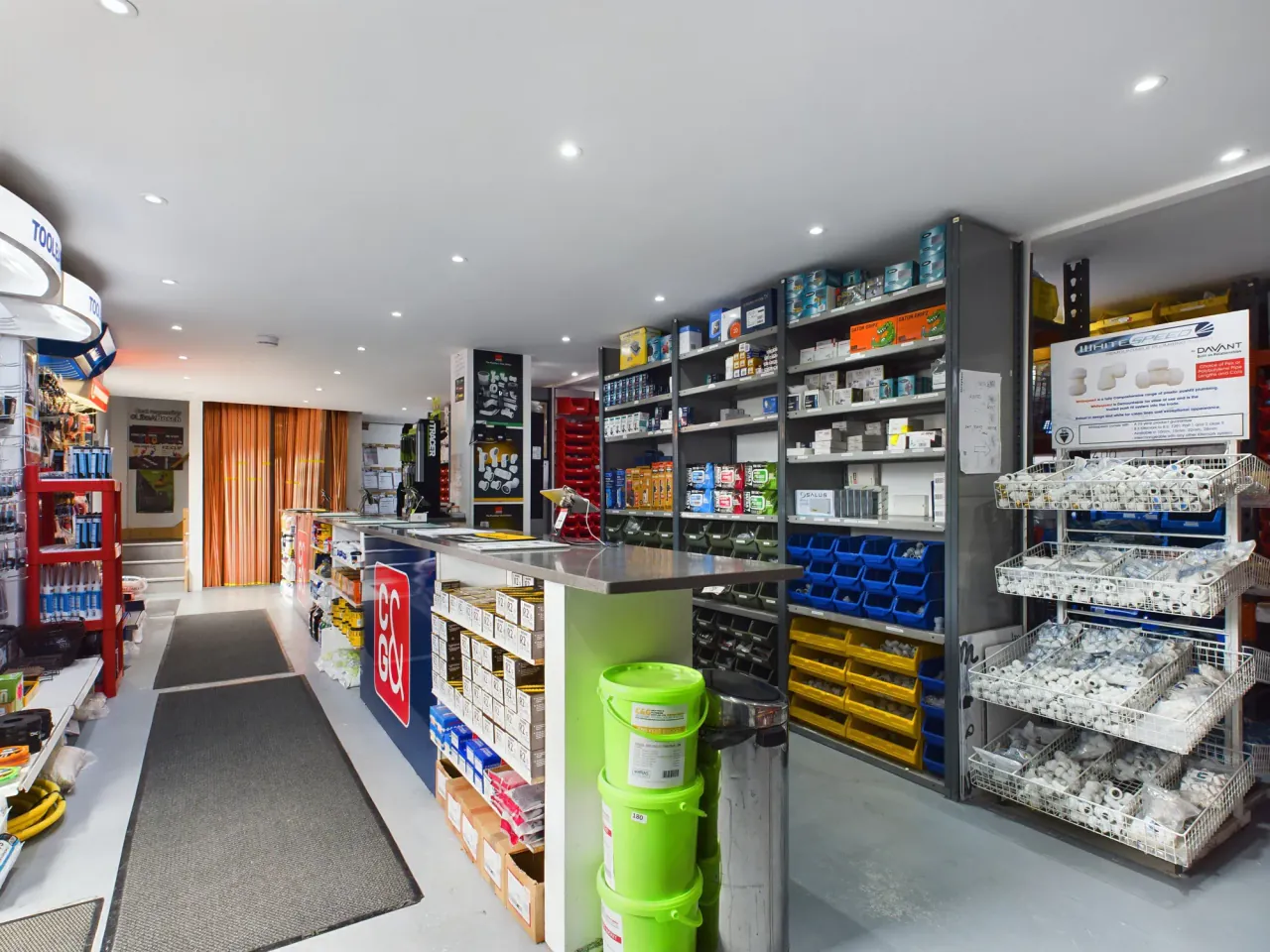 Stock control for a contractor: the unit, the vans and the jobsMerchants count stock because stock is the business. Contractors rarely do, and pay in materials bought twice, fittings that never reached a job, and a year-end figure nobody believes.Read it →
All 16 articles on commercial.
Have Google show you more of this.
Add Unibuild as a preferred source. Top Stories then favours Insights, and AI Overviews marks it preferred. One tap, and the same page undoes it.