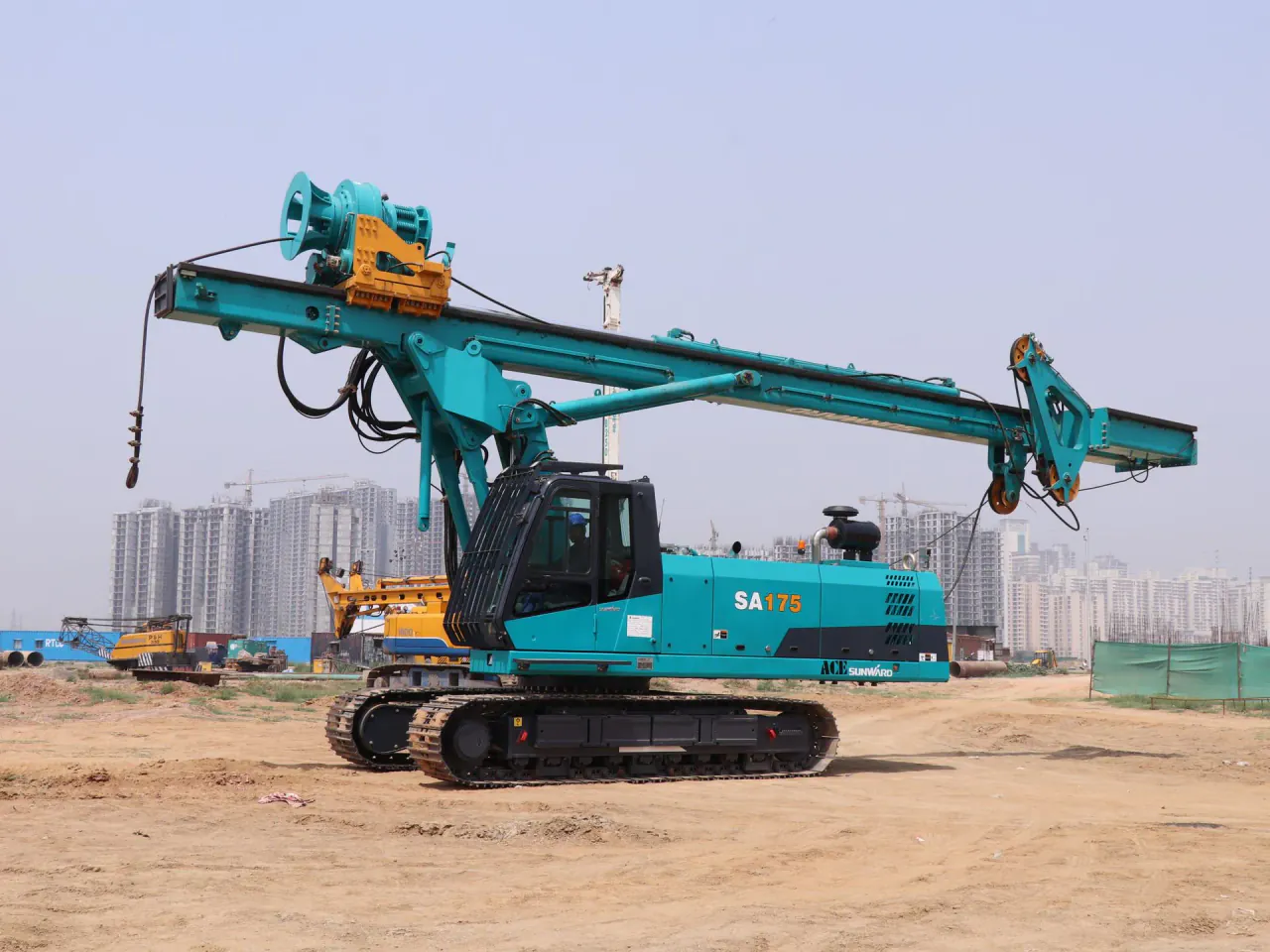
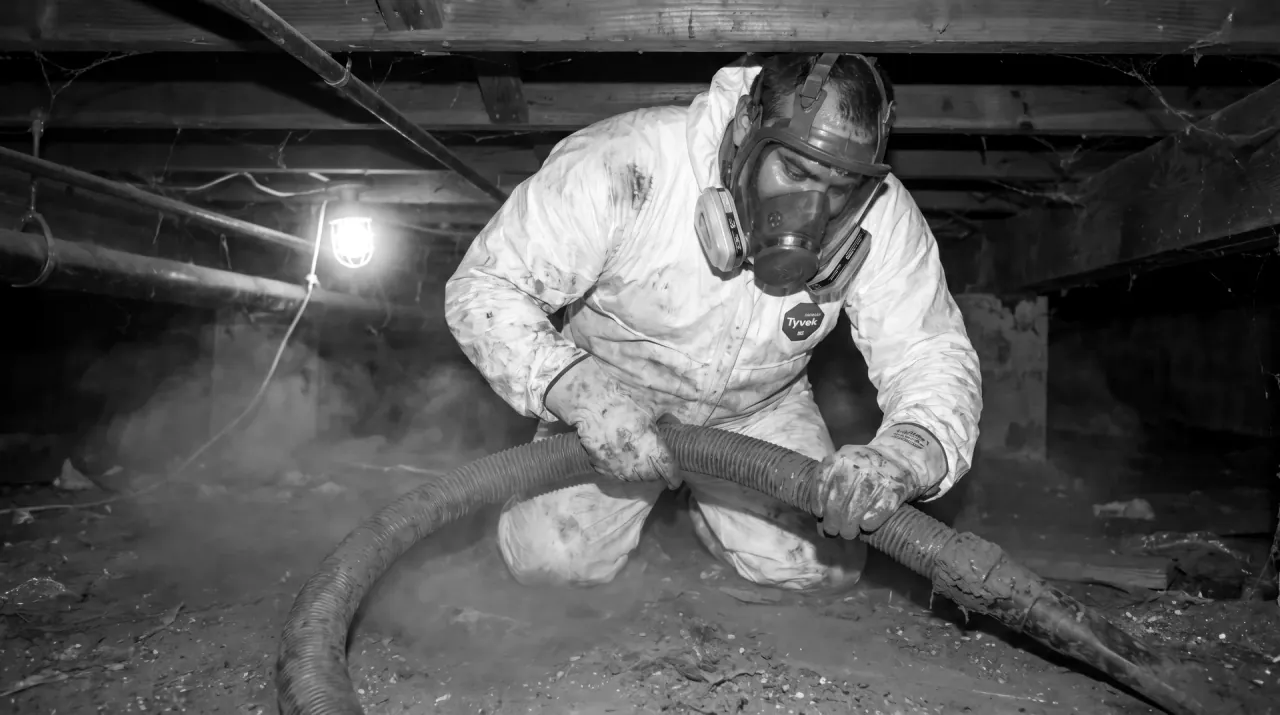
Every hole you dig has three clocks running on it.
The permit expires. The reinstatement is guaranteed for years after you leave. The operative's streetworks unit lapses on a date nobody is watching. Add a standby rota that produces hours which never reach a timesheet, and the exposure is in the dates rather than in the digging. Around thirty modules on one account, and a utilities contractor turns on the handful it needs.
Water, power, gas, telecoms or fibre: the apparatus differs, the office side does not.
The excavation is the part a utilities contractor already has right. It is the record behind it that decides the year: which permit covered which works on which date, who was qualified to supervise it, what the reinstatement was made up of, when the guarantee runs out, and how many hours the person on standby actually worked before they drove to the next job.
Unibuild is construction management software for UK contractors, built inside a contracting business rather than sold into one. One account carries the labour run, plant and equipment registers, materials and stock, certification and training records, documents, day works, variations and applications for payment.
Built for street works
What street works requires, and what Unibuild provides.
A fit-out job and a street works job look alike in a database. They stop looking alike at the permit, at the reinstatement, and at two in the morning on a burst. Each requirement below is followed by what the platform does about it.
The tradeThe platform
Qualified, or the works stop
Two people on site need registered units
Street works qualifications are held per unit and per role, and the site needs a qualified supervisor and a qualified operative before a spade goes in.
Units are held individually and renewed individually, typically every five years
Supervisor units and operative units are different qualifications
Signing, lighting and guarding is a unit in its own right
A lapsed unit is an unlawful works, not an administrative problem
Every unit, per person, turning amber first
The training matrix holds each streetworks unit against the person alongside CSCS, EUSR, confined space grades and medicals, in one grid that colours itself. The labour run reads the same account, so a crew is built from people who are in date.
Works in the highway run under a permit or notice from the street authority, with conditions, a start and a finish, and charges for overrunning.
Permits carry conditions on hours, lane occupancy and traffic management
An overrun attracts a daily charge that grows with the road category
A variation to the permit is a separate application with its own dates
The permit belongs to the works and expires whatever the contract says
The dates watched overnight, not on a wall planner
Permit references, conditions and end dates are held against the job as documents with dates, and the reminders engine checks them overnight so an approaching expiry is a notification rather than a discovery. Nothing is applied for or filed with the authority.
A reinstatement is guaranteed to the published specification for years after the crew has left, and a failure brings you back at your own cost.
The guarantee period is commonly two years, and longer for deeper excavations
What went in matters: layers, materials, compaction and surface type
Coring and inspection samples are taken by the authority, not by you
A defect years later is answered with the record made on the day or not at all
What went in, photographed, against the location
Each reinstatement is recorded against the job with its location, layers, materials and photographs taken at the excavation, signed on the phone. When the authority cores it three years later, the record is retrieved by the job rather than reconstructed from a diary.
Standby produces hours that never reach a timesheet
A rota that turns out at two in the morning for a burst main or a fault creates fatigue that no weekly total will show.
A callout at 0200 and a normal start at 0730 is not a rest period
The drive between incidents is work, and it is the part nobody records
Runs of consecutive nights build up across a rota nobody totals
After an incident, the hours worked beforehand become the evidence
Counted from the scan, warned before the shift
Advanced Fatigue Manager reads the day lines the timesheet already produces, adds travel at both ends, and counts shift length, rest between turns, consecutive shifts and nights against limits you set, warning the planner and the operative before the shift rather than after the incident.
The work is a long list of short visits across a district, each with its own permit, its own materials and its own paperwork.
A crew can do six locations in a day, each a separate record
Materials are drawn from a van rather than issued from a compound
Every visit produces a reinstatement record, a photograph set and a measure
The admin cost per job is the margin, because the jobs are small
One numbered record per location, off the phone
Each visit is its own job record with its location, its photographs, its materials and its measure, raised and closed on the phone by the crew rather than typed up in the office afterwards. The measure is priced on the rates the framework was won on and signed where the work happened.
Cable strikes and gas strikes are the trade's defining risk, and the controls are a stack of dated documents and calibrated instruments.
Plans are requested per site and go out of date on their own
Cable avoidance tools are measuring instruments with calibration dates
Safe digging practice is a briefed method, signed by the person digging
A lapsed instrument puts every dig it was used on in doubt
Instruments on the calibration register, methods signed at the hole
Every cable avoidance tool and signal generator is a record with a calibration date on the same expiry page as the plant, and the method statement is signed on the phone at the excavation against a frozen version, by the operative digging rather than by a supervisor on their behalf.
Counted in the deployment Unibuild was built on, July 2026: one expiry page carrying 376 assets, 141 subcontractor certificates, 84 accreditations, 80 health assessments, 55 instruments and 9 vehicles.
Excavation and backfill
Reinstatement layers
Duct and cable
Mains and services
Chambers and covers
Plant and instruments
Signing and guarding
Permits and records
The week
An ordinary week in a utilities contractor, and the record it leaves.
Six entries from a street works contractor's day book. Nothing here asks anybody to remember something in a van at the end of a fourteen hour day.
Monday, the crew
Next week's crews are built from people whose streetworks units and EUSR are in date. One supervisor unit expires on the Thursday and the job is re-crewed before the permit is applied for.
Caught before the permit
Tuesday, six locations
The crew does six addresses. Each is its own numbered record with its photographs, its materials and its measure, raised and closed on the phone before they move on.
Six records, not one list
At the hole
The cable avoidance tool scans back with its calibration in date, and the safe digging method is signed on the phone by the operative who is about to break ground.
Signed by the person digging
Wednesday, the reinstatement
Layers, materials and compaction are photographed against the location as the hole is closed. Three years later it is retrieved by the job rather than remembered.
Evidenced for the guarantee
Thursday, 0200
A burst takes the standby crew out for five hours. The hours land on the fatigue record, and the planner is warned before Friday's shift is confirmed.
Warned, then swapped
The application
Forty measured jobs are priced on the framework rates and go out as one application, built from records made at the locations rather than from a spreadsheet.
Assembled, not rebuilt
The test
Eight things utilities software has to do.
Written from what actually costs a street works contractor money or exposes it, rather than from a feature list. Unibuild is around thirty modules on one account, and a utilities firm turns on a handful of them.
Streetworks units per person, not a card in a wallet
The training matrix holds each unit individually, alongside CSCS, EUSR, confined space grades and medicals, and turns amber before a date passes. Units renew on their own timetable rather than together, which is why a single expiry date per person is the wrong shape and why the grid holds each one separately.
Permit dates watched by something that does not forget
Reminders and expiry checks twelve registers overnight and turns a date red before it passes. Permit references, conditions and end dates are held against the job as dated documents. Nothing is applied for or filed with the street authority, and the honest limits below say so plainly.
Reinstatement records that survive the guarantee period
Layers, materials, compaction and photographs are recorded against the location on the phone as the hole is closed, by the crew that closed it. Years later the authority cores it and the record is retrieved by the job. That is the only version of this that works, because the alternative is a diary entry nobody made.
Hours counted across a rota, including the callouts
QR clock-in timesheets put the hours against the job, timed by the server. Advanced Fatigue Manager reads the same day lines and counts door-to-door time, rest between turns, consecutive shifts and nights against limits you set. For a trade with a standby rota, this is the only place the turnout at two in the morning meets the normal start at half seven.
Instruments with calibration dates on the same page as the plant
Cable avoidance tools, signal generators, gas detectors and pressure gauges are records with calibration dates, watched on the same expiry page as the machines. A lapsed instrument puts every dig it was used on in doubt, which makes this the cheapest register on the system to keep right and the most expensive to get wrong.
Forty small jobs a week, each closed on the phone
Every visit is its own numbered record with a location, photographs, materials used and a measure, raised and closed by the crew where the work happened. Rate valuations price the measure on the framework rates and feed applications for payment, so an application is assembled rather than rebuilt from a spreadsheet.
Safe digging signed by the person breaking ground
RAMS are signed on the phone at the excavation against a version that freezes on submission, by the operative rather than by a supervisor on their behalf. Toolbox talks are signed in the room by the people who were in it. For the trade whose defining risk is a buried service, the difference between a signature and an attendance list is the whole point.
Vans as stores, and stock that leaves in one
Assets and inventory holds materials as quantities by item against locations, including vans, with an append only ledger. Duct, cable, fittings and reinstatement materials move on the record when they physically move, which for a trade with no compound is the only count that will ever be true.
Governing clauseEverything above is a record made at the hole, not typed up in the van.
The van
What a utilities contractor holds
Written for the trade rather than for any one firm. Most street works contractors will recognise eight or nine of these lines and ignore the rest.
What a UK utilities and street works contractor holds, and the tracking quirk in each line
Key
Category
Typical items
The tracking quirk
Detection instruments
Cable avoidance tools, signal generators, gas detectors, sondes
Measuring instruments with calibration dates, and a lapsed one puts every excavation it was used on in doubt
Duct and cable
Ducting by diameter, sub duct, draw rope, cable drums, jointing kits
Drawn from a van rather than issued from a compound, so the only reliable count is the one made when it leaves the drum
Pipe and fittings
MDPE and ductile pipe, valves, hydrants, couplings, anodes
Traceability matters on pressurised systems, so the batch is part of the record rather than a note on a delivery
Reinstatement materials
Type 1, bitmac, cold lay, concrete, kerbs, blocks, flags
What went in is the evidence for a guarantee lasting years, so the material is part of the reinstatement record, not the order
Chambers and covers
Chambers, frames, covers by loading class, marker posts, tape
Specified by loading class for the location, so the wrong cover is a return visit rather than a defect
The only category with no physical existence and the one that decides liability years after the crew has gone, so it is the one worth systemising first
Regulations
The regimes a utilities contractor works under
It is about who was qualified, what the permit allowed, what went back in the hole, and how long the person had been awake. This is the reference version, kept factual.
The regimes a UK utilities and street works contractor works under, and what each requires
Regime
What it requires
New Roads and Street Works Act 1991
The framework for works in the highway by undertakers: notices or permits to the street authority, qualified supervisors and operatives, the specification for reinstatement, and the guarantee period that follows. Operatives and supervisors hold registered qualifications in named units, held individually and renewed individually rather than as one card with one date.
Traffic Management Act 2004 and permit schemes
Most authorities now run permit schemes rather than notices, where each works needs a permit with conditions attached covering timing, lane occupancy and traffic management, and where overrunning attracts charges that scale with the road category. A variation is a separate application with its own dates, and the permission expires on its own timetable whatever the contract programme says.
The reinstatement specification and guarantees
Reinstatements are carried out to the published specification for the road category, covering layer thicknesses, materials, compaction and surface finish, and are guaranteed for a period after completion, commonly two years and longer for deeper excavations. The authority inspects and cores at its own discretion, and a failure is remedied at the undertaker's cost.
Chapter 8 of the Traffic Signs Manual
The signing, lighting and guarding of works in the highway, including layouts, taper lengths, cone spacing, lamps and pedestrian provision. It is guidance that becomes a condition through the permit, and an operative carries a unit in it. The equipment on the road is therefore a compliance item rather than a convenience.
Avoiding danger from underground services
HSE guidance HSG47 sets the expected controls for excavating near buried apparatus: current plans, locating with a cable avoidance tool and signal generator, safe digging practice, and a briefed method the person digging has actually accepted. Plans go out of date on their own and instruments carry calibration dates, so both are dated records rather than standing facts.
Confined Spaces Regulations 1997
Chambers, valve pits, sewers and deep excavations can be confined spaces, where entry is avoided if the work can be done another way and, where it cannot, a safe system of work and adequate emergency arrangements are required before anyone enters. Competence is a graded qualification with a rescue element, and the rescue equipment carries its own examination intervals.
CDM 2015
Street works are construction work, and a utilities contractor is a contractor and sometimes the principal contractor, with duties to plan, manage and monitor. On a long programme of small works the construction phase plan and the site specific arrangements have to keep pace with a job list that changes weekly. See the CDM 2015 guide.
Working time and fatigue
Shift length, rest between shifts, consecutive nights and travelling time are safety controls under the general duties in the Health and Safety at Work etc. Act 1974 and regulation 3 of the Management Regulations, alongside the Working Time Regulations 1998. A standby rota is where this bites hardest, because the hours it produces reach no weekly total. See fatigue management.
Waste duty of care
Spoil, broken surfacing and redundant apparatus leaving a street works are waste, described accurately, transferred only to an authorised person and evidenced by documentation kept for the required period. With no compound to store anything, the ticket is taken at the kerb by the crew or it is not taken at all. See waste transfer notes.
Sector schemes and client accreditation
Water, power, gas and telecoms clients each run their own approval regime on top of the statutory position: EUSR registration for water and gas operatives, utility specific safety passports, and the usual pre-qualification through Achilles, Constructionline or an equivalent. Each carries dated evidence that has to be produced on request rather than asserted.
On the record
Questions utilities contractors ask
The questions street works contractors actually raise on a demonstration, answered on the record. Open one to read the response.
The marketWhat software do UK utilities and street works contractors use?+
Most run a combination rather than a system: a street works management package that talks to the authorities for notices and permits, the client's own works management portal, a spreadsheet for crews and units, and an accounts package behind it. Unibuild sits on the contractor's own side of that: people, competence, plant, instruments, materials, site records and the money. It does not send a notice to a street authority, and the honest limits below say where it stops.
PermitsDoes it apply for permits or send notices to the authority?+
No, and nothing here should pretend otherwise. Notices and permit applications go through a street works management system connected to the authority's scheme, and this does not replace it. What Unibuild does is hold the permit reference, its conditions and its end date against the job as a dated document, and watch that date overnight so an approaching expiry is a notification rather than something somebody notices on the Friday.
CompetenceCan it hold streetworks units individually, not just one card?+
Yes, and that is the right shape for this trade. Units renew on their own timetable rather than together, and supervisor units and operative units are different qualifications, so a single expiry date per person is the wrong model. Each unit sits against the person alongside CSCS, EUSR, confined space grades and medicals, in one grid that turns amber before a date passes. The crew planner reads the same account.
ReinstatementCan we prove what went back in a hole three years later?+
Yes, if it was recorded at the hole. Layers, materials, compaction and photographs are captured against the location on the phone as the excavation is closed, by the crew that closed it, and retrieved later by the job. What it does not do is calculate the specification for you or tell you whether the reinstatement complies. That judgement stays with your supervisor, where it belongs.
FatigueWe run a standby rota. Can it show us the hours?+
Yes, and this is the gap almost every utilities firm has. A callout at two in the morning followed by a normal start at half seven is not a rest period, and no weekly total will show it. Advanced Fatigue Manager reads the hours already recorded, adds the travel at both ends, and counts rest between turns, consecutive shifts and nights against the limits you set, warning the planner before the next shift is confirmed. It warns rather than blocks, deliberately.
InstrumentsWill it watch cable avoidance tool calibration dates?+
Yes, on the same expiry page as the plant and the vehicles. Each instrument is its own record with a calibration date, and the page turns it red before the date passes. This is the cheapest register on the system to keep right and the most expensive to get wrong, because a lapsed instrument puts every dig it was used on in doubt rather than just the next one.
VolumeWe do forty small jobs a week, not one big site. Does that work?+
It is the shape the field app is best at. Each visit is its own numbered record with a location, photographs, materials and a measure, raised and closed by the crew where the work happened rather than typed up that evening. The measure is priced on the framework rates and feeds the application, so a month's work is assembled rather than rebuilt in a spreadsheet. The admin cost per job is the margin in this trade.
StockOur stores are vans. Can it track stock that way?+
Yes. Materials are held as quantities by item against locations, and a van is a location like any other, with an append only ledger so stock moves on the record when it physically moves. There is no reconciliation engine arguing a van count against an office figure. What changes is that you have a running figure per van instead of a guess and an annual stocktake nobody trusts.
Client portalsDoes it connect to our client's works management system?+
Not as standard, and it is worth scoping this at the start rather than discovering it in month two. Each utility client runs its own portal and its own data format, and there is no generic connector. Unibuild is bespoke, so a feed to a named client's system is a scoping conversation and it is written for you and included in the monthly fee. What exists today is export, which most firms use while the integration is being built.
AdoptionWill crews actually use it at the kerb?+
Only if what you ask of them is small. The realistic answer is three things on the phone for a crew: clock in, the safe digging signature, and the reinstatement record with photographs. Everything else stays with the office and the supervisor. Permissions are granted per person, so that is a configuration rather than a compromise. The app is built for patchy coverage, which in a chamber under a pavement is the normal condition.
PricingHow is it priced, and do you charge per operative?+
Users are unlimited and the price does not change when you take crews on, which matters in a trade that flexes with the framework. There is no published rate card, because a twelve person firm running three modules and a hundred and fifty person firm running twenty are not the same product. Pricing is worked out against the size and shape of the business on the demonstration, and it is fixed for three years from the date of the quote.
RolloutDo we have to move everything across at once?+
No, and it is usually a poor idea. Most utilities contractors start with competence and instruments, because a lapsed unit or a lapsed calibration stops work, or with the timesheet and the hours behind the standby rota. Add modules once the first is habit. Firms go live in stages, with a first crew usually running inside two weeks, and migration of your existing people and instrument records is done for you.
Five things a street works contractor asks for that are not in the platform as it stands. Unibuild is bespoke, so each one is a scoping conversation rather than a dead end: customer specific modules, fields, rules and reports are written on request and included in the monthly fee.
Notices and permit applicationsNothing is sent to a street authority. Permit references, conditions and dates are held and watched; the application goes through your street works system.
Client works management portalsNo generic connector to a utility client's own system. A feed to a named client is built on request rather than shipped.
Reinstatement compliance checkingWhat went in is recorded and photographed. Nothing calculates the specification or judges whether the reinstatement complies.
Buried apparatus plansPlans are held as documents against the job. There is no mapping layer and no link to a plans provider.
Tachograph and drivers' hoursSite, van and travel hours are counted. Driving hours stay with your tachograph analysis and are read alongside rather than merged.
Other trades
Not quite your line of work?
The same platform, written for the trade that runs it. Each of these is a different set of modules switched on rather than a different product.
Return slip
Come and try it on one week of jobs.
Half an hour, on your own job list and your own crews. Bring a week of locations and the standby rota, and we will set both up in front of you. Unlimited users, never per seat, and fourteen days to try it without a card.