For glazing and window installers

Measured once, fitted once,
and certified.

Software for glazing and window installers that starts with the survey, because the survey is the order. Every installation carries its address, its schedule of openings, its photographs and its completion date. Fitting teams are valued by the frame, and glass handling equipment stays inside its examination date.

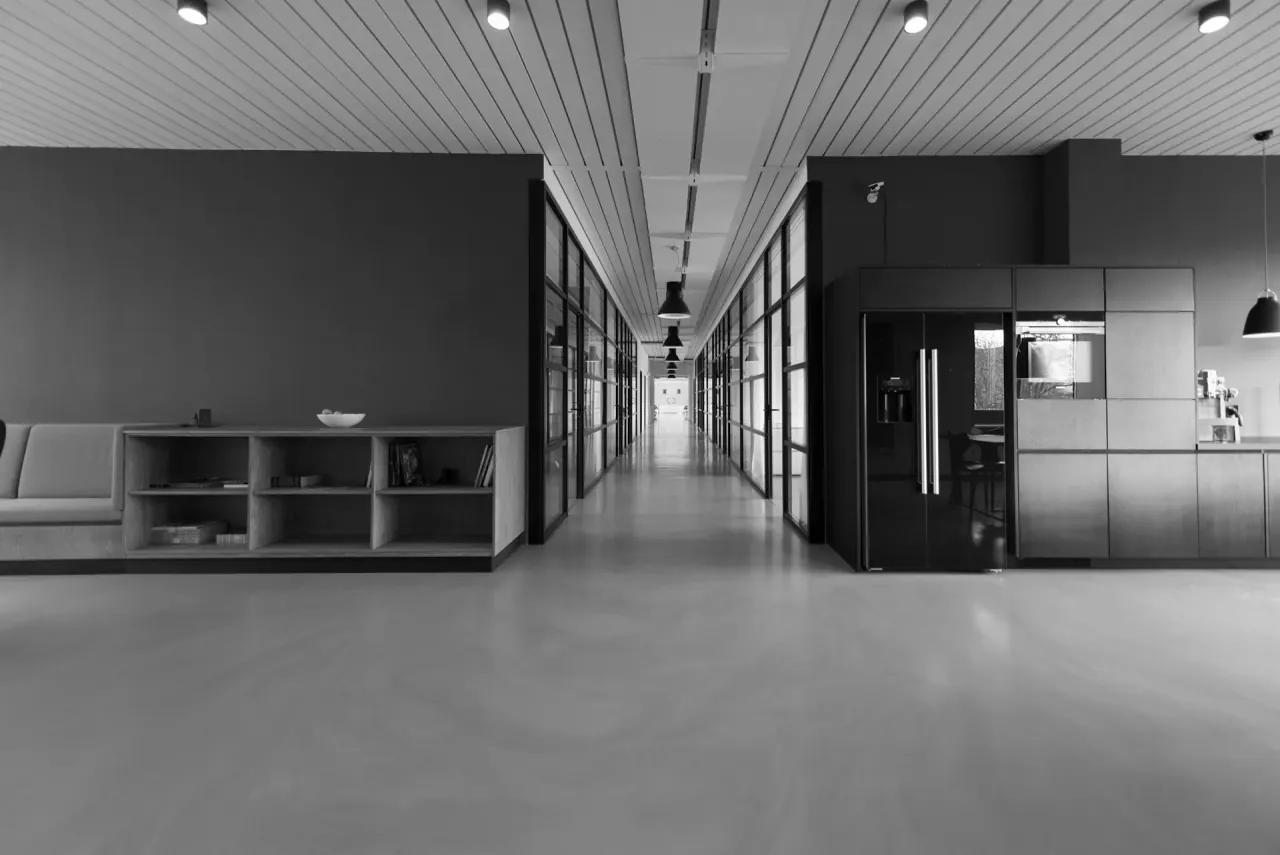
A corridor of full height glazed partitions in an office interior
The office side

From the survey sheet to
the certificate on the doormat.

Replacement windows across a housing programme, doors and screens on a new build, or glazed partitions in a fit-out: the product differs, the record behind it does not.

  1. Fitting a frame square, packed and sealed is the part a glazing firm already does well. The cost sits either side of it. A measure taken wrong becomes a remake, and an installation finished without its record becomes a certificate nobody can lodge.

  2. Unibuild is bespoke construction management software for UK contractors: a platform in daily production since 2016, shaped to the way each firm already works. One account carries surveys and quotations, purchase orders, the labour run, fitting teams and their payments, the plant register, documents and applications for payment.

Built for glazing

What window and glazing work requires,
and what Unibuild provides.

A window is made to one opening and to nobody else's. That single fact shapes the survey, the order, the fit and the paperwork. Each requirement is followed by what the platform does about it.

The measure is the order

A survey taken wrong is paid for twice

Frames are made to measure, and the factory builds exactly what the surveyor wrote down. A transposed figure or a missed cill projection arrives weeks later as a frame that does not fit.

  • Width, height, style, opening and glass spec per opening
  • Escape and safety glazing decided at survey, not at fitting
  • Photographs of the reveal, the cill and any lintel concern
  • Remakes cost the frame, the second visit and the resident's patience
The survey captured on the phone, against the job

Engineers reports and site surveys run in the field app, with your own survey form, photographs and a signature. The quotation is priced from that record and your price lists, so the figures on the order are the figures taken at the opening.

Notifiable building work

Every replacement window in a home is notified

In England and Wales, replacing a window or external door in a dwelling is building work. A member of a competent person scheme such as FENSA or Certass self-certifies it and notifies it within thirty days of completion.

  • The owner receives a certificate that a buyer's solicitor will ask for
  • The lodgement needs the address, the completion date and what was fitted
  • Scheme inspections sample finished installations against the rules
  • Outside a scheme, the route is a building control application
The record the lodgement is made from

Each installation is a job carrying its address, schedule of openings, product details, photographs and signed completion. The notification is made from a finished record rather than rebuilt from a delivery note, and documents and certificates issues the handover on your letterhead.

One opening, four regulations

Each opening carries its own compliance answer

A replacement window in an existing home meets a U-value of 1.4 W/m²K or Window Energy Rating band B. Glass in a critical location breaks safely. An escape window stays an escape window, and ventilation is left no worse than before.

  • Part L sets the thermal performance
  • Part K sets safety glazing in doors, side panels and low glazing
  • Part B protects the escape window on a first floor
  • Part F covers background ventilation and trickle vents
Photographed at the opening, filed against the job

Progress photographs are taken on the phone and held against the job, and you choose what the client sees. The glass specification, the safety mark in the corner and the finished trickle vent sit on the same record as the order.

Glass is heavy and hired

Handling equipment is lifting equipment

Large units go in with vacuum lifters, glazing robots and mini cranes. Each one is lifting equipment under LOLER, with a thorough examination on its own date and a certificate that has to be on site.

  • Vacuum lifting attachments are examined on their own interval
  • Hired kit arrives with somebody else's certificate
  • Operators need training that is recorded and in date
  • Glass stillages and racks belong to the supplier and must go back
A plant register that watches the examination date

Assets and inventory holds each lifter, robot and stillage by serial number with its examination record and service history. An examination falling due is flagged thirty days out, and the operator's training sits on the matrix beside it.

Paid by the frame

Fitting teams are valued per unit, often under CIS

On a housing programme, a fitting team is paid by the window, the door and the extra. Most are subcontractors, so every payment needs the agreed rate, a verified CIS deduction and a statement.

  • Rates per frame type, per door and per making good item
  • Completed units counted per property and signed off
  • Deductions on the labour element only
  • An expired insurance should stop a team before it starts
Measured on site and priced on the agreed rates

Rate valuations captures the count per property, prices it from the job rate card and gets it signed before anyone leaves. Financial management runs the CIS deduction by HMRC tax month, and a team whose cover lapses drops out of approved status overnight.

The guarantee outlives the job

A misted unit in year six is a call-back

Windows and doors are guaranteed for years. Failed seals, dropped sashes and handles come back as call-backs, and the first question is always what was fitted, where and when.

  • The frame reference and glass spec answer the warranty claim
  • Residents report faults by phone, email and through the landlord
  • A call-back attended without history takes two visits
  • Every attendance needs its own signed record
One numbered record from the phone call to the invoice

Call-outs and reactive attendance open against the original installation, so the fitter arrives knowing what went in. A landlord client can raise the call-out through the client portal and it lands as a job.

The week

An ordinary week in a glazing firm,
and the record it leaves.

Six entries from a window installer's day book, each ending in a record rather than a note.

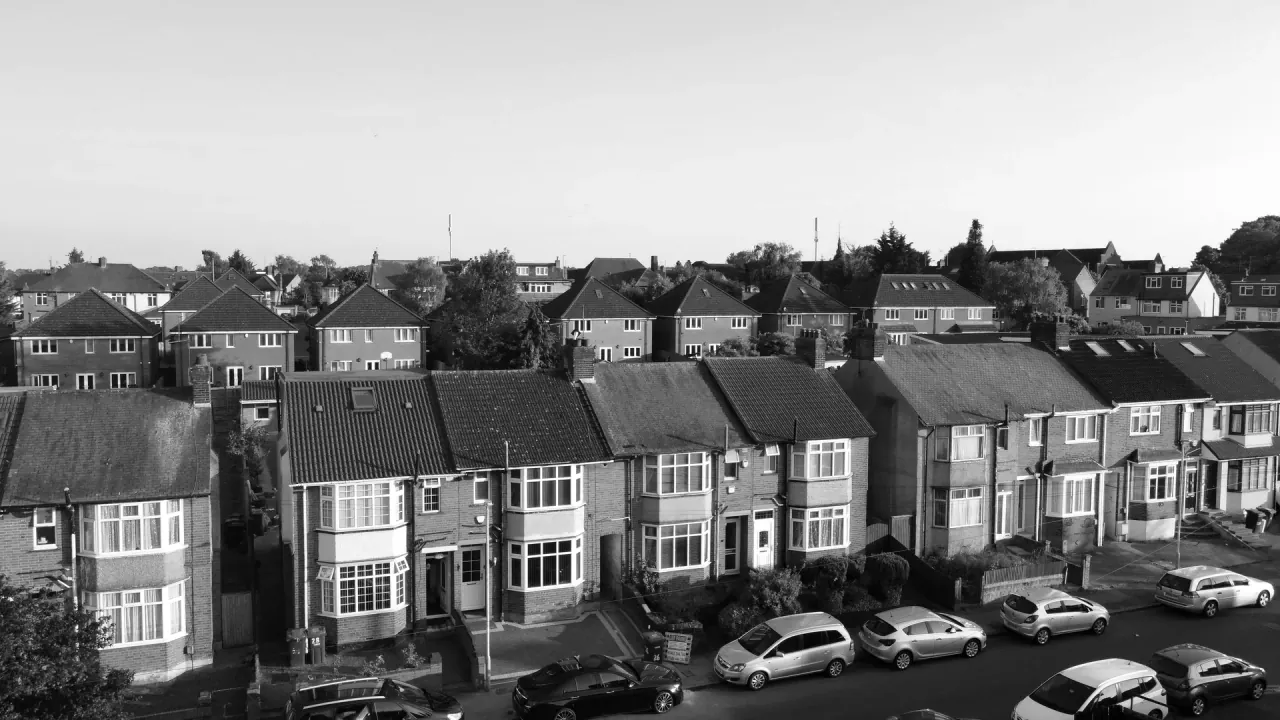
A street of British semi detached houses, the housing stock a window replacement programme works through
Monday, the survey

Twelve properties on a programme are surveyed. Each opening is measured, photographed and flagged for escape or safety glazing on the phone, against the property.

Measured at the opening
Tuesday, the order

The order to the fabricator is raised from the survey record and approved by a named person. Nobody retypes a width from a clipboard.

Ordered as surveyed
Wednesday, the yard

The vacuum lifter's examination is due next month. It was flagged thirty days out, and the engineer is booked.

Examined before it lapsed
Thursday, the fit

A team fits six windows and a door. Completion photographs, the resident's signature and the count go in before they leave the street.

Counted and signed
Friday, the office

The week's installations are notified from finished records. The team's valuation is priced on the agreed rates, with the CIS deduction calculated.

Notified and paid
Six years later

A resident reports a misted unit. The call-back opens against the original installation, with the glass spec and the fitting date already on it.

One visit, not two
Your system, your app

Shaped to your firm,
published under your name

Anything a firm needs, Unibuild builds for it. Changes asked for after go-live are included in the monthly fee rather than charged at a day rate. See how bespoke construction software works at Unibuild.

  • Your survey sheetYour survey form, your opening schedule and your completion sheet are set up the way your surveyors and fitters already work. Nobody relearns the job to suit the software.
  • A working startThe build starts from a working platform rather than an empty screen. A firm gets the fit of a bespoke system without the cost, the timescale or the risk of commissioning one from scratch.
  • Your app on the storesYour staff app is published on the App Store and Google Play under your company's own name and icon. The fitter downloads the installer's app, not ours. How the branded staff app works.
  • Your letterheadThe office portal carries your name, logo and colours, and fifty-eight document types generate on your own letterhead, from the quotation to the handover.
The stores

What a glazing and window
firm holds

The yard, the vans and the frames in transit, and the quirk in each line that breaks ordinary inventory software.

What a UK glazing and window installer holds, and the tracking quirk in each line
CategoryTypical itemsThe tracking quirk
Frames and doorsPVCu, aluminium and timber windows, composite and residential doors, screensMade to one opening, so a frame in the yard is not stock. It belongs to one address and is useless anywhere else
Sealed units and glassDouble and triple glazed units, toughened and laminated panes, replacement units for call-backsSafety glass is marked in the corner and the mark is the evidence, so the photograph matters more than the delivery note
Fixings and sundriesFrame fixings, packers, cill extensions, trims, silicone, expanding foam, trickle ventsCounted by the box and used by the handful, and the trickle vent that was missed is a compliance question
Handling equipmentVacuum lifters, glazing robots, mini cranes, suction cups, trolleysLifting equipment under LOLER, each on its own examination date, and often hired in with somebody else's paperwork
Stillages and racksA-frames, glass stillages, van racksMany belong to the supplier and are charged for if they do not go back, so they are a liability that looks like kit
AccessTowers, podiums, ladders, MEWPs on commercial workInspected before use and on a schedule, and the tower on one job is the one missing from the next
VansGlazing vans with external racks, dropsidesEach carries frames for one street and sundries for every street, which are two different kinds of stock
Records and certificatesSurveys, orders, completion sheets, notification references, guaranteesNot stock, but the product the owner keeps. Each belongs to an address, because that is how it will be asked for years later
Regulations

The regimes a glazing and
window firm works under

Written for installations in England and Wales. Scotland and Northern Ireland run their own building standards. The reference version, kept factual.

What each regime asks of a glazing and window installer
RegimeWhat it requires
Building Regulations and competent person schemesReplacing a window or external door in a dwelling is building work. A competent person scheme member, such as a FENSA or Certass installer, self-certifies it and notifies it within thirty days of completion. The owner receives a certificate. Otherwise the work goes through building control.
Approved Document LReplacement windows in existing dwellings meet a U-value of 1.4 W/m²K or a Window Energy Rating of band B. New dwellings are assessed as a whole building.
Approved Document KGlazing in critical locations, such as doors, side panels and low level panes, breaks safely, resists impact without breaking, or is shielded. The classification is marked on the glass.
Approved Document BAn escape window serving a habitable room keeps a minimum clear opening and a maximum cill height. A replacement must not leave the escape route worse than it was.
Approved Document FReplacement windows must not reduce the ventilation of the dwelling. Where the old windows had background ventilators, the new ones need them too.
LOLER 1998 and manual handlingVacuum lifters, glazing robots and cranes are lifting equipment, thoroughly examined at set intervals with a written report. Moving large units by hand is assessed under the Manual Handling Operations Regulations.
CDM 2015, CIS and the VAT reverse chargeInstallation on a construction project sits under CDM. Payments to fitting subcontractors fall under the Construction Industry Scheme, and the domestic reverse charge for VAT applies to most business to business construction supplies.
On the record

Questions glazing and
window firms ask

The questions window and glazing installers raise on a demonstration, answered on the record.

The marketWhat is the best software for a UK window and glazing installer?
The right system runs the survey, the order, the fit and the payment from one record per installation. Unibuild does that on one account. Surveys are taken on the phone, quotations priced from them, installations completed with photographs and a signature, and fitting teams valued on agreed rates with CIS handled.
CertificationWhere does the information for a FENSA or Certass notification come from?
From the finished installation record. Each job carries the address, the completion date, the schedule of openings and the product details, with photographs and the signed completion. The office makes the notification through its scheme from that record, and the reference is kept against the job.
SurveysCan surveyors record measurements and photographs on site?
Yes. The survey runs on the phone as your own form, per opening, with photographs and a signature. It is held against the property, so the quotation and the order are built from the figures taken on site rather than copied from paper.
ProgrammesCan it run a social housing window replacement programme?
Yes. Each property is a record on the programme, with its survey, order, installation and completion. Completed units are counted and signed per property, priced from the contract rates, and applied for monthly with retention carried. The landlord can see its own properties through the client portal.
FittersCan we pay fitting teams per frame?
Yes. The count per property is priced from the team's rate card and signed on site. Each subcontractor carries their UTR, verification reference and deduction rate, deductions are taken on the labour element only, and statements issue by HMRC tax month.
PricingHow is it priced, and do you charge per fitter?
No, users are unlimited on every plan. The fee is one flat monthly figure that covers everything, quoted in writing, usually the same working day, and fixed for three years. There is no setup fee, and most firms go live in about two weeks, in phases.
Neighbouring tradesWe also do curtain walling. Which page is ours?
Both, in part. This page covers windows, doors, screens and glazing packages. Curtain walling and rainscreen, where every layer covers the evidence for the one beneath it, sit on facade and cladding contractors. Firms doing both run them on one account.
Other trades

Not quite your
line of work?

The same platform, written for the trade that runs it.
Each of these is a different set of modules
switched on rather than a different product.
Every one is shaped to the firm's own process,
with its own app under its own name.

Other trades
Return slip

Half an hour, on your own installations.

Bring one survey sheet and one completed installation. We will build the survey form and the installation record from them in front of you on the call.

Bring
One survey sheet and one completed job
Takes
30 minutes
Phone, UK hours
+44 7587 557546