
Knowing what plant you own
and where it is.
The losses are quiet: kit that walks between sites, kit hired because nobody could find the one you have, and kit written off that is still in a container.
Published ·Updated ·5 min read·Written by Darshan Parmar, Founder
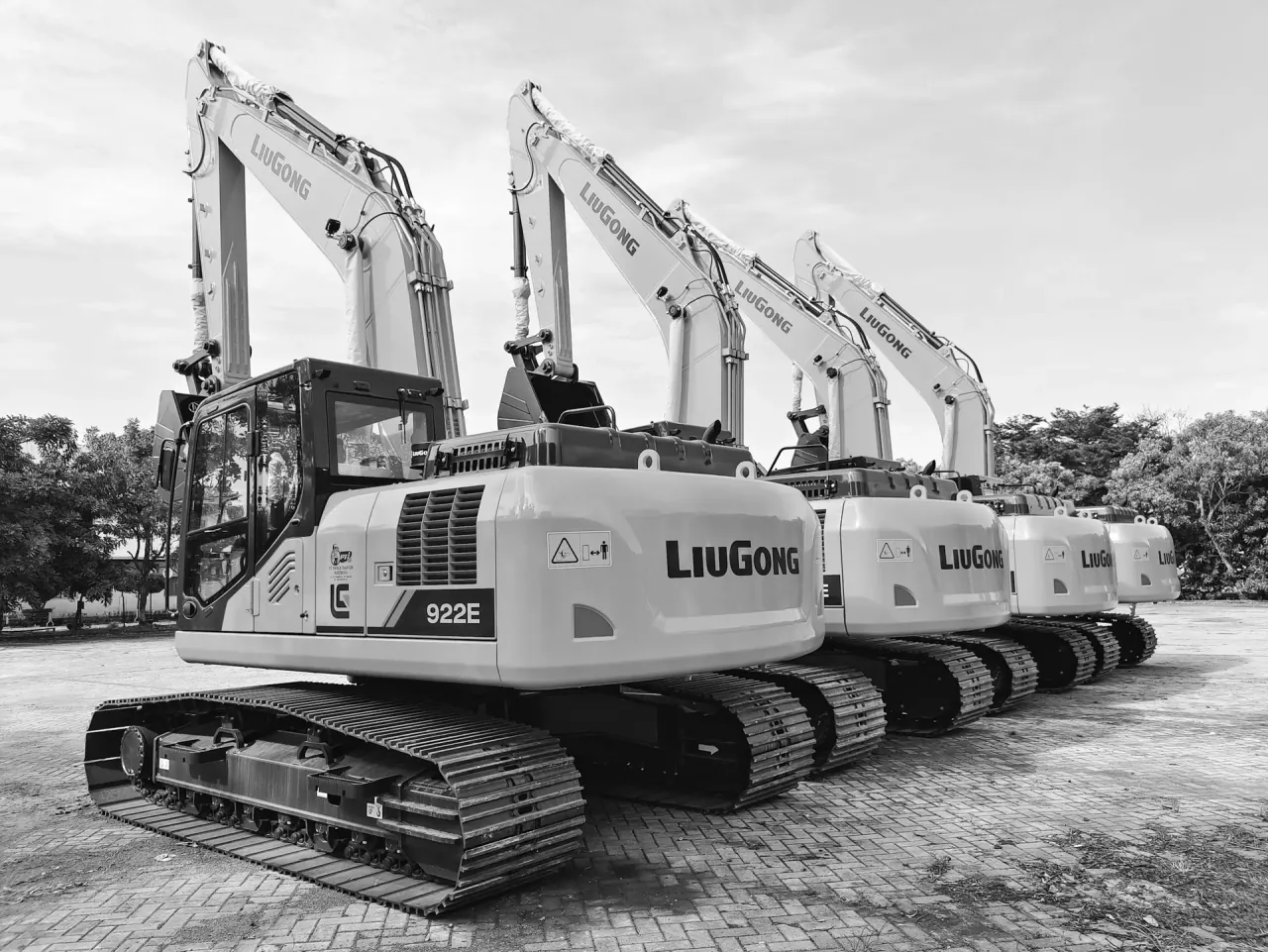
A useful plant register records what each item is, its serial or identification number, its value, where it is now, who signed for it, and its service and inspection dates. Without the last two it cannot answer the questions that actually cost money: is this on hire when we own one, and can we prove this was ours. Firms that solve it record each move as kit changes hands, by a scan or a signed transfer on a phone.
The losses are quiet, which is why they persist
Nobody notices an asset going missing. Assets do not announce their absence, and on a business with kit across six sites there is always a plausible explanation for why something cannot be found today.
What firms do notice, eventually, is the pattern, and it takes three forms.
- Hiring something you already own. The most common and the most irritating. A site needs a piece of kit, nobody can establish whether the company has a spare or where it is, so it gets hired. The hire is a visible cost with an invoice; the owned item sitting in a container two sites away is invisible.
- Migration. Kit moves between jobs with the people who need it, and after four moves nobody can say where it went or which job is carrying it. The cost lands on whichever job happens to be open.
- Written off but still present. Items depreciated to nothing or written off after a theft that never happened, physically still in the yard, being maintained and insured by a company that does not know it owns them.
Nobody ever notices a tool going missing. They notice hiring one they already own, and by then the first loss is months old.
What a register has to hold
Six fields, and the last two are the ones that make it more than a list.
- What it is, described well enough for somebody who has not seen it to identify it.
- Its identification. Serial number, asset tag, and any security marking such as CESAR on plant. This is the field that matters after a theft.
- Value and purchase date, for insurance and for the decision about whether repairing it is sensible.
- Current location and holder, meaning a site and a person rather than just a site.
- Movement history, so a location is a current answer rather than the last time anybody updated it.
- Service and inspection dates, because plant with an expired thorough examination is not an asset, it is a stopped job. That connects to the certificates that expire without anybody noticing.
Movement is the part that fails
Every firm can produce a list of what it bought. Almost none can produce a reliable answer to where things are now, and the reason is that movement happens on site, at speed, by people whose job is not administration.
Which means a movement process only works if it takes seconds and happens at the moment of the move. A signed transfer note, or a scan, at the point kit changes hands. Anything that requires somebody to remember to update a spreadsheet when they get back to the office will be accurate for about a fortnight.
The test of whether yours works: pick three items at random from the register and go and find them. Most firms doing this for the first time find one of the three is not where the record says.
Proving ownership after a theft
This is where the register either exists or does not, and it cannot be created afterwards.
An insurer dealing with a plant or tool claim will want to know what was taken, that it was yours, and what it was worth. That means the description, the serial number, a purchase invoice, and ideally photographs. A claim supported by that is straightforward. A claim supported by a recollection that there were roughly a dozen power tools in the van is not, and the settlement reflects it.
The police position is similar: property with a recorded serial number and a security marking can be identified and returned; property without cannot, which is a substantial part of why so little stolen equipment is ever recovered.
Owned against hired, which matters more than it looks
Worth keeping the two clearly separated on the same register rather than in different places.
Hired plant is not yours, which changes the insurance position, changes what an administrator can take if the hirer fails, and creates an obligation to return it. Owned plant is an asset with a value and a depreciation position. Firms that hold both in one undifferentiated list end up insuring things they do not own and forgetting to off-hire things they never owned, which is the subject of a separate article on off-hire charges.
What contractors move to
Three routes, and the choice turns on how much kit moves and how often.
- A disciplined spreadsheet register. The six fields above, one named owner, and a monthly check of ten items picked at random. It holds for a single yard with a few dozen valuable items.
- Off-the-shelf asset tracking or job software. Labels on the kit and a register on the phone, so a move is a scan. The yard adopts the product's process for requests, transfers and returns.
- A bespoke platform. The register, the stores, hire and job costing on one record, shaped to how the yard already issues and collects.
Unibuild sits in the third group: bespoke business software for trades that has run a central yard feeding live sites since 2016, shaped to each firm's own way of working. In assets and inventory, every item of plant is serialised, valued and located against its current job or store. The register doubles as the schedule an insurer asks for, and a QR label on the machine opens its entry, service history and certificates on the phone.
The point is less the register than the movement. Deliveries, collections and site-to-site transfers are signed for at the moment kit changes hands, in the firm's own staff app, published under its company name and icon. Maintained assets carry their inspection and PPM dates, so an item coming up for thorough examination produces a prompt rather than being discovered expired at a gate.
Where to start, on Monday
Do not attempt a full inventory. Take the ten most valuable items you believe you own and answer two questions about each: where is it, and can you produce a serial number and a purchase invoice.
Whatever you cannot answer for those ten is the answer for everything below them. Then start the register with those ten rather than with everything, because a register of the valuable items that is accurate beats a register of everything that is not.
The follow-up questions.
The related and entirely preventable leak is in off-hire, and the charges that keep running.
How do I keep track of tools and plant across multiple sites?
What are the real costs of not tracking plant?
How do I start an asset register from nothing?
Should small tools be on the asset register?
Should hired plant be on the same register as owned plant?
How do I test whether my asset register is accurate?
How often should the asset register be checked against reality?
What should a plant inspection checklist cover?
How do I prove I owned tools that were stolen?
How do I prove ownership of tools that were stolen?
Know what you own, and where.
Most firms do not lose plant. They lose track of it, which costs the same and is harder to claim for.
- Thirty minutes, weekdays, from tomorrow.
- Nothing to prepare. Bring a job number and we mock that job up.
- You drive it. There is no slide deck.
- You keep what you saw as a 14-day trial. No card.
More from Insights.
 Off-hire, and the charges that keep runningHire runs until the item is off-hired, not until you finish with it. A preventable loss that every contractor recognises and almost nobody has a process for.Read it →
 QR codes on construction sites, and what a scan is actually worthA QR code at the gate is cheap to print and easy to oversell. What a scan proves, where the posters go, and the four things that decide whether the record survives a dispute.Read it →
 Stock control for a contractor: the unit, the vans and the jobsMerchants count stock because stock is the business. Contractors rarely do, and pay in materials bought twice, fittings that never reached a job, and a year-end figure nobody believes.Read it →
All 6 articles on plant and assets.