Why bespoke?

Why bespoke? Because no two
trade firms work the same way.

A standard product adds your firm as one more account and asks you to work its way. Unibuild is truly bespoke: built around your people, your paperwork and your way of working, and published under your own name. The core underneath has been in daily production since 2016.

Two people working through a drawing together at a desk
Side by side

Both are software. Only one of them is yours.

Five differences a director notices in the first month. The rest of the page explains each one.

A standard subscription product compared with a truly bespoke system on Unibuild
The differenceA standard productTruly bespoke, on Unibuild
Who it is built forThe average firm in its marketYour firm, and nobody else
How you workYour firm adapts to the productThe system is built around how you already work
Something you need that it does not doA request on the vendor’s roadmapBuilt for you, inside the monthly fee
The app your people installThe vendor’s, under the vendor’s nameYours, under your name on the App Store and Google Play
When you take on more peopleUsually a bigger billNothing changes. Users are unlimited
What truly bespoke means

Everything your people touch is made for your firm.

From the first screen an operative sees to the paperwork your client receives.

Built around how you work

Your forms and paperwork

Timesheets, permits, day work sheets and certificates carry your fields, in your order, in the words your people already use.

Your approval routes

Who approves an order, a timesheet or a holiday, and up to what value, follows your own authority levels.

Your specialist work

A register, a module or a document that exists nowhere else is specified with you and built for the work only your firm does.

In your name

Your app in the stores

Your staff app is published on the App Store and Google Play under your company’s own name and icon. Your operatives download your app, not ours.

Your colours and web address

The office portal carries your logo and colours at your own web address, and 58 document types go out on your letterhead.

Your system’s own name

EMS calls its system EMS Maestro. SME Building Services calls its SME Smartsites. Yours carries whatever name you give it.

In one line Built for you, in your name On a core in daily production since 2016
Named examples

Two featured firms.
Two systems. Two names.

A standard product is one name on every customer’s phone. A bespoke system takes the name of the firm it was built for. Both of these are published in the app stores today.

EMS Maestro
Electrical & Mechanical Services (UK) Ltd, a London temporary site services contractor, has run on Unibuild since 2016. Its field team carries EMS Maestro, Maestro for short, on Android and iPhone, listed on Google Play and the App Store under that name. Engineers clock in, order plant and materials and complete certificates in it. Read the EMS case study.
SME Smartsites
SME Building Services, a mechanical, electrical and air conditioning contractor in Croydon, has run on Unibuild since 2023, across 48 active users and 120 projects. Its app is SME Smartsites, published on Google Play by SME Building Services Ltd itself and on the App Store under the same name. About two thirds of all its hours now arrive from a code scanned at the gate. Read the SME case study.
The same core, two working days
Each firm uses modules the other has never switched on. The platform underneath is the same. The system each firm runs is its own, from the colours to the way an order is approved.
A name is a small thing
A firm names something that belongs to it. That is what the two names prove: the forms, the modules, the colours and the way the work flows were made for that firm.

Another featured business, C&G Heating & Plumbing Supplies, a builders merchant in Erith, runs its stock control and trade counter on a system Unibuild built for that business alone. Read the C&G case study.

Why trades in particular

No two firms run the same way, so no fixed product fits them all.

A standard product is written for the average firm. In the trades there is no average firm.
The office
A two-person office approves on trust and a ten-person office approves by role and by value. One fixed product cannot hold both, so one of them works around it. Your system holds yours.
The people
Who may sign what depends on who you employ: the Gas Safe registered engineer, the competent person for the RAMS, the supervisor who approves hours. Your system follows your people’s qualifications rather than a generic list of roles.
The work
Water hygiene, fire doors, temporary power, calibration, scaffold inspections. Each has forms, registers and certificates a general product never meets, and each is built for the firm that does it.
The clients
A main contractor wants an application for payment, with retention held and CIS worked to HMRC tax months. A householder wants an invoice. A facilities client wants the certificate for every asset. Your system produces what your clients expect, on your letterhead.
The habits
How the week is planned, how overtime is agreed, how a day work sheet is signed. The habits that work are built in. The ones you want to change are changed with you.
The trade
Construction is one of more than thirty trades on the platform, alongside electrical, mechanical, roofing, scaffolding, facilities maintenance, plant hire and builders merchants. Each uses it in its own shape, and the shape is built for it.
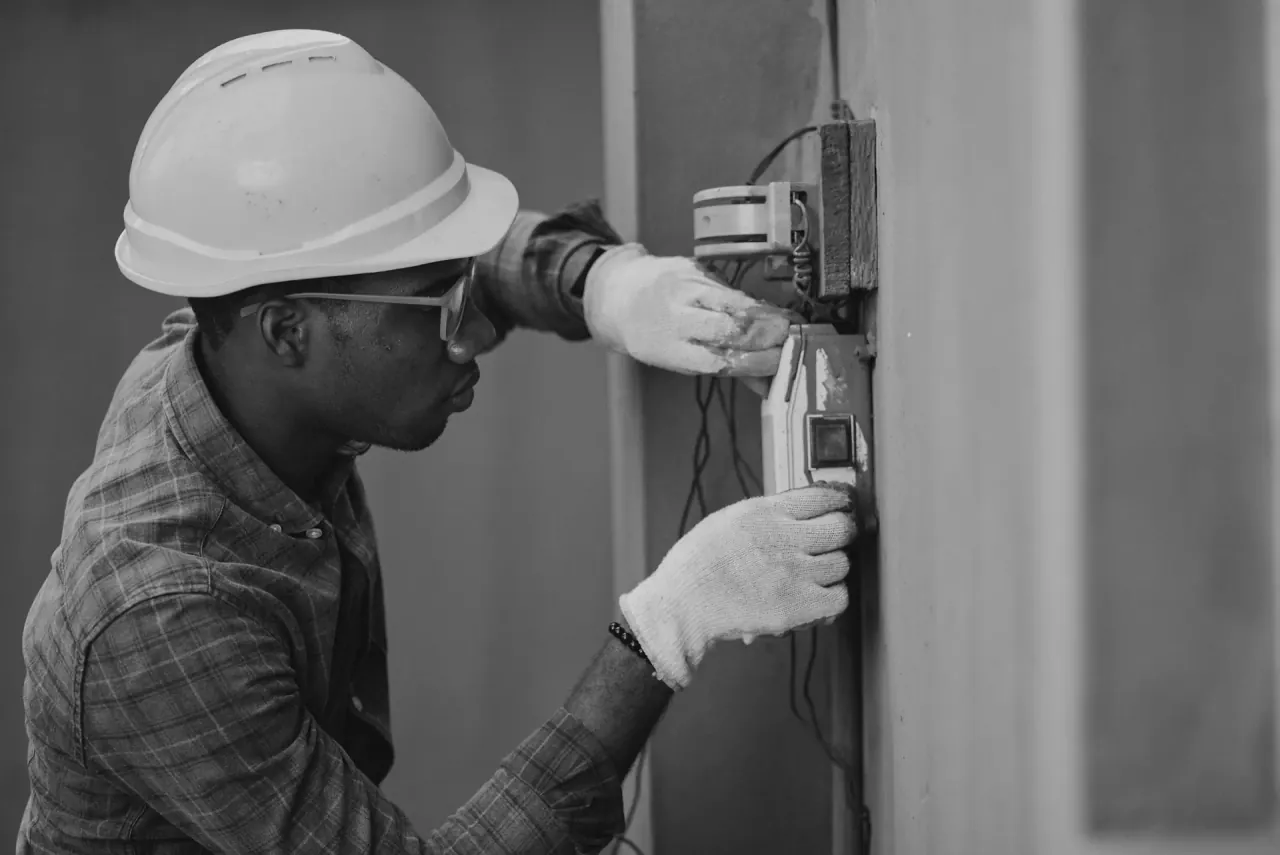
An electrician testing at a distribution board
The consequence There is no average firm So there is no standard fit
How each one is sold

One more account, or a system of your own.

Neither model is a secret. Knowing how each one is built explains what each one can do for you.

A standard subscription product

You are one more account

The product is one piece of software shared by every customer. Adding your firm costs the vendor almost nothing, which is why the model suits the vendor.

It is built for the average

Features are chosen for the largest number of customers. The forms, the approval routes and the reports are the vendor’s, and the firm fits itself around them.

Changes go on a roadmap

A request waits beside every other customer’s. Configuration goes as far as the product allows, and the gap beyond that is filled by a spreadsheet kept on the side.

The name on the phone is the vendor’s

Your operatives install the vendor’s app, and your clients receive paperwork shaped by the vendor’s template.

A truly bespoke system on Unibuild

The build starts from your process

Your forms, routes, wording, reports and rules are set up and extended until the system matches how you already work. Nothing is approximated.

It stands on a core proven since 2016

The general work of running a trade business is already built and in daily use. The effort goes into the part where your firm is different, so most firms are live in about two weeks.

You ask, we build, it is in the fee

A request goes by phone, or in your firm’s WhatsApp group with the Unibuild team, to the people who build it. It is proved on a copy of your own data, then released to your system. No day rate.

The name on everything is yours

Your app, your colours, your web address and your letterhead, and a name of your own for the system if you want one.

Bespoke, not white label

White label is a standard product with your logo on it. The screens, the forms, the roadmap and the limits still belong to the vendor. It looks like yours and works like everybody else’s.

Unibuild is bespoke business software for UK trades and specialist contractors: a platform in daily production since 2016, shaped to the way each firm already works. It is not a white-labelled product. The system is built around your firm, and anything you need that does not exist yet is built for you. The name on the app and the method inside it are both yours. How bespoke works on Unibuild.

The test takes one question. Ask who else uses the same forms, the same approval routes and the same reports. On a white-labelled product the answer is every customer. On Unibuild the answer is nobody.

Three things that get called bespoke

Renamed fields, a borrowed logo, or a system of your own.

The word covers three different arrangements. Ask which one is meant before accepting it.

A configurable product
Fields can be renamed and some steps switched on or off, within what the product allows. Every customer works the same screens, and the limits are the vendor’s.
A white-labelled product
The same product again, with your logo shown after sign-in and sometimes your colours. The store listing, the forms and the limits stay the vendor’s.
A truly bespoke system
Built around your process and extended whenever you need something new, with the general foundations already proven on a working platform, and published under your name. This is what Unibuild is.
The benefits, in full

What a system built for you gives back.

Each of these is a change on your records and your week, and each can be checked in the demo.

People use it,
because it is theirs

Adoption

A screen that uses your words, your pay types and your order of work gets filled in without a second thought. Training is shorter, because nobody is learning a stranger's process alongside the software.

  • Your wording on every screen
  • Your pay types and travel rules
  • Each role sees only its part
  • Nothing to translate
TrainingOn your own forms

No spreadsheet
kept on the side

Admin

Whatever a standard product does not cover ends up in a spreadsheet beside it, typed twice and reconciled on a Monday. Here it is built into your system, so each fact is entered once and read everywhere.

  • Specialist registers inside
  • No second copy to reconcile
  • Reports on your own figures
  • 58 document types on your letterhead
Re-keyingNone

Built for the work
only you do

Specialist

Every trade has work a general product never meets: the chlorination certificate, the fire door schedule, the calibration record. A module for it is specified with you, tested on a copy of your data and released to your system.

  • Scoped against your real jobs
  • Proved in a sandbox first
  • Released without disruption
  • Part of your system from then on
Changes after go-liveInside the fee

A system that
keeps improving

Over time

A request from the office or the site becomes a change, made by the people who built the platform, with no ticket queue in between. A standard product fits as well as it did on the day you bought it. Yours fits better every year.

  • Asked for by phone or WhatsApp
  • Built by the people who built it
  • New modules every month
  • Fit improves with use
Ticket queueNone

Your name on
everything

Brand

Your operatives install their employer's app and your clients deal with your firm throughout, from the quotation to the certificate. The software company stays out of the conversation.

  • App Store and Google Play, your name
  • Portal in your colours, at your web address
  • Posters and labels in your branding
  • Store publishing included
Store publishingIncluded

Your method
stays yours

Edge

On a shared product every firm in your trade works the same screens, including the ones you compete with. On a bespoke system the method you have refined over years is built in, and it is not on anybody else's menu.

  • Your pricing method
  • Your approval limits
  • Your client paperwork
  • Shared with nobody
Shared with other firmsNothing
What you get A system made for your firm Checked in a 30-minute demo
On terms a trade firm can sign

Bespoke, for one
monthly figure.

✓

Live in about two weeks

In phases, with a sandbox for training. Your programme is agreed after scoping.

✓

No setup fee

Configuration, training and data migration are inside the quoted figure.

✓

One figure, fixed for three years

Sized to your firm once. Users are unlimited, so taking on people changes nothing.

✓

Changes inside the fee

What you ask for after go-live is never invoiced as development.

✓

One core, kept current

Your system runs on the same platform as every other customer’s, so every improvement reaches you and nothing is left behind on a private copy.

✓

Your data leaves with you

CSV, XML, JSON and PDF at any time. A clean dataset within five working days of leaving.

What a client says

A completely bespoke system, in SME’s own words.

It has always been a pleasure to work with Darshan and his team to create our completely bespoke system, which I can only describe as brilliant.

The system is constantly growing and improving. Whenever we need something added or changed, whether it's a new form that would work better for us or a new idea to improve the way we work, Darshan works his magic and makes it happen!

It has genuinely changed the way we work for the better, improving our record-keeping, automating processes and standardising practices across the company, saving us both time and money.

It's also improved the service we provide to our clients, who love being able to view their job and asset information live, at the click of a button.

Thank you, Unibuild!
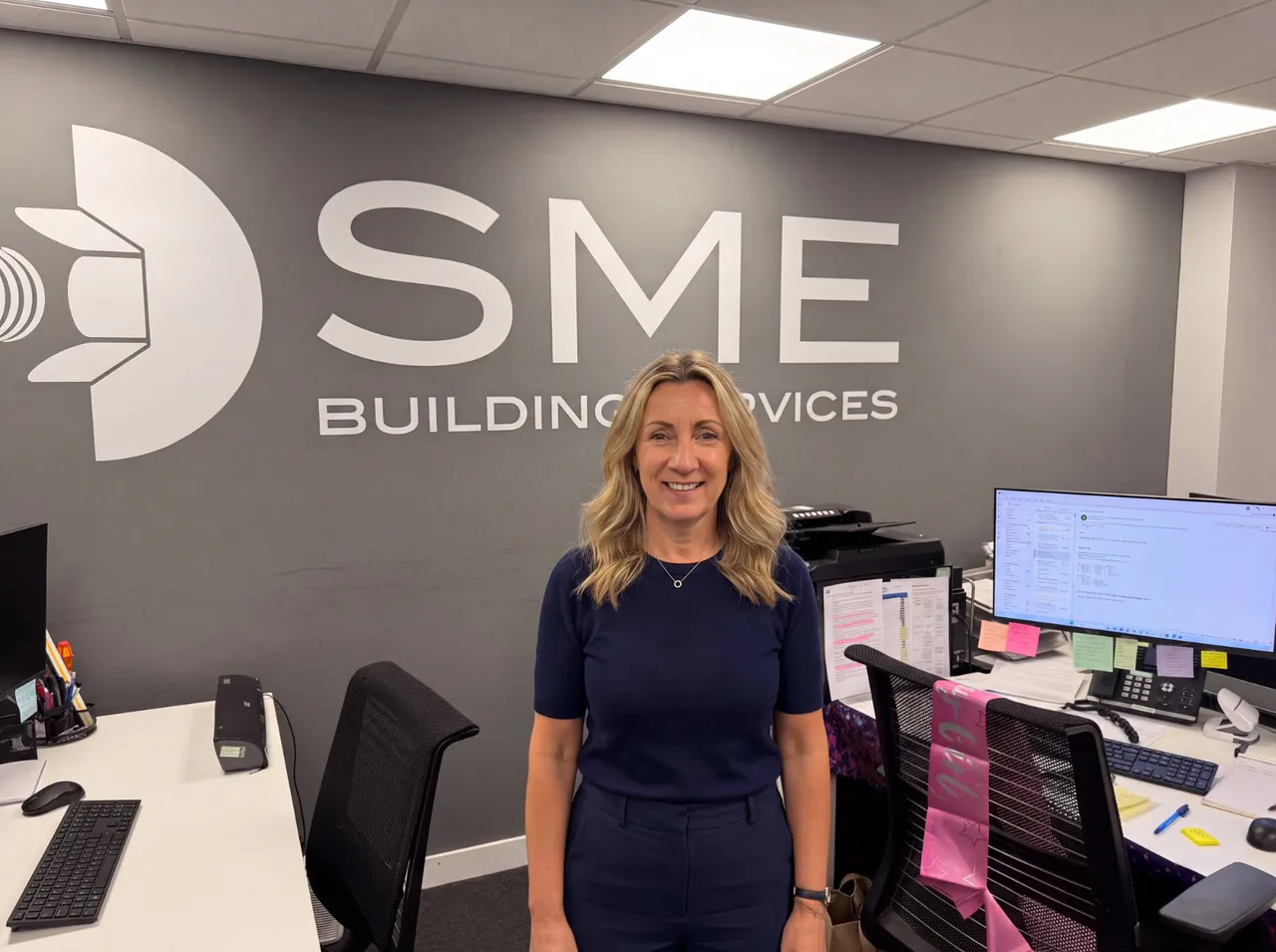
Niki Scarth, office administrator at SME Building Services, standing in the firm’s Croydon office with the SME Building Services mark on the wall behind her

Niki ScarthOffice administrator, SME Building Services LtdCroydon · on Unibuild since 2023

Read the SME case study
Questions

Why bespoke,
asked plainly.

What does truly bespoke mean on Unibuild?
It means the system is built around your firm rather than configured from a fixed menu. Your forms, approval routes, wording, reports and rules are set up and extended until they match how you already work. Anything you need that does not exist yet is built for you, and changes after go-live are inside the monthly fee. The staff app is published under your company’s name, and the portal carries your colours at your own web address. The system can carry a name of its own, as EMS Maestro and SME Smartsites do.
Is Unibuild a white-label product?
No. A white-labelled product is a vendor’s standard software with the customer’s logo shown on it, and every customer works the same screens within the same limits. Unibuild is built around each firm’s own process on a core in daily production since 2016. Two of the featured firms use modules the other has never switched on. The name on the app in the stores is yours, and so is the method inside it.
What is the difference between bespoke software and SaaS?
Software as a service, SaaS, is one product shared by every customer and sold as a subscription, with each firm added as one more account. Bespoke software is built for one firm. Unibuild is paid for as a monthly figure like a subscription, with no setup fee, but the system itself is built around your firm rather than shared. The general foundations are proven on a working platform, so the build starts from working software rather than an empty screen.
Why do trades need bespoke software more than other businesses?
Because the way a trade firm runs depends on its people, its specialist work and its clients, and all three vary from one firm to the next. Office size changes how approvals work. Qualifications change who may sign what. The work itself, from water hygiene to temporary power, brings forms and registers a general product never meets. A standard product is written for the average firm, and in the trades there is no average firm.
Is a bespoke system slower to go live than a standard product?
No. Most firms go live in about two weeks, in phases, with a sandbox for training. Your programme is agreed after scoping. The build starts from a platform that already runs trade businesses every working day. The first site runs on working software while the parts specific to your firm are added around it.
Is bespoke more expensive than a subscription?
Not in the way a system commissioned from scratch is. There is no setup fee and no development invoice. Unibuild is one flat monthly figure for the firm, quoted in writing and fixed for three years. It covers every module, unlimited users, your branded app and its store publishing, the subcontractor and client portals, training, migration, support and changes after go-live. Everyday AI is in the monthly fee. Heavier AI work is paid as used, at the AI provider’s own rate, with nothing added. How the fee is sized.
Can our system have its own name and our own branding?
Yes. Your staff app is published on the App Store and Google Play under your company’s own name and icon. The office portal carries your logo and colours at your own web address, and 58 document types go out on your letterhead. The system can carry a name of its own: EMS calls its system EMS Maestro and SME Building Services calls its SME Smartsites. How the branded app works.
We do specialist work that no product covers. What happens?
It is built for you. A register, a module, an integration or a document your work needs is specified with the person who will use it, against your own jobs. It is tested on a sandbox copy of your data and released to your system. From then on it is part of your system, maintained with everything else, and changes to it are inside the fee.
What happens when we want something changed after go-live?
You ask the people who built it, by phone or in the WhatsApp group every customer has with the Unibuild team, and it is built. There is no ticket queue and no day rate. The change is proved on a copy of your own data before it reaches a live record. On the phones a new module is offered only to handsets that support it. How a change is made.
If our system is different, do we miss out on updates?
No. Your system runs on the same platform as every other customer’s, with your own shape built on top. New modules and features ship every month and reach you with everything else. Nothing is left behind on a private copy of the code, which is what separates this from a system commissioned from scratch.
Do we need our own developers or IT staff?
No. Unibuild builds, hosts, publishes and supports the system, including the store submissions for your app. Your part is deciding how you want things to work and telling us when something should change. Support is a UK phone line, an inbox and a WhatsApp group for your firm, answered by the people who built the platform.
Will our operatives use a bespoke system?
Yes. The app carries your company’s name, clocking in is a scan of a poster at the gate, and it works on sites with no signal. The screens use your words and your order of work, so nobody is learning a stranger’s process. The firms on it run the whole site day through the app: clock-ins, day work sheets, RAMS signed on the phone and purchase requests.
Is Unibuild only for construction?
No. Construction is one of more than thirty trades it serves, alongside electrical, mechanical, roofing, scaffolding, groundworks, glazing, facilities maintenance, fire and security, plant hire and builders merchants. Each firm’s system is built in its own shape, which is why the same platform suits a temporary site services contractor and a builders merchant.
Next step

See a system built around the way your firm works.

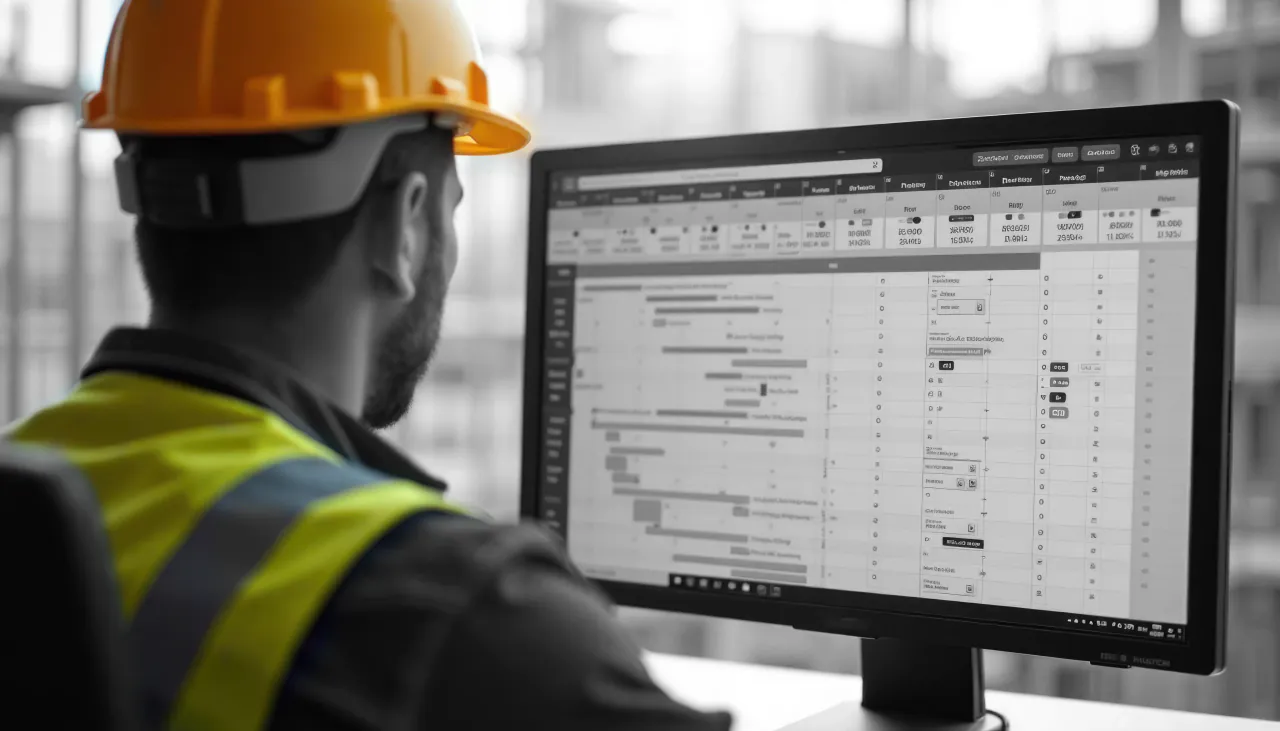
An operative viewing a programme on a screen
The offer Truly bespoke, in your name 14-day trial, no card